

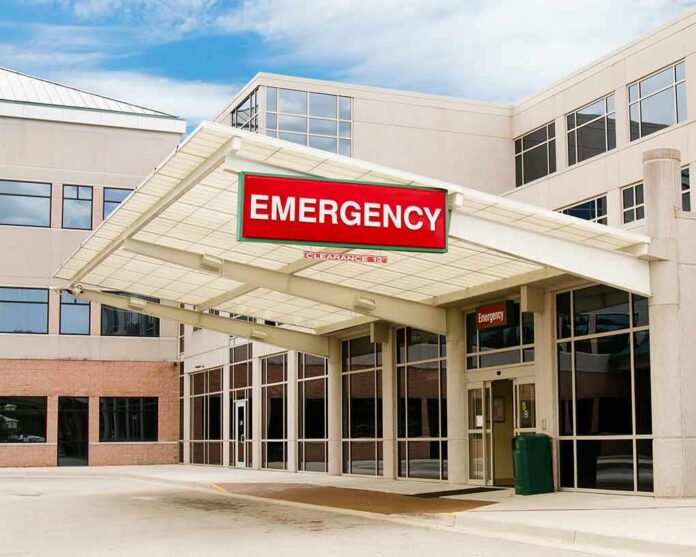
Miami-Dade Fire Rescue declared a mass-casualty incident after 18 employees fell ill at a Thanksgiving luncheon in Doral, sending 15 to hospitals, with no patients affected.
Story Snapshot
- 18 staff members fell ill at Leon Medical Centers’ Doral headquarters; 15 went to hospitals.
- Leon says an outside caterer provided the meal; the exact cause has not been confirmed.
- Officials treated it as a mass-casualty event to manage simultaneous patients, not because of deaths.
- Reports say patients of the medical company were not affected; illness was limited to staff.
What Happened At The Doral Headquarters
Miami-Dade Fire Rescue responded Wednesday afternoon to Leon Medical Centers’ Doral headquarters after a Thanksgiving luncheon led to sudden gastrointestinal illness among staff. Officials reported 18 people became sick, and 15 were transported to area hospitals for evaluation and treatment. News outlets described the response as a mass-casualty incident, which refers to the number of patients arriving at once, not to fatalities. Reports consistently state the episode was confined to employees at the headquarters.
Leon Medical Centers said it hired an external caterer to provide the luncheon at 8600 Northwest 41st Street. The company said some staff developed gastrointestinal symptoms shortly after the meal and needed care. The identity of the caterer was not disclosed in the available reporting. No source named a specific food item or pathogen. Authorities did not announce a final diagnosis in the immediate aftermath of the incident.
Why Officials Use “Mass-Casualty” For Clusters
Emergency teams use the term “mass-casualty incident” when the number of patients strains local response systems. The label guides triage, transport, and hospital coordination. Federal guidance defines a mass-casualty incident as an event that challenges or overwhelms available healthcare resources. That can include many people with similar symptoms at the same time, like a suspected food-related outbreak, even if injuries are not severe or life-threatening.
Public health agencies track suspected foodborne outbreaks using clear steps. The Centers for Disease Control and Prevention says an outbreak can begin with two or more people who get sick after a common food exposure, followed by lab or epidemiological work to find a cause. Many outbreaks never reach a confirmed cause. From 2009 to 2018, only about half of recorded outbreaks had a confirmed single cause, showing how often investigations end without a final lab answer.
What We Know—and What Is Still Being Checked
Across reports, the core facts match: 18 employees became ill at the Doral site; 15 went to hospitals; patients of the medical company were not affected; and an outside caterer served the meal. Miami-Dade Fire Rescue treated the scene as a mass-casualty incident to manage the number of people needing care at once. Leon’s statement focused on symptoms and treatment and did not cite a specific diagnosis or source food.
15 of 18 people were taken to hospitals after a possible food-poisoning incident at Leon Medical Center’s headquarters in Doral, Florida, on Wednesday afternoon, Miami-Dade Fire Rescue said.
The response at 8600 NW 41st Street was upgraded to a Level 3 Mass Casualty Incident… pic.twitter.com/fR5uJuOEkb
— World Conflict Live 24/7 (@WCLNews247) November 28, 2026
The cause has not been named in public reports. Officials have not released lab results, a menu, or a caterer name, and outlets did not publish a health department conclusion. That is common in early outbreak response, when the priority is stabilizing patients and starting case interviews and testing. If agencies later identify a source, they typically share findings with affected parties and may issue public guidance when risk extends beyond the initial group.
Why This Matters To Everyday Readers
Shared meals are a normal part of work life, yet basic safeguards still hinge on careful sourcing, clean kitchens, proper temperatures, and quick reporting when people get sick. This event shows how fast a routine lunch can turn into an emergency and test local response systems. It also shows why clear, timely facts matter. When companies and agencies share what they know, people can judge risk, hold vendors accountable, and prevent repeat mistakes.
Sources:
redstate.com, nbcmiami.com, verilumia.com, newsweek.com, wsvn.com, health.maryland.gov, sandiegocounty.gov