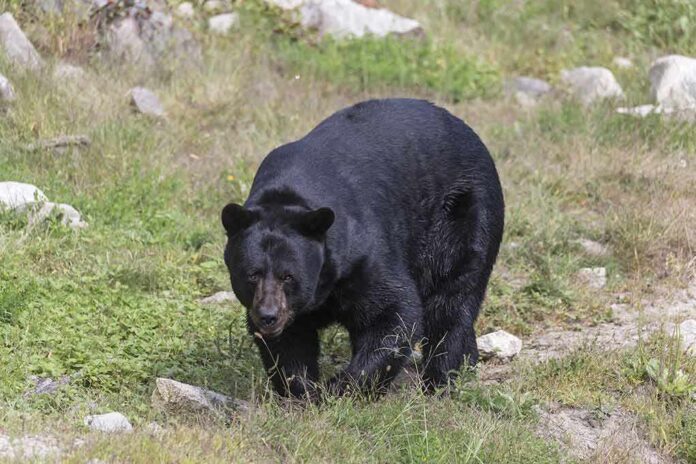
A small French bulldog named Cassie charged a black bear and saved her owners, then died from her wounds, after a violent backyard attack in rural Northern California.
Story Snapshot
- Jeff and Mallory Wilson were injured in a bear attack at their Trinity County home.
- Their French bulldog, Cassie, intervened during the attack and later died from injuries.
- Friends and local reports detailed broken ribs and serious bite and claw wounds.
- California officials say bear attacks that injure people are rare but encounters are rising.
What Happened in Trinity County
San Francisco Chronicle reporting identified the couple as Jeff and Mallory Wilson, who own a small retreat in Trinity County. Early Saturday, a black bear attacked them in their yard, according to friends who spoke with reporters. The couple suffered serious injuries. Their dog, Cassie, tried to stop the bear and later died from her injuries. The reports describe a chaotic, fast strike steps from the Wilsons’ home in rural Northern California.
Additional local coverage said the attack left Jeff with broken ribs and both with deep bite and claw wounds. A survivor account shared with Bay Area television described severe cuts and trauma that required urgent care. The family rushed Cassie to an emergency veterinarian the same night. Despite surgery, the dog did not survive. The details present a brief, violent encounter where seconds mattered and a small dog’s actions helped the couple survive.
Why This Case Stands Out
People magazine reported that Cassie’s actions helped save the Wilsons’ lives, underscoring how pets often place themselves between danger and their families. This attack also happened at a home, not on a trail or in a campsite. That setting increases the shock for many readers. Home should be a safe place. When wildlife crosses that line, it feels like the system is not working to keep basic order close to where we sleep.
Many Americans on both the left and right see stories like this as another sign that public safety feels fragile. Rural communities often say they wait longer for help and face more risk from wildlife. Urban and suburban areas face property crime and rising costs. Different issues, same worry. People believe they are on their own. They also see rules and agencies that seem slow to act when danger grows near their doorsteps.
Bear Encounters Are Up, But Injuries Remain Rare
California’s wildlife guidance says black bear encounters that injure people are rare. The guidance also says most black bear attacks are defensive. Bears may react if startled, or if food habits make them bold near homes. Officials advise people to fight back if a black bear makes contact. That advice reflects how these animals test boundaries when they link people with easy meals like trash or pet food.
State planning documents show a long rise in human and black bear conflicts as towns push deeper into wild areas. From 2017 to 2023, the state logged thousands of reports tied to people and bears. Those include property damage, pet harm, and other conflicts. More overlap means more chances for a bad day, even if true attacks remain unusual. The Trinity County case fits that wider pattern of more contact near homes.
Safety Steps That Help at Home
Officials recommend simple steps that cut risk. Secure trash in bear-resistant cans. Feed pets indoors and store all food tightly. Clean grills and pick up fallen fruit. Turn on outdoor lights before letting dogs out at night. Make noise as you walk outside in the dark to avoid surprise. Carry an air horn or bear spray where allowed. If a black bear makes contact, experts say fight back with whatever is at hand to drive it off.
Neighbors and small towns often step up when danger feels close. Simple networks can help: shared alerts in a group text, motion cameras that ping a few homes, and a plan to call local wildlife officers fast. These low-cost steps give people time to react. They also remind local leaders that public safety includes wildlife risks, not just crime. When systems lag, communities fill the gap together.
Big Picture: Trust, Safety, and Daily Life
Stories like the Wilsons’ hit a nerve because they touch daily life. People want safe homes, fair rules, and quick help when things go wrong. Many feel that the system favors the well-connected and leaves regular families to fend for themselves. Whether the issue is crime, costs, or wildlife, the theme is the same. Leaders should fix basics fast. Until then, families will plan, prepare, and protect each other, like the Wilsons and their brave dog did.
Sources:
yahoo.com, nypost.com, people.com, activenorcal.com