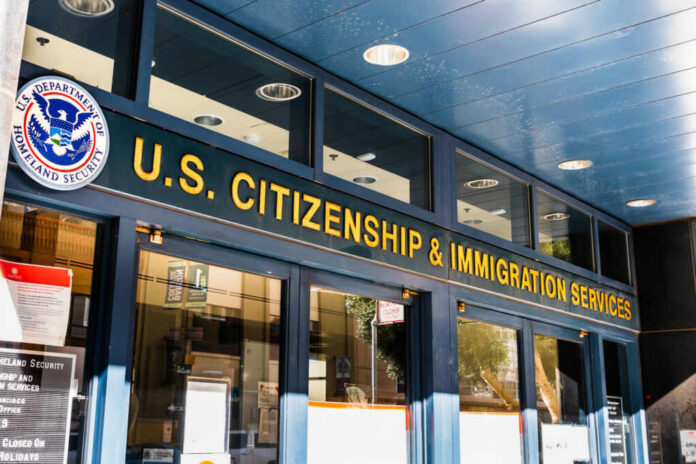
A new Trump-era Department of Homeland Security proposal could finally stop green card seekers from treating Medicaid, food stamps, and housing aid as a long-term taxpayer-funded lifestyle.
Story Snapshot
- DHS has proposed rolling back Biden’s narrow “public charge” rule and restoring broader self-sufficiency standards.
- Use of programs like Medicaid, food stamps, and housing assistance could again weigh against green card approval.
- The plan leans on long-standing law that bars immigrants “likely to become a public charge.”
- Liberal advocacy groups warn of “chilling effects” and are already gearing up court challenges.
Trump DHS Moves to Restore Real Self-Sufficiency Tests
The Department of Homeland Security under President Trump has unveiled a proposed rule that would make it easier for immigration officers to deny green cards to applicants who rely on public assistance programs like Medicaid and food stamps. This proposal directly rolls back the Biden-era “public charge” regulations, which limited denials mostly to immigrants judged “primarily dependent” on cash welfare or long-term government-funded institutional care. The new plan gives officers broader room to weigh a person’s actual use of a wider set of taxpayer-backed benefits in deciding whether that person is truly ready to support themselves and their family without long-term government help.
Under the Trump proposal, immigrants who tap into safety net programs such as the Supplemental Nutrition Assistance Program, commonly known as food stamps, or non-emergency Medicaid could find those choices counted against them when they apply for permanent residency. That marks a clear departure from the Biden rule, which echoed older 1999 guidance and said agencies should mostly ignore non-cash benefits in public charge decisions. Trump officials argue that focusing only on cash payments hides the real picture of dependence, because health, nutrition, and housing programs still represent ongoing costs for taxpayers and can signal that an applicant is not truly self-sufficient.
How Public Charge Rules Shape Green Card Decisions
Federal immigration law has for decades said that any foreign national deemed “likely at any time to become a public charge” can be denied a visa or admission to the United States. For many years, officials mostly applied that standard to direct cash aid and long-term government-paid institutional care, like nursing home stays. That changed in 2019, when the first Trump administration issued a rule that broadened “public benefits” to include food stamps, most forms of Medicaid, and major housing programs such as Housing Choice Vouchers and Section 8 rental assistance. Under that framework, using any mix of these benefits for 12 months in a 36‑month window became a heavily negative factor.
The Biden administration quickly moved to tear down that broader rule, and federal courts later vacated it nationwide, returning agencies to a much narrower reading of public charge. In practice, this meant that many kinds of aid, including health coverage and housing support, were treated as if they did not reflect dependence at all. Immigration officers had less ability to connect extensive benefit use with long-term self-sufficiency questions. Trump’s new proposal does not simply copy the 2019 standard word for word, but it does revive the basic idea that real-world use of Medicaid, food stamps, and housing assistance belongs in the green card review process, not outside of it.
Advocates Warn of ‘Chilling Effects’ as Courts Loom Again
Liberal think tanks and immigrant advocacy organizations are already sounding alarms, claiming the Trump DHS proposal will scare immigrant families away from enrolling in Medicaid and the Children’s Health Insurance Program out of fear it could hurt their status. Georgetown University’s Center for Children and Families warns that similar public charge policies could cause over ten percent of eligible immigrants and their family members to drop coverage, and argues the change will have “far-reaching consequences for children, pregnant women and families” while sowing “fear in immigrant communities.” These groups frame the rule as an attack on access to care, rather than a push for basic self-reliance.
BREAKING NEWS WASHINGTON— The Department of Homeland Security (DHS) has issued a final rule rescinding the 2022 Biden-era regulation regarding public charge determinations, further aligning immigration law with Congressional intent that aliens in the United States be self-reliant…
— UScitizenshipTest (@USAcitizenship) July 16, 2026
The same activist networks, along with organizations like the American Immigration Lawyers Association, opposed Trump’s 2019 rule and helped drive a wave of lawsuits that led to nationwide injunctions. They now point to the new proposal’s removal of detailed regulatory definitions of “public charge” and “public benefits” and warn that it returns officers to a pre‑1999 world, where older Board of Immigration Appeals decisions and case-by-case discretion carry more weight. That means fresh court fights are almost certain. Federal judges blocked the last Trump rule for long periods; this time, however, the administration can lean on those past battles to refine the legal footing and defend the core principle that green cards should not go to people who plan on years of taxpayer support.
Sources:
cbsnews.com, aila.org, abcnews.com, kff.org, cnn.com, essentialhospitals.org