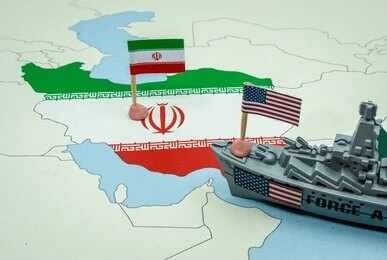
A secretive Iran “peace” framework that may hand Tehran massive upfront rewards while leaving vital security questions murky has even Republican senators asking: what on earth is going on?
Story Snapshot
- Trump says the Iran deal is not fully negotiated, yet key details are already raising alarms in Congress.
- Reports say the framework could reopen the Strait of Hormuz and ease sanctions before nuclear issues are nailed down.
- Republican senators warn Iran could gain money and leverage now while only promising to “talk later” about nukes.
- Iranian officials signal deep distrust and hint they will not truly change their behavior, even under a deal.
Republican Skepticism Shows This Is Not A Normal Peace Deal
Senate Republicans are not lining up to cheer this reported Iran framework; they are sounding the alarm.[18] They say the concept, as leaked, could end the war, reopen the Strait of Hormuz, and see Iran give up its stockpile of highly enriched uranium, but only while major issues get pushed into a vague 30-to-60 day “later” phase.[18] One Republican senator warned a 60‑day ceasefire that assumes Iran will act in good faith “would be a catastrophe,” because Tehran’s record shows it cheats when pressure eases.[18]
Other Republicans describe the outline they have heard as a “very general document” with “so many unanswered questions about the detail.”[21] They stress that lawmakers have not seen an actual text, only brief descriptions from media and officials.[21] That secrecy worries them because they remember the last big Iran bargain, the 2015 nuclear deal, which gave sanctions relief upfront while Iran’s long‑term nuclear and missile behavior remained disputed for years afterward.[2]
What The Reported Framework Would Give Iran Up Front
Leaked accounts say the draft framework would reopen the vital Strait of Hormuz to shipping, end the fighting, and have Iran hand over its current cache of highly enriched uranium.[17][18] But nuclear talks about what comes next would be kicked into a later negotiation window instead of locked in now.[18] Other reports say sanctions on Iranian oil exports would be lifted right away and that at least $300 billion in “reconstruction” financing for Iran is on the table, though not from United States taxpayers directly.[7][23]
Critics on the right argue that structure feels backward: Iran gets cash, oil sales, and a reopened waterway first, while America and its allies get only promises of future talks about nukes, missiles, and the terror network.[19][20] According to national security reporting, even the Central Intelligence Agency (CIA) director has privately warned that intelligence raises “serious doubts” about Iran’s willingness to make the nuclear concessions Washington is seeking.[20] If that warning is accurate, lifting sanctions and pressure early looks less like leverage and more like surrender of hard‑won gains.[20]
Trump’s Defense: ‘Not Even Fully Negotiated Yet’
President Trump insists critics are jumping the gun and do not know what they are talking about.[17][18] On his social media platform, he said the agreement “isn’t even fully negotiated yet” and urged Americans not to “listen to the losers” attacking a deal that is still being worked out.[17][18] He has promised that any final arrangement will be the “opposite” of the Obama‑era nuclear pact and has vowed that United States military pressure on Iran will stay “in full force” until something is signed and certified.[18]
Supporters of this diplomatic push stress that the current text is more like a framework than a full treaty.[1][17] They note it sets up a ceasefire and a defined window for follow‑on negotiations instead of giving Iran a permanent free pass.[17][18] White House allies say United States officials also received an Iranian counterproposal and saw it as at least a “workable basis” for real talks, not a take‑it‑or‑leave‑it surrender.[6] In their view, diplomacy must be tested before more war, and critical voices should wait for the actual document.
Iran’s Signals Of Distrust And The Hidden Risks For U.S. Leverage
Reports from regional outlets say Iranian officials are telling mediators they “will not be fooled again” and no longer trust Washington’s promises after past attacks and walk‑backs during talks.[7][8] One account says Tehran received a 15‑point United States proposal via third parties and discussed a follow‑up meeting in Pakistan, but there is still “no final agreement” even on the next round of negotiations.[8] That means both sides are operating through leaks and hints, not clear public commitments either country can be held to.
For conservatives who care about constitutional checks, this secrecy is a red flag. There is no public treaty text, no Senate ratification process, and no clear breakdown of what sanctions or frozen assets would be released on which dates.[7][8][23] If major changes to sanctions and shipping rules are done with quiet executive actions and waivers, Congress and the American people could wake up to a new reality in the Gulf that they never debated. That kind of end‑run around transparency helped doom earlier Iran deals in the court of public opinion.
Sources:
[1] Web – “What an embarrassment.”
[2] Web – GOP senators criticize Trump’s potential peace deal with Iran – WLOS
[6] Web – GOP senators criticize Trump’s potential peace deal with Iran – WCTI
[7] Web – First Thing: US and Iran inch closer to peace deal as Trump faces …
[8] Web – ‘We won’t be fooled again’: Why Iran thinks Trump’s peace pitch …
[17] Web – GOP senators push Trump toward action on Iran as Democrats warn …
[18] Web – GOP senators criticize Trump’s potential peace deal with Iran
[19] Web – Trump’s emerging Iran deal draws some Republican criticism
[20] YouTube – GOP Civil War Erupts As Trump’s Iran Deal Draws Obama Nuclear …
[21] Web – Trump’s Iran deal draws backlash from Republicans | Fox News
[23] Web – Donald Trump defends potential Iran deal, rips GOP critics – The Hill