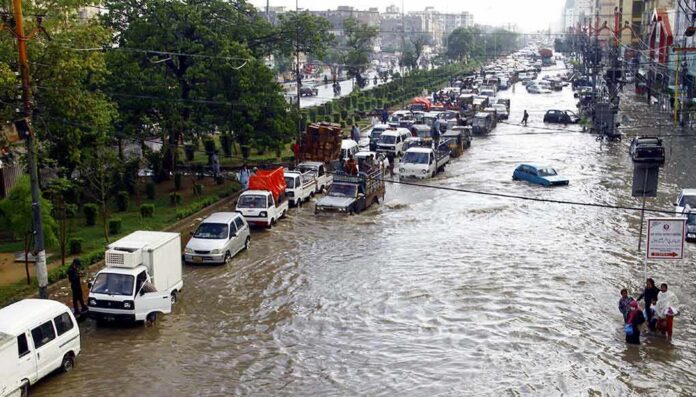
Emergency declarations up and down the coast signaled a rare fall nor’easter strong enough to flood shore towns, cut power, and snarl travel for millions.
Story Highlights
- New York and New Jersey declared states of emergency as the storm hit.
- Forecasts warned of coastal flooding, dangerous surf, and strong winds from the Mid-Atlantic to New England.
- Roads in New Jersey shore towns flooded as tides and rain stacked together.
- Utilities and travel faced outages and waivers as conditions worsened.
Governors Move Early as Coastal Impacts Mount
New York Governor Kathy Hochul declared a state of emergency for New York City, Long Island, and Westchester as the nor’easter drove strong winds and heavy rain into the region. New Jersey leaders also issued emergency orders for multiple counties expected to take the worst of the coastal flooding and surf. Officials urged people to avoid nonessential travel through the weekend and to keep away from beaches and sea walls as waves and tides ran high.
National forecasts called for widespread coastal flood warnings and advisories from the North Carolina coast into New Jersey and New England. Meteorologists warned that tides could run one to three feet above normal in some zones, with large waves and dangerous rip currents along exposed beaches. Those alerts captured the main threats: water piling into bays and inlets, beach erosion from repeated wave battering, and wind gusts strong enough to down limbs and power lines.
Local Flooding, Erosion, and Power Losses
New Jersey shore communities reported water over roadways as high tide met steady wind-driven rain. Streets in places like Sea Bright and other barrier island towns saw lanes submerged, while police warned drivers to turn around at flooded spots. Reporters on scene also described beach erosion in several towns as the surf chewed away at dunes and pushed sand onto access roads, complicating local movement and early cleanup.
Outages rose as trees and saturated soil made power lines more vulnerable. Tens of thousands of customers lost electricity as the storm’s core moved north, and utilities staged crews for rotating repairs between wind gusts. Airlines and rail operators prepared for weather impacts, with fee waivers and schedule changes set to help travelers rebook as needed. Officials said restoration and travel normalcy would track the storm’s gradual exit and falling tides.
Why Forecast-Led Actions Matter for Coastal Towns
Emergency managers acted on clear signals: onshore winds, multiple tidal cycles, and long-duration surf. That pattern often brings the worst coastal flooding even without record rain totals. Declaring emergencies lets states pre-position equipment, restrict risky travel, and speed aid to towns that flood first and drain last. For residents and small businesses on thin margins, each hour saved on road access and power restoration can mean less spoilage, less damage, and a faster path back to work.
2 AM Top-of-the-Hour News
Flooded streets. Downed trees and power lines. 150 thousand in the dark from Pennsylvania to Rhode Island. Hundreds of flights cancelled. Thousands more delayed. A powerful Nor-Easter slamming coastal areas from New Jersey to New England. New York… pic.twitter.com/yQGGcdEImV
— Worldwide News Network (@WorldwideNNX) September 27, 2026
The response also follows a common gap in storm reporting. Forecasts and live images arrive fast, while formal damage counts come later. Federal ocean and weather teams start aerial surveys and data checks only after winds ease and skies clear. That lag can frustrate people across the political spectrum who want straight answers now. But the early calls here were rooted in clear coastal risk signals, not hype, and likely prevented worse outcomes along the most exposed shorelines.
Sources:
dhses.ny.gov, abcnews.com, disastercenter.com, drought.gov