

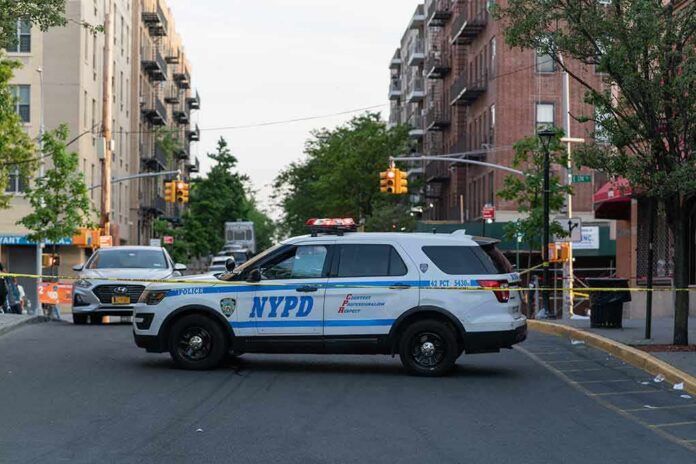
Police say a Bronx mother was pushed 15 stories while holding her baby, and a suspect now faces murder and assault charges.
Story Highlights
- NYPD arrested Angel Carrasco, 31, on murder and related charges after a 15-story fall killed Nathaly Ramirez and injured her infant.
- Reports say Ramirez was holding her 8-month-old when both went over the balcony; the baby survived with critical injuries.
- Investigators describe the case as tied to intimate partner violence; outlets identified Carrasco as an ex-boyfriend.
- A neighbor reported a plea heard before the fall, adding urgency to the assault allegation.
Arrest and Charges Following Fatal Bronx Balcony Fall
New York City police arrested 31-year-old Angel Carrasco after a 15-story fall killed 23-year-old Nathaly Ramirez and injured her 8-month-old daughter. Police and multiple outlets report Carrasco faces counts including murder, attempted murder, manslaughter, attempted manslaughter, and assault. Officials say the fall happened at a Bronx high-rise on the city’s northeast side. The baby survived with critical injuries after the plunge. The charges are accusations and will be tested in court.
Police say their early work pointed to an intentional push, not an accident. Responding officers found injuries consistent with a fall. After they reviewed the scene and witness input, detectives alleged that both mother and child went over the balcony at the same time, with Ramirez holding the infant. Multiple reports state that New York City police believe Ramirez was pushed while she held her daughter, which shaped the choice of charges they filed.
Investigative Details Tied to Domestic Violence
Local reporting identified Carrasco as Ramirez’s ex-boyfriend and described the case as domestic-violence-related. Investigators told reporters that a prior domestic arrest involving Carrasco occurred months earlier. That history, paired with the scene evidence, led police to treat the event as intimate partner violence. In one account, investigators also suggested Ramirez’s body might have shielded the child on impact, which could explain the infant’s survival despite the height.
Neighbors told a magazine outlet they heard a plea before the fall. One witness reported hearing words like “My baby is scared,” moments before the pair went over the balcony. The account matches the timeline of the incident and supports an assault scenario rather than an unexplained fall. While the legal process will determine guilt, the witness description aligns with investigators’ public narrative at this stage of the case.
A Community in Grief and the Bigger Safety Picture
Friends, neighbors, and family gathered for a vigil to honor Ramirez and to pray for the infant. The scene underscored how quickly violence can shatter a home and a block. People on the left and right often disagree on policy, but they share a fear that the system reacts after harm, not before. Families see police show up fast after tragedy, yet feel alone when they ask for early help or protection from a violent partner.
Public health data place this case within a broader pattern. Federal researchers report that a large share of homicides of women with known details involve a current or former intimate partner. That risk holds across many groups, including Hispanic and Latino communities. These base rates do not decide this case, but they explain why police focus quickly on partners or ex-partners when a woman is killed in the home or near it.
Policy Gaps That Leave Families Exposed
City and state leaders have pushed new laws, hotlines, and shelter beds for years. Yet families still fall through the cracks. Many survivors fear calling the police because of money, housing, or immigration concerns. Others face long waits for protective orders and spotty follow-up. Conservatives argue the state fails at basic safety and swift justice. Liberals argue support systems are underfunded and uneven. Both sides see a government that talks tough but struggles to prevent the next call.
What Comes Next in the Case
Prosecutors will present evidence to support the charges against Carrasco. Defense lawyers will challenge the state’s account. The court will weigh witness statements, scene work, medical findings, and any video or digital records. For the neighborhood, the next steps are more basic: care for the surviving child and support the family left behind. For the city and the country, the question is whether leaders can turn grief into real prevention, not just another press event.
Sources:
nypost.com, nbcnews.com, nbcnewyork.com, bronx.news12.com