

A Nevada judge sentenced Duane “Keffe D” Davis for Tupac Shakur’s 1996 murder, closing a 30-year case built largely on Davis’s own words.
Story Snapshot
- A Clark County jury found Davis guilty of first-degree murder with a deadly weapon on August 31, 2026.
- The state relied on Davis’s memoir, recorded interviews, and police statements as key evidence.
- No murder weapon, getaway car, DNA, or shooting video was presented at trial.
- Prosecutors argued a planned retaliation after a casino fight tied to rival gangs.
What The Court Decided And Why It Matters
A Clark County jury convicted Duane “Keffe D” Davis of first-degree murder with use of a deadly weapon after a nine-day trial and about three hours of deliberation. The verdict rested on accomplice liability, not a claim that Davis pulled the trigger. Prosecutors said he directed or approved the attack that killed Tupac Shakur and wounded Marion “Suge” Knight in Las Vegas in 1996. The judge proceeded to sentencing today, moving this long-stalled case into its final chapter.
Prosecutors built much of their case from Davis’s own accounts. The jury heard recordings from police interviews and public appearances where Davis placed himself in the white Cadillac and described the events around the shooting. The judge allowed his 2008 police interview and his memoir into evidence over defense objections. The state said these statements showed planning and control. The defense said Davis lied to make money and gain attention.
Evidence Gaps And The Risks Of A Late Case
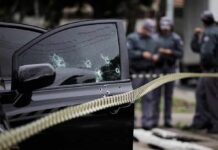
The case lacked direct forensic proof. Police never produced the murder weapon or the Cadillac used in the drive-by. Investigators did not present DNA, fingerprints, or surveillance video of the shooting itself. A former detective also described limits in corroborating parts of Davis’s story during the investigation. These gaps made the state’s narrative depend on Davis’s words, eyewitness accounts about the scene, and expert testimony on gang structure and command.
Jurors heard from multiple witnesses who placed Shakur’s BMW and the attacking car near Flamingo Road and Koval Lane that night. A former Compton officer testified that Davis held rank in the South Side Compton Crips and acted as a “shot caller,” meaning younger members would not open fire in his presence without approval. Prosecutors argued the group searched for Shakur after a casino brawl, then made a U-turn, pulled alongside, and opened fire in retaliation.
Why Both Sides Of America Are Watching
Many Americans see a system that solves little and acts late. This case took three decades to reach a verdict. Time hurt physical evidence and thinned witness memory. That adds to public doubts about whether courts can deliver truth and justice in famous cases. Prosecutors counter that juries can convict on strong circumstantial evidence, and that Davis’s own statements were clear and detailed about his role.
For victims’ families, the ruling brings a measure of finality. For skeptics, the use of memoirs and old interviews will raise questions about reliability and motive, especially when money and fame are in play. The defense says Davis is innocent and plans to appeal, focusing on whether his statements should have been used and whether the law was applied correctly. Appeals could keep this case in the headlines for months.
How The Law Reached A Non-Shooter
Nevada law allows a murder conviction if a person plans, helps, or directs a killing, even if someone else fires the shots. Prosecutors said Davis acted as the on-site commander who greenlit the attack. The jury’s first-degree finding and deadly-weapon enhancement show it accepted that view based on the timeline, witness accounts, and Davis’s own descriptions. The absence of direct forensic proof did not stop that legal path to guilt.
The larger lesson is sobering. America’s most watched cases often reflect deeper system flaws: slow investigations, poor evidence storage, and witness fear. Those gaps leave courts to lean on statements and inferences. That can be enough under the law, but it can also erode public trust across party lines. This verdict closes a chapter in a tragic story. The next chapter will test whether the appeals courts agree with how the trial used Davis’s words to decide his fate.
Sources:
youtube.com, usnews.com, bostonglobe.com, cnn.com, bbc.com