A checkpoint car-ramming in the West Bank left Israel’s U.S. ambassador’s son fighting for his life, underscoring how fast frontline violence can ripple into global diplomacy.
Story Snapshot
- Israeli officials said a driver rammed a checkpoint in the central West Bank, injuring Neria (also spelled Neriya) Leiter.
- Ambassador Yechiel Leiter said medics were trying to save his son’s life after emergency surgery.
- Israeli forces shot and killed the suspected attacker at the scene, according to multiple outlets.
- Hospital staff in Jerusalem treated Leiter for critical injuries, reports said.
What Happened at the Checkpoint
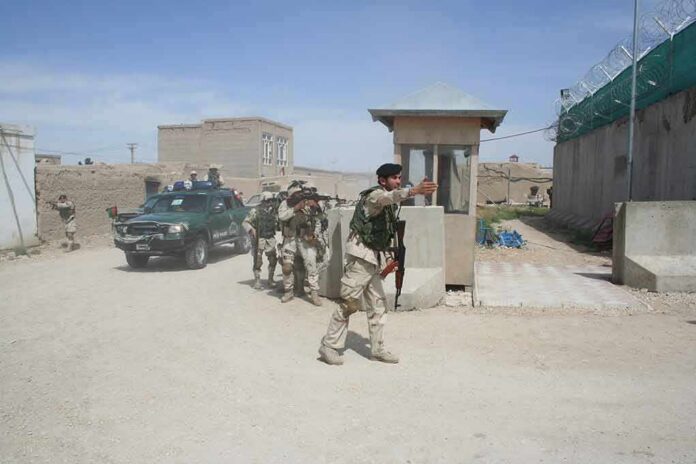
Israeli military officials said a car rammed a checkpoint in the central West Bank on September 23, injuring a soldier later identified as the son of Israel’s ambassador to the United States. Reports placed the incident in the Binyamin Brigade area, with some naming the Maccabim checkpoint on Route 443 near Beit Horon. Security forces shot and killed the driver soon after the crash, according to several outlets that cited official statements from the scene.
Emergency teams moved the injured soldier, identified in reports as Neria or Neriya Leiter, to Shaare Zedek Medical Center in Jerusalem for trauma care. Journalists with access to hospital sources described his condition as critical, with advanced life support underway. Ambassador Yechiel Leiter publicly asked for prayers, saying medics were fighting to save his son’s life and that he “needs a miracle,” language quoted across multiple outlets that tracked his statement.
Who Was Involved and Why It Resonates
Media reports identified the victim as a reserve soldier manning the checkpoint at the time of the attack, a role that places young Israelis at frequent risk in high-friction zones. The attacker’s identity appeared in some accounts, but the diverse spellings of names and shifting early details led outlets to focus on the verified core: a ramming, a critically injured soldier, and a fatal response from security forces. The family tie to a senior diplomat turned a local strike into a diplomatic shock with wide attention.
Checkpoints in the West Bank are flashpoints where soldiers, drivers, and civilians meet under pressure and strict rules. Researchers have found these sites often see spikes in violence, especially where daily movement and security overlap. That pattern helps explain why a single car used as a weapon can cause both severe injury and rapid escalation. It also explains why officials treat vehicle rammings as a top threat and move fast to stop a driver once an attack starts.
How the Incident Fits a Bigger Pattern
News coverage tends to highlight vivid facts first: who was hurt, where it happened, and what officials said. Scholars call that “episodic” framing, which often dominates when a victim has a public link, like being the child of a national figure. This can crowd out slower details such as precise location coordinates, unified spellings, and medical updates that usually firm up later in the day or week. That sequence appears in this case across mainstream outlets.
Violence around checkpoints also feeds larger arguments on all sides about security, occupation, and rights. Studies show these sites are tense by design and by daily use, which can raise the risk of sudden clashes or attacks. At the same time, supporters of strict controls argue checkpoints disrupt plots and stop deadlier outcomes. That tension is why each event quickly becomes part of a wider debate even as first responders and doctors fight to save lives.
Why Americans Are Watching
The attack hit during a heavy diplomatic week tied to global meetings, which widened the audience for an event that would otherwise stay local. Major American and international outlets led with the ambassador’s statement and the hospital’s status, while keeping the core facts tight and consistent across updates. For U.S. readers, two themes stand out: how fast security crises travel into foreign policy, and how families who serve often bear the heaviest cost.
ZB30 ON SCENE: The ambassador's son, the checkpoint, and a family hit twice
What happened. On Wednesday, September 23, 2026, Neria Leiter, 38, an IDF reservist and the son of Israel's ambassador to the United States, Yechiel Leiter, was struck by a car at the checkpoint Israelis…
— ZeroBarkThirty(2) (@ZeroBarkThirty2) September 25, 2026
People across the political spectrum can see their own concerns here. Those who stress law and order will point to the use of a car as a weapon and the need for firm response. Those focused on human rights will look at the checkpoint system and the daily strain it creates. Both sides agree that the stakes are human and immediate when violence erupts. In this case, a young reservist, a son, and a family are at the center of the story.
Sources:
nypost.com, yahoo.com, themedialine.org, jta.org, ynetnews.com, x.com, washingtonpost.com, eprints.whiterose.ac.uk, ijoc.org