Seven arrests and a sweeping indictment now test where protest ends and criminal conspiracy begins.
Story Snapshot
- Federal agents raided multiple Michigan homes tied to pro-Palestine activists in April 2025 [5].
- Michigan’s attorney general said the searches targeted multi-city vandalism, not campus protests [6].
- Eight people later faced a federal indictment alleging a coordinated threats campaign [8].
- Advocacy groups say the raids chilled dissent and seized students’ electronics [1][4].
What Prosecutors Now Allege In Federal Court
Federal officials announced that eight people linked to the University of Michigan were indicted for an alleged conspiracy to threaten university leaders, local businesses, and the Jewish Federation of Metropolitan Detroit. The Federal Bureau of Investigation (FBI) Detroit office shared the case update and said the Department of Justice brought the charges, signaling a shift from local probes to a federal case [8]. A local outlet also reported the eight-person indictment tied to an anti-Israel threat campaign [7]. The indictment text was not provided.
These federal charges follow months of tension on campus and beyond. Prosecutors say the group coordinated across platforms and targeted specific people and institutions, but the details of messages, dates, and methods are not in the available materials here. Without the full indictment or affidavits, the public cannot verify which acts involve vandalism, threats, or alleged witness pressure. That gap fuels debate over whether this is crime control or protest suppression [7][8].
How The Investigation Began: Multi-Agency Raids
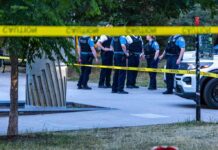
On April 23, 2025, officers executed coordinated search warrants at several homes in Ann Arbor, Ypsilanti, and Canton Township. The operation involved the FBI, the Michigan State Police, and local departments, and some people were briefly detained and released. Officials stated the searches were part of an ongoing investigation. Local reporting and group statements described electronics and personal items taken during the searches [5]. A graduate employees organization also said agents seized a member’s devices [4].
Michigan’s attorney general’s office said the warrants addressed “multi-jurisdictional acts of vandalism” and were not tied to protests on University of Michigan’s campus [6][5]. A spokesman said no arrest warrants were being served that day. Activist-aligned outlets framed the operation as raids targeting pro-Palestine organizers, noting the timing near exams and the seizure of phones and laptops. These accounts stressed the chilling effect on speech and organizing while officials kept the case details limited [1][2][5][6].
Competing Narratives And Missing Pieces
Advocacy groups, including Students Allied for Freedom and Equality and the Graduate Employees’ Organization, called the searches political repression and warned about a national crackdown on Palestine activism. Their statements help confirm who was searched and what was seized, but they do not answer the narrow legal claims about threats or witness tampering. The research here lacks affidavits, device forensics, or named-victim statements that would connect individuals to specific criminal acts [1][4].
🚨 Alexander Sepulveda is one of eight University of Michigan students now under federal indictment for participating in a campaign of violence against U of M Board Regents.
Sepulveda was part of the pro-Hamas movement on campus that targeted and attacked university officials… pic.twitter.com/jJVjrsGh5P
— NizNellie3 (@NizNellie3) June 11, 2026
State and federal officials highlighted vandalism early on and later pointed to a broader threat conspiracy in federal court updates. That shift raises trust issues for many readers. People on the right see property damage and intimidation as lines that cannot be crossed. People on the left see raids and device seizures as tools that can silence dissent. Both sides see a system that shares little proof while asking for broad deference to power [5][6][8].
What To Watch Next To Judge The Case Fairly
Public release of the full indictment, any supporting affidavits, and device-forensic summaries would show who did what, when, and how. Clear evidence would include message logs, posts, or calls that name targets and make threats, plus links that tie actions across cities. If the case rests on vandalism alone, the charges may narrow. If records show explicit threats or pressure on witnesses, the prosecution will look stronger. Until then, firm conclusions would be premature [7][8].
Sources:
[1] Web – ‘Entire Family on My Hit List’: FBI Unseals Shocking Antisemitism Case …
[2] Web – FBI and Police Raid Homes of Pro-Palestine Student Activists in …
[4] Web – FBI raids homes of University of Michigan anti-Israel activists
[5] Web – FBI and police raid homes of pro-Palestine activists, including a …
[6] Web – FBI, Michigan State Police search pro-Palestine activists’ homes
[7] YouTube – Viral video of police raids on University of Michigan student …
[8] Web – FBI, police raid homes of pro-Palestinian activists tied to UM …