One Sacramento insider’s rise through California politics ended with FBI scrutiny, uncharged status, and a paper trail that now ties a well-known consultant to a widening corruption case.
Quick Take
- Federal prosecutors identified an uncharged co-conspirator in the Dana Williamson case, and reporting says that person is Alexis Podesta.
- Campaign records show $180,000 moved from a dormant campaign account to Podesta Company and then to Sean McCluskie’s spouse.
- Podesta’s attorney says she cooperated fully, did not know the payments were improper, and stopped them once advised.
- The case has become a political problem for Gavin Newsom and another example of how insider networks can blur public duty and private gain.
How the case put Podesta in the spotlight
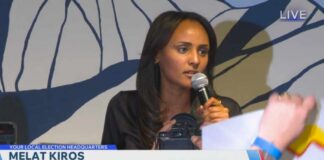
The federal case against Dana Williamson moved Alexis Podesta from a familiar Sacramento consultant into a public corruption story with national overtones. Reporting says federal prosecutors described an unnamed co-conspirator, and Podesta’s attorney confirmed she was the person referenced in the indictment. The same reporting says Podesta is not charged, but she is cooperating with federal investigators and remains under intense public scrutiny.
The indictment and related reporting describe a chain of payments that sits at the center of the case. CalMatters reported that campaign finance records show $180,000 moved in $10,000 increments from “Becerra for Superintendent of Public Instruction 2030” to Podesta Company, then to an account linked to Sean McCluskie’s spouse. That money trail is the core fact drawing the most attention, because it connects political fundraising, consulting work, and a federal fraud probe.
What prosecutors say and what Podesta’s lawyer says
Federal reporting says the indictment includes recorded conversations after Podesta began cooperating with investigators. The New York Post reported that Podesta secretly recorded talks during the probe, and the Sacramento Bee reported that her lawyer confirmed she had fully cooperated. Those details matter because they show why prosecutors view her as an important witness, even though she has not been charged with a crime.
Her lawyer’s account gives the defense side its strongest point. Bill Portanova said Podesta inherited part of Williamson’s client work, did not know the payments were improper, and ended the transfers once she was told they were not proper. That statement does not erase the paper trail, but it does place the dispute on intent, not just on money movement. In federal cases, that difference can decide whether a consultant is a witness, a target, or both.
Why the story matters beyond one consultant
The case has quickly become part of a broader pattern in California politics, where a small circle of consultants, aides, and lobbyists can control access to power. The New York Times reported that FBI letters sent shock waves through Sacramento after people learned their calls had been intercepted. That kind of broad surveillance fuels distrust on both the left and the right, especially when insiders appear to move between campaigns, public offices, and private clients with little daylight between roles.
🚨Breaking: FBI had a mole inside Gavin Newsom’s inner circle. Democratic ally Alexis Podesta allegedly wore a wire during a corruption probe as the investigation into Newsom’s @GavinNewsom’s corrupt office expands and his former chief of staff faces charges. pic.twitter.com/KHaaserSux
— Stan Wilson (@StanWil14145920) July 3, 2026
There is also a political cost that reaches past the courtroom. Politico reported that the probe created bad headlines for Gavin Newsom, while the Sacramento Bee said Podesta remained on the State Compensation Insurance Fund board despite the investigation. To critics, that looks like another case where elite networks protect their own. To supporters of the investigation, it shows only that prosecutors are following the evidence wherever it leads.
What remains unresolved
The strongest facts are still limited to public records, plea deals, and lawyer statements. Podesta has not been charged, and there is no public sworn testimony from her explaining what she knew when the transfers occurred. That leaves a narrow but important gap between suspicion and proof. Until more records, recordings, or testimony are made public, the case will remain a test of whether federal investigators can turn a web of insider relationships into a clean, provable corruption case.
Sources:
nypost.com, sacbee.com, youtube.com, calmatters.org