British police declared a major incident and arrested several men under the Explosives Act after evacuating homes near a U.S.-used air base in southwest England.
Story Snapshot
- Police made arrests under the Explosives Act and evacuated residents near RAF Fairford.
- Army bomb experts examined several vehicles at the scene, and a wide cordon was set.
- Officials said the situation was contained while counter-terrorism officers led the inquiry.
- Authorities did not confirm if explosives were found or give details on suspects or motive.
Arrests And Evacuations Near A U.S.-Used Air Base
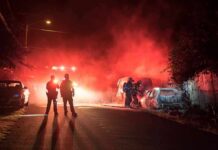
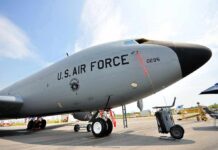
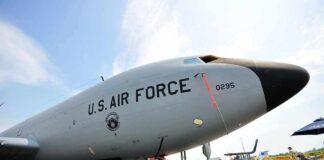
Gloucestershire Police declared a major incident and arrested several men on suspicion of Explosives Act offenses near the village of Whelford, close to Royal Air Force Fairford in southwest England. The base is used by the United States Air Force for long-range bombers. Police moved residents to a leisure center as a safety step and set a cordon around the area while searches took place. Officials said their priority was public safety during the response.
Police said the Army’s explosive ordnance disposal specialists examined multiple vehicles linked to the incident. That work focused on ensuring no active device posed an immediate threat to the public or responders. Officers stated they believed the incident was contained. They added they were working with partner agencies and using established emergency plans to manage evacuations, traffic, and welfare support for affected residents. The cordon remained while teams completed checks.
Counter-Terrorism Leadership And What Authorities Have Not Said
Independent reporting said counter-terrorism police were leading the investigation, which signals the potential seriousness of the case and the need for specialized procedures. Police did not publicly identify the suspects, provide a total count, or explain a motive. Officials also did not confirm that explosives or materials were recovered at the scene. That lack of detail is common in early stages when safety checks, interviews, and forensic tests must occur before charges or more specifics are released.
Reuters reported the arrests followed stepped-up security measures at RAF Fairford, underscoring how sensitive sites draw rapid responses when risks emerge. The base’s role hosting United States Air Force bombers can raise the profile of any nearby security event. That context helps explain why police used a major-incident framework and called in explosive experts quickly. It also explains the wider cordon and the decision to move residents while officers worked through safety checks on vehicles.
Why This Matters To Readers On Both Sides Of The Aisle
Events near critical sites test whether government can protect the public while staying transparent. Police acted fast, evacuated neighbors, and brought in experts. Those steps match what people expect from a working system. Yet the public also wants clear answers on who, what, and why. When details are thin, trust can fray. That tension shows up often in security cases, where safety needs can slow open reporting even as people seek quick facts to judge their own risk.
Something just happened near a U.S. air base in the UK.
5 arrests.
Explosives.
“Major incident.”
Homes evacuated.
Almost nobody is talking about it yet.
RAF Fairford. Look it up.— The Bounty (@bountyvault) September 27, 2026
The United Kingdom’s recent data shows many terrorism-related arrests compared with fewer cases that lead to charges. That base rate helps frame patience while facts develop. In the year ending March 2026, the United Kingdom recorded thousands of terrorist-related arrests, with only a small share under the most sweeping arrest power. Most cases take time to test the evidence and decide charges. This case now moves into that phase, where forensic results and interviews will shape any next steps.
Sources:
insiderpaper.com, bbc.com, www-cdn.abcnews.com, reuters.com, independent.co.uk