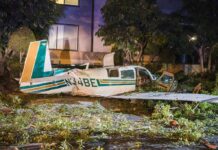
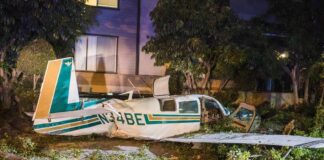
Five people died and five were hurt after an Amazon cargo jet ran off a Miami runway and hit vehicles on airport grounds.
Story Snapshot
- Federal Aviation Administration confirmed the runway overrun at Miami around 2 p.m. local time.
- National Transportation Safety Board opened an investigation into the deadly crash.
- Airport operations halted with a full ground stop after the incident.
- Victims on the ground were among those killed, according to early reports.
What Officials Confirmed So Far
Federal Aviation Administration officials said 21 Air Flight 7598, a Boeing 767-300 operating for Amazon, overran the runway after landing at Miami International Airport around 2 p.m. local time on Sunday. The flight departed San Juan, Puerto Rico, earlier that day. The Federal Aviation Administration said it will investigate the incident. The National Transportation Safety Board also launched a separate investigation into the crash that left five people dead and five injured.
Airport officials ordered a ground stop soon after the overrun, closing all runways and taxiways while emergency crews responded. News and airport statements reported a large fire and a heavy response from county and airport units. Early briefings said the jet left the runway at speed and came to rest after striking vehicles near the airfield perimeter. The event disabled the aircraft and disrupted flights across the region as crews worked to secure fuel, debris, and the scene.
Casualties, Damage, and On-Scene Response
County and federal briefings reported five fatalities and five injuries tied to the crash. National Transportation Safety Board officials said people in vehicles on airport property were among those killed. Media outlets reported the aircraft burst into flames after coming to a stop, which complicated rescue efforts and raised risks for responders. Amazon issued a statement offering condolences to the families and said it is cooperating with investigators as they gather records and crew interviews.
Investigators will document the touchdown point, runway condition, braking action, and data from the flight recorders. They will also examine the aircraft’s braking and thrust-reverser systems, tires, anti-skid functions, and spoilers, along with crew actions during approach and landing. The Federal Aviation Administration and National Transportation Safety Board often coordinate on scene mapping, performance data, and weather inputs during the first 48 hours. Formal findings can take months, but early factual updates may arrive sooner.
Why Runway Overruns Happen and What Comes Next
National Transportation Safety Board work shows runway overruns rarely stem from one cause. Past cases linked outcomes to wet or contaminated pavement, tailwinds, delayed braking or reverse thrust, landing long, tight runway margins, or maintenance faults in braking and anti-skid systems. The Federal Aviation Administration and airports use runway condition codes and safety areas, and some fields add engineered arresting beds to stop aircraft. These steps aim to reduce harm even when a landing goes wrong.
WATCH LIVE: Miami-Dade County Sheriff Rosie Cordero-Stutz is holding a press conference this morning to provide the latest updates on Sunday’s Amazon cargo plane crash at Miami International Airport. READ MORE HERE: https://t.co/Ju2nGWan5w https://t.co/cn7zoVlSr4
— WPLG Local 10 News (@WPLGLocal10) September 8, 2026
Investigators will compare the crew’s landing plan against conditions in Miami at the time. They will check if the landing distance math matched the actual runway state, and whether any system alerts, sensor issues, or maintenance items played a part. Families and workers want clear answers. The stakes are high for cargo carriers, airport safety planners, and the many small businesses that depend on fast air freight. Facts, not spin, should guide the fixes that follow.
Sources:
feedpress.me, cnn.com, abcnews.com, foxnews.com