In late August 1921, approximately 10,000 armed coal miners faced off against 3,000 law enforcement officers and company forces in West Virginia, culminating in the Battle of Blair Mountain. This was the largest armed labor uprising in US history, sparked by the miners’ quest for union rights and better working conditions. The conflict escalated dramatically when President Warren Harding deployed federal troops and Army Air Corps bombers to enforce a ceasefire, marking a pivotal and controversial moment where the US government used military force against its own citizens fighting for basic constitutional freedoms. The legacy of this event continues to shape discussions on labor rights, corporate power, and the balance of government authority.
Story Highlights
- 10,000 miners clashed with law enforcement in a bid for union rights in 1921.
- The US Army intervened, deploying troops and bombers to enforce a ceasefire.
- This marked the largest armed labor uprising in US history.
- The event highlighted the oppressive conditions in coal mining towns.
The Clash of Coal Miners and the Government
In late August 1921, approximately 10,000 armed coal miners faced off against 3,000 law enforcement officers and company forces in West Virginia. Known as the Battle of Blair Mountain, this event was the climax of decades-long tensions in the coalfields. The miners, seeking to unionize and improve their dire working conditions, were met with machine guns and brutal opposition from operators’ hired guards and local sheriffs.
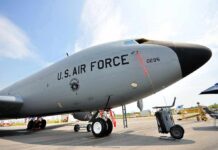
What escalated this conflict to national attention was the intervention of President Warren Harding, who deployed federal troops and Army Air Corps bombers not to “crush” the miners but to enforce a ceasefire. This marked the first use of aerial bombing on US soil, as the government sought to restore order by overwhelming force. The miners, dubbed the “Redneck Army” for their red bandanas, faced overwhelming odds but stood firm in their demand for rights.
The US Army Once Deployed Bombers and 2,500 Troops to Crush 10,000 Armed Coal Miners in West Virginia https://t.co/j3cf9CSucG
— Military.com (@Militarydotcom) January 14, 2026
The Struggle for Unionization
For years, coal miners in Southern West Virginia endured exploitative conditions in company towns, where operators controlled every aspect of life. They paid workers in scrip, evicted those who resisted, and blacklisted union sympathizers. This environment of oppression led to significant uprisings, with Blair Mountain being the largest. The miners’ march was sparked by the assassination of pro-union police chief Sid Hatfield, a symbol of the brutal enforcement used against union efforts.
The battle ended on September 4, 1921, when the miners surrendered their arms to the US Army. While the short-term result saw the arrest and trial of many miners, with most charges eventually dropped, it underscored a pivotal moment in labor history. The government’s use of military force against citizens fighting for basic rights remains a point of contention and reflection in the context of constitutional freedoms.
Legacy and Reflection
The Battle of Blair Mountain left a lasting impact on labor rights and is a symbol of the struggle against corporate tyranny. Although the immediate outcome seemed a setback for the miners, it sparked national awareness and contributed to future labor reforms, such as the Wagner Act of 1935. This act granted workers the right to unionize and collectively bargain, a victory for the labor movement that had been hard-fought.
Today, Blair Mountain is recognized as a National Historic Landmark, serving as a reminder of the ongoing fight for workers’ rights and the historical challenges faced in achieving them. The event continues to resonate, illustrating the delicate balance between government authority and individual rights, a theme that remains relevant in contemporary discussions on federal intervention and personal freedoms.
Watch: The Battle of Blair Mountain – West Virginia Coal Wars I THE GREAT WAR 1921
Sources:
Wikipedia: Battle of Blair Mountain
The US Army Once Deployed Bombers and 2,500 Troops to Crush 10,000 Armed Coal Miners in West Virginia | Military.com.
The US Army Once Deployed Bombers and 2,500 Troops to Crush 10,000 Armed Coal Miners in West Virginia – NewsBreak
NPS: The Battle of Blair Mountain