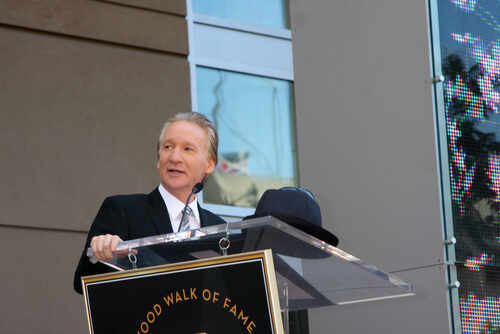
Bill Maher just did the unthinkable in today’s left-wing media world: he backed Trump-era strikes on Iran and publicly mocked Kamala Harris for claiming Americans “don’t want” the conflict.
Story Snapshot
- Bill Maher used his March 6, 2026, monologue on HBO’s Real Time to support U.S. strikes on Iran that reportedly killed Supreme Leader Ayatollah Ali Khamenei.
- Maher argued Iran’s theocratic leadership has driven decades of regional turmoil and said Iranians he knows were happy about the strikes.
- Maher ridiculed Kamala Harris after she said, “This is a war the American people don’t want,” responding with a punchline questioning her credibility on public opinion.
- Maher also acknowledged polling that suggests a majority of Americans oppose the war, while drawing a line between airstrikes and “boots on the ground.”
Maher’s Pro-Strike Monologue Breaks the Usual Hollywood Script
Bill Maher returned from a show hiatus and addressed the Iran strikes head-on during the March 6, 2026, episode of HBO’s Real Time with Bill Maher. Maher expressed support for U.S. military action against Iran and framed it as a response to a regime he described as a long-running source of instability in the Middle East. He cited personal anecdotes about Iranians he knows celebrating the outcome, underscoring how unusual his stance sounded for a mainstream entertainment figure.
Maher’s argument centered on Iran’s theocratic system and its role in regional conflict, rather than on vague “nation-building” rhetoric that many Americans associate with past interventions. He also distinguished between limited strikes and a full-scale invasion, acknowledging the country’s weariness after years of foreign entanglements. That distinction matters because it separates targeted military aims from the open-ended commitments that fueled public distrust during earlier eras of U.S. foreign policy.
Kamala Harris Leans on War-Fatigue Politics—Maher Targets the Message
Kamala Harris criticized the strikes by emphasizing domestic sentiment, saying the conflict was “a war the American people don’t want.” Maher seized on that claim with sarcasm, delivering the line, “And who knows more about what the American people don’t want?” The exchange highlights a political fault line that has grown sharper since the Biden years: establishment Democrats often invoke “public opinion” language, while critics question whether those leaders accurately reflect it.
Maher did not deny the reality of anti-war attitudes. He referenced polling that suggests a majority of Americans oppose the war, then pivoted to his own distinction—supporting airstrikes while opposing “boots on the ground.” Even a pro-strike monologue can acknowledge war fatigue, while still arguing that limited action against a hostile regime is defensible.
What’s Confirmed—and What Still Lacks Detail in Public Reporting
The recent coverage presents the key claim that the late-February 2026 U.S.-Israel strikes killed Ayatollah Ali Khamenei and that Maher endorsed those strikes on March 6. What is less clear from these sources is the operational timeline and the extent of the campaign beyond the initial description. The same limitation applies to the polling Maher referenced; .
Why This Moment Matters for Conservatives Watching Media and Policy
Maher’s comments matter less because he is a comedian and more because his platform reaches an audience that typically resists Trump’s national-security framing. When even a prominent liberal TV host can publicly argue that Iran’s theocratic leadership has fueled decades of chaos, it suggests the debate may be shifting from partisan reflexes to outcomes and accountability. For conservatives, the key question is whether Washington can keep military objectives limited and clear while defending Americans and allies.
Bill Maher Slams Kamala Harris Over Comments Against Iran Strikes: 'Who Knows More About What the American People Don’t Want?" | The Gateway Pundit | by Margaret Flavin https://t.co/uQKsK69Six
— Brett Yeamans (@BrettYeamans) March 9, 2026
Harris’s approach leaned heavily on the idea that Americans “don’t want” another war. That theme resonates with voters burned by inflation, overspending, and years of elite mistakes—but it can also become a political shortcut that avoids confronting adversaries who don’t share America’s reluctance. Maher’s line-drawing—supporting strikes but rejecting ground war—captures where many voters may actually be: tired of endless wars, but unwilling to ignore threats.
Sources:
Bill Maher Issues Bold Response to U.S. Bombing Iran
Bill Maher Slams Kamala Harris Comments Against Iran Strikes