
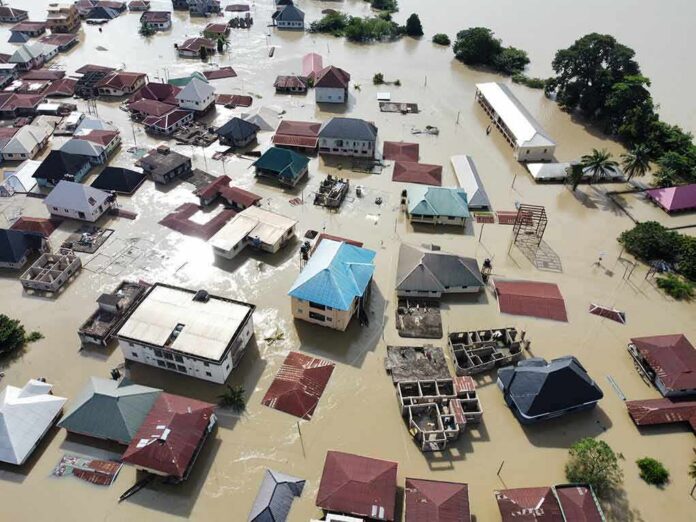
Bangkok declared all 50 districts a disaster zone after nearly 300 millimeters of rain in two days flooded roads and strained canals across the capital.
Story Snapshot
- Citywide disaster order enables faster, coordinated flood response across Bangkok.
- Heavy rain swamped major roads and left cars partly submerged, with more storms forecast.
- Officials escalated from three districts to all 50 as water levels and risks rose.
- Thailand’s disaster law provides the legal tools to mobilize agencies and aid.
Citywide Disaster Declaration and What It Does
Bangkok Governor Chadchart Sittipunt declared the entire city a disaster-affected zone after torrential rain swamped streets and neighborhoods. The order covers all 50 districts, expanding an earlier, smaller designation. The city said the step unlocks quicker action by government offices and local groups to protect lives and property. The move follows Thailand’s Disaster Prevention and Mitigation Act of 2007, which sets rules to respond to floods and similar events.
Officials and local crews can now move pumps, supplies, and staff without slow approvals. The order also helps set up shelters, move people out of harm’s way, and direct traffic control. City leaders framed the measure as a practical tool, not a symbol. The goal is faster, more organized help when canals are full and roads are under water. This aligns with how big cities often handle major weather shocks, turning risk into a clear action plan.
Rainfall, Flooding, and Strain on Canals and Roads
Nearly 300 millimeters of rain fell in 48 hours, pushing water into streets and underpasses. Images showed cars half-submerged and commuters wading through brown water. Weather officials signaled more storms could follow, which adds pressure on drainage systems. Reports across outlets described canals near capacity and routes blocked. These details match long-standing concerns about Bangkok’s drainage limits during hard, fast rain and the need to move water quickly to reduce damage.
Crews worked to clear drains and run pumps where water pooled. Traffic delays hit work and school plans, with some areas hard to reach. Authorities warned drivers to avoid flooded roads and asked residents to watch official alerts. The wide scope of the order reflected that while some neighborhoods faced deep water, others needed help to prevent the next surge. The city wanted no gaps in authority if the rain returned or tides slowed outflow.
How the Response Evolved Over 48 Hours
Leaders first labeled three districts as disaster areas when heavy rain overflowed canals and blocked travel. As new data came in and flooding spread, the city expanded the designation to include all 50 districts. The full-city step aimed to remove confusion about which office could act where. That shift sought to keep aid fair and fast, reduce red tape, and push resources to the hardest-hit blocks without delay.
🌊 Nearly 300mm of rain in 48 hours has turned Bangkok into a disaster zone, roads swallowed, cars submerged, residents wading through chest-high water. For a megacity built on marshland barely 1.5m above the sea, the flood is both an emergency and an omen. 👇… pic.twitter.com/GlBumfVZd6
— The Diplomatic Affairs (@OvidiuStanica) September 27, 2026
City messaging stressed risk to lives and property from fast water, hidden manholes, and weak currents near drains. The disaster tag sends a clear signal to residents and partners about the threat level. It also frames costs and repair needs for follow-on support. While waters can drop as drains catch up, more rain can reverse gains. That is why the city treated the episode as a live, moving problem, not a one-day storm that passed.
Why This Matters Beyond Bangkok
Bangkok’s move shows how big cities now handle flood risk: act wide, act fast, and cut friction. The legal base in Thailand lets leaders coordinate many agencies at once. That can mean quicker shelter access, better traffic routing, and faster cleanup. For travelers and businesses, it offers clearer guidance and a single framework. For residents, it can speed sandbags, pumps, and food support when hours count most.
Sources:
youtube.com, reuters.com, dw.com, thestar.com.my