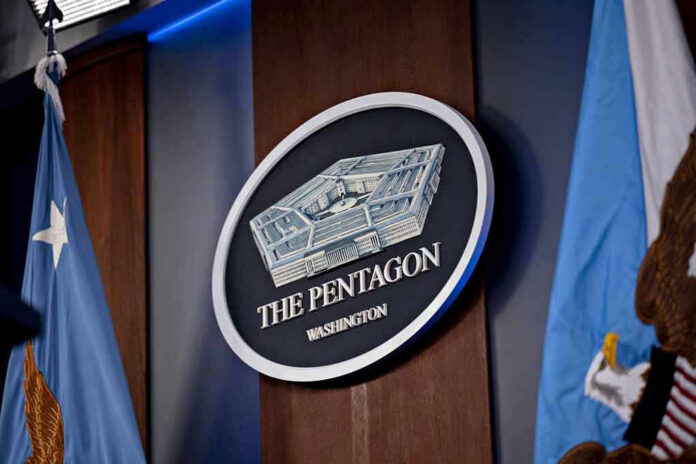
House leaders shut down an impeachment push rooted in Congress’s own order to end unauthorized Iran hostilities, deepening the fight over who decides when America goes to war.
Story Snapshot
- The House voted 211–204 to refer eight impeachment articles against Defense Secretary Pete Hegseth to committee, blocking a floor vote.
- Rep. Thomas Massie’s charges center on alleged War Powers violations tied to Iran operations without clear authorization.
- Both chambers passed a resolution directing removal of U.S. forces from unauthorized Iran hostilities, sharpening the dispute.
- Hegseth called the effort a political stunt and said every operation was lawful, not impeachable.
What the House actually did with the impeachment bid
House Republicans used a referral vote to stop eight impeachment articles against Defense Secretary Pete Hegseth from reaching an immediate floor trial. The tally was 211–204. The action sent the measure to the Judiciary Committee and effectively paused it for this Congress. Reporting notes one Republican opposed the referral while most Republicans backed leadership. The vote did not judge the truth of the claims. It only halted fast-track consideration of the charges.
Representative Thomas Massie filed the articles as a privileged resolution. That step forced leaders to act within two legislative days. Massie’s filing argued that Hegseth violated the Constitution and federal law tied to war powers. He said the Pentagon continued Iran hostilities without a declaration of war, a clear statute, or an imminent threat. He also said operations continued after Congress told the administration to stop. The House move blocked quick action but did not erase those claims.
The legal core: Congress’s directive and the War Powers clock
The constitutional fight centers on who starts and sustains war. Congress passed a concurrent resolution directing the President to remove U.S. forces from unauthorized hostilities in Iran. The House approved it on June 3, 2026. The Senate approved it on June 23, 2026. That directive sharpened the legal stakes because it set Congress’s view on the record. The administration’s full legal response to that resolution was not detailed in the available reporting.
Massie’s filing divided the Iran dispute into clear parts. First, it alleged the war began without Congress’s authorization. Second, it claimed the administration continued hostilities after both chambers directed removal. Third, it argued that actions ran past the War Powers Resolution’s sixty-day limit for unauthorized hostilities. These points aimed to show specific violations, not just policy disagreements. The House referral vote did not resolve any of these legal questions.
Other alleged abuses and what is known so far
Coverage said the eight articles also cited boat strikes, an Iranian school strike, retaliation against lawmakers, and an operation in Venezuela. The reporting did not include the full impeachment text or exhibits. It did not provide targeting packets, rules of engagement, civilian-harm records, or orders signed by Hegseth. That gap limits external review of those claims at this time. The procedural vote likewise did not test those facts in hearings or sworn testimony.
Because the record lacks the resolution’s full text and supporting documents, some details remain unclear. We do not have casualty reports, command communications, or inspector general findings in the public set. That means readers should separate what is charged from what is proven. The House’s decision was a procedural block, not a verdict. It left the allegations without a committee record, at least for now, and without formal findings on the added claims.
How Hegseth and allies defended the actions
Hegseth said every operation was lawful and did not meet the Constitution’s impeachment standard. He called the move a farce and a stunt. He said there was no evidence of corruption or any crime. He also framed the outcomes as national security wins, citing destroyed terror capabilities, drug-boat interdictions, and the capture of a narco-trafficking leader. Secretary of State Marco Rubio said Hegseth carried out direct orders from President Trump.
🚨 BREAKING: HOUSE BLOCKS EFFORT TO IMPEACH DEFENSE SECRETARY PETE HEGSETH 🇺🇸
The U.S. House of Representatives has voted 211–204 to refer Rep. Thomas Massie’s articles of impeachment against Defense Secretary Pete Hegseth to the Judiciary Committee, effectively killing a direct…
— Alistair Brooks | (@AlistairBrooksH) November 11, 2026
Many House Republicans told reporters that, even with concerns about the war’s length, they did not see impeachable conduct. That view kept the conference united behind referral instead of a floor vote. The result pushes the long-running war powers struggle back into the gray zone. That gray zone has grown as presidents have acted first and Congress has often responded later. Voters on the right and the left see this as another sign that Washington ducks core duties.
Why this matters to readers across the aisle
Congress’s job is to decide if the nation goes to war and to keep wars legal and limited. When leaders block fast oversight, trust erodes. Conservatives angry about endless wars see more drift of power to unelected officials. Liberals worried about civilian harm and accountability see fewer hard checks. The shared concern is simple: if no branch owns the hard choices in public, the country slides toward government by insiders, not by the people’s representatives.
Sources:
defensedaily.com, congress.gov, cbsnews.com, nbcnews.com, bbc.co.uk, apnews.com, deadline.com, us.cnn.com, nytimes.com