
Seven shots fired by immigration officers into a car holding a five-year-old now sit at the center of a national fight — and a pop star just put it on stage.
Story Highlights
- Harry Styles named Oscar Belgal at Madison Square Garden and asked fans to show dignity and justice.
- Officials say at least one immigration officer fired seven rounds during a moving-vehicle arrest attempt.
- Reports confirm Belgal’s child was in the car when he was shot in the neck.
- Federal statements describe a threat from Belgal’s vehicle; key video and findings are not yet public.
What sparked the backlash at Madison Square Garden
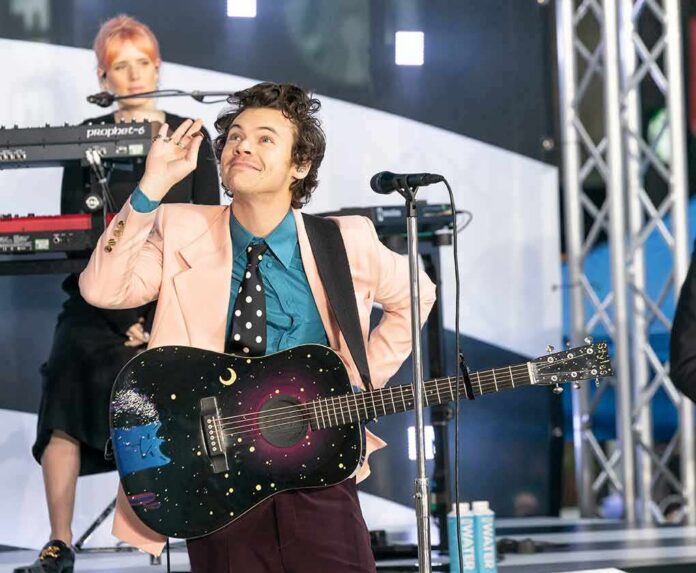
Billboard reported that Harry Styles paused his New York City show to say, “I just want us to take a moment to think about Oscar Belgal tonight,” urging fans to “look after each other.” Far Out Magazine said he linked his remarks to dignity, love, and justice. He did not claim the shooting was unlawful. His message still drew a fast political response online and on cable, with critics blasting him for siding against officers.
The moment landed because it touched two hot issues at once: deadly force and immigration. People on the right and left often see different villains here. But many share one worry: powerful institutions act first and explain later. Styles’s words tapped that mood. Supporters heard a call to care for a child caught in danger. Critics heard a star judging a split-second decision from a stage, not a courtroom.
What we know about the Bronx shooting itself
NBC News identified the man as Oscar Belgal and said he was shot during a targeted operation while his five-year-old son was in the car. The New York Times reported that plain-clothes immigration officers surrounded the vehicle, it began moving, and an officer fired seven shots, hitting Belgal in the neck. New York City Police Department leaders said at least one officer fired seven rounds during the attempt to arrest him.
Federal officials gave a more forceful account. They said Belgal refused orders, struck two government vehicles, and then accelerated toward other officers, which they framed as a deadly threat. They argued officers fired because they believed lives were in danger. They also said they did not know a child was in the car at the time. These claims await full investigative records and public video to confirm details.
Competing facts that shape public reaction
Coverage noted past arrests and a prior grand-larceny conviction linked to Belgal, along with later narcotics allegations. Those facts do not answer the use-of-force question. But they influence how audiences judge the moment, and how officials frame risk in the field. That framing matters in a country already split on immigration enforcement and wary of both crime and government overreach.
The most sensitive dispute is the car’s movement. One account says the vehicle began moving as officers closed in. Another says Belgal weaponized the car and charged toward officers. Without body-camera footage, dash video, or a completed use-of-force report made public, the timeline and threat level remain contested. That gap fuels anger on both sides and leaves room for partisans to fill in the blanks.
Why this story hits a nerve beyond one concert
Vehicle shootings are among the hardest cases for investigators and courts. The core legal test asks whether officers reasonably faced an immediate threat of death or serious injury, not simply whether a suspect fled. That is why video, trajectories, and scene maps matter so much. They can show if a car was driving at people or moving away when shots were fired. Until those records are public, debate will outrun facts.
Harry Styles speaks out over ICE shooting of Oscar Belgal: “Look after each other” . Link in bio 🔗 pic.twitter.com/Bb7BGiQ5dZ
— Far Out Magazine (@FarOutMag) October 12, 2026
Many Americans feel stuck between fears of crime and fears of unaccountable power. They see wealthy leaders argue on television while basic answers lag. In this case, a child’s presence, seven fired rounds, and a celebrity’s spotlight make that gap feel worse. The path forward is simple but not easy: release the videos, finish the inquiries, and publish clear findings. Sunshine, not spin, is how trust gets rebuilt.
Sources:
mediaite.com, billboard.com, faroutmagazine.co.uk, yahoo.com, nbcnews.com, inquirer.com, bbc.com, latimes.com, abcnews4.com, thehill.com, www2.ca3.uscourts.gov