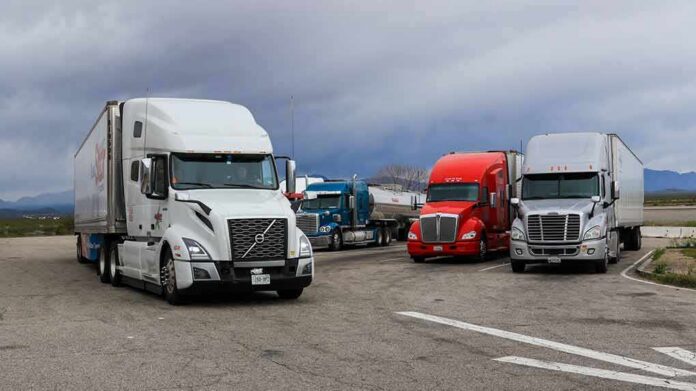
President Trump signed an order letting tax-free red-dyed diesel onto highways and deferring the federal diesel tax, promising cheaper fuel now.
Story Highlights
- Executive order allows off-road red-dyed diesel for highway use, temporarily.
- Treasury is directed to defer the federal diesel excise tax this year.
- White House says agencies will work with states, industry, labor, and farmers.
- Move aims to lower transport and food costs during a period of high prices.
What the Order Does and When It Starts
The White House says President Trump signed an executive order that temporarily allows off-road, red-dyed diesel to be used in on-road vehicles and defers the federal diesel excise tax for the rest of the year. Red-dyed diesel is normally tax-exempt fuel set aside for farm, construction, and other off-road uses. The order frames the change as short-term price relief for drivers, truckers, and farmers while agencies set up guidance and enforcement steps.
Under the order, the Department of the Treasury will handle the tax deferral and consider longer-term changes to how the deferred tax is treated, according to the fact sheet. The Departments of Transportation and Agriculture, and the White House Office of Intergovernmental Affairs, are told to coordinate with states, industry, labor, and farm groups to expand lawful access and manage supply. The intent is to speed fuel to buyers without the normal tax, which is typically charged on diesel used on public roads.
Why Dyed Diesel Exists and How This Move Breaks the Mold
Since the 1990s, the federal government has taxed highway diesel but exempted dyed diesel used off-road, using the dye to mark the tax break at the point of sale. States also mirror this structure to separate highway and non-highway uses. Past changes focused on compliance and fraud control. This order instead uses executive action to broaden access as a cost relief tool, which is less common than routine tax administration updates. That shift reflects pressure from high prices hitting freight and food.
The law makes the difference simple: the same fuel, with a red dye for exempt off-road use, is normally barred from highway use and taxed if used on roads. Federal rules set the dye standard and the point where tax applies. By opening dyed diesel to on-road use and deferring tax, the order flips the normal sequence. That could ease cash strain for truckers and farms now, while regulators figure out audits, documentation, and later tax treatment if any taxes become due.
How It Could Affect Prices, Freight, and Families
Trucking moves most goods in the United States, so diesel spikes show up fast in store prices and farm costs. The White House argues that more supply and a tax deferral can lower pump prices and operating costs, which then ease shipping and food prices over time. Freight carriers often run tight margins. A lower per-gallon cost can improve cash flow and support more trips. Farmers who run diesel equipment could also buy more fuel at a lower price during harvest and transport.
Analysts have long debated how fast fuel tax changes flow through to retail prices. Some say relief is slow or partial when supply chains are tight. Others say tax changes move quickly when competition is strong at the rack and pump. The fact pattern here is clear: the order expands legal access to tax-exempt dyed diesel and defers the federal tax for the rest of the year. The real-world price impact will depend on supply, demand, and how states respond on their own diesel taxes.
Enforcement, State Roles, and the Road Ahead
The order’s coordination push hints at a key challenge: preventing new fraud while widening access. For decades, the Internal Revenue Service and states have used dye checks and records to stop illegal on-road use of untaxed fuel. Opening dyed diesel to highways changes the enforcement map. Agencies will need clear rules for sales, storage, and roadside checks, so honest users get relief and bad actors do not exploit gaps. The fact sheet signals that planning is underway.
🛑 Trump allows temporary use of tax-exempt red-dyed diesel by road trucks; limited relief for farmers, may tighten rural fuel supply
— jck✨ (@Alea_) October 6, 2026
States control their own fuel tax systems and may choose to align with the federal change or keep stricter limits. The order asks agencies to engage governors, industry, labor, and farm groups to smooth access and keep fuel moving. For families and small businesses tired of high bills, the promise is near-term relief on the essentials: shipping, food, and farm work. For watchdogs on both left and right, the test will be whether this temporary fix is fair, targeted, and free from special favors.
Sources:
facebook.com, washingtonexaminer.com, govinfo.gov, taxnotes.com