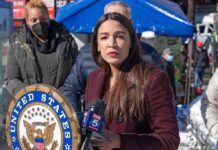
Senate Majority PAC aligned with Senator Chuck Schumer is pouring millions into Michigan to boost Abdul El-Sayed, even as El-Sayed campaigns against big money in politics.
Story Highlights
- Schumer-aligned Senate Majority PAC adds $10 million to help El-Sayed in Michigan.
- Total outside spending from the PAC in Michigan now reaches about $30 million.
- El-Sayed has spoken against super PAC influence while benefiting from independent spending.
- Party-aligned super PACs legally operate independent of candidates but act as key campaign arms.
What Happened: A Major Cash Surge For El-Sayed
Axios reported that Senate Majority PAC, which is aligned with Senate Democratic Leader Chuck Schumer, committed an extra $10 million to Michigan’s Senate race to boost Democrat Abdul El-Sayed. That move brings the group’s total Michigan spending to about $30 million this cycle, mainly for television ads that back El-Sayed. The investment signals how critical party leaders see the Michigan seat. It also raises new questions about message versus method in a race shaped by heavy outside money.
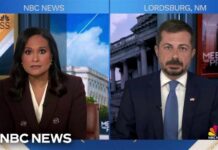
El-Sayed met with Senate Democrats in Washington after his primary win, as leaders moved to unify behind him for November. Reports described a focus on winning Michigan to challenge Republican control in Congress. El-Sayed and Senate leadership emphasized common goals despite earlier tensions. Their meetings underscored the role national leaders now play in steering resources, strategy, and support in one of the country’s marquee contests.
Why It Matters: Anti-Big-Money Message Meets Super PAC Reality
El-Sayed has criticized the role of super PACs and dark money. Yet he is now receiving major help from a super PAC tied to Schumer’s allies, according to reporting after his primary win. This clash between rhetoric and reality is not unusual. Candidates often decry big money while legally unaffiliated groups flood races with ads. Voters see the ads either way. Opponents often frame this as hypocrisy, while campaigns point to the law’s line on independence.
Under federal law, independent expenditures are allowed if they are not coordinated with a candidate or party. Courts and regulators define coordination as spending made in cooperation, consultation, or at the request of a candidate or their agents. That legal wall is why super PACs can raise and spend without limits. It also explains why modern campaigns can disavow control over outside ads while still benefiting from them. Many voters still see close political ties as blurring that line.
The Bigger Picture: Party-Aligned Super PACs As De Facto Campaign Arms
Research from Brookings describes how party-aligned super PACs, while legally separate, function as extensions of party strategy in practice. These groups are often led by allies of party leaders and move money fast into key states late in a cycle. Michigan fits that mold. Big checks fund ad blitzes that can reshape a race in the closing weeks. This system leaves many citizens feeling that major donors and party insiders set the terms, not regular voters.
This is the lengths the Democrats to seize the reins of power.
The education system has been weaponized – so much so that a demon like this has a significant following.
The Democrats’ main Senate super PAC is pouring an additional $10 million into the Michigan Senate race to… pic.twitter.com/bPMsWQPMlw
— 𝓑𝓸𝓫 𝓢𝓶𝓲𝓽𝓱 (@akita77) September 18, 2026
Both left and right share a core worry: politicians say they oppose the sway of big money but then rely on it when power is at stake. Supporters say this is the playing field after court rulings on independent spending. Critics say it erodes trust and drowns out local voices. Michigan’s race shows the tension clearly. A candidate who talks reform is being lifted by millions in outside ads. The law allows it. The optics fuel anger at a system many see as stacked.
Sources:
twitchy.com, thehill.com, yahoo.com, abdulforsenate.com