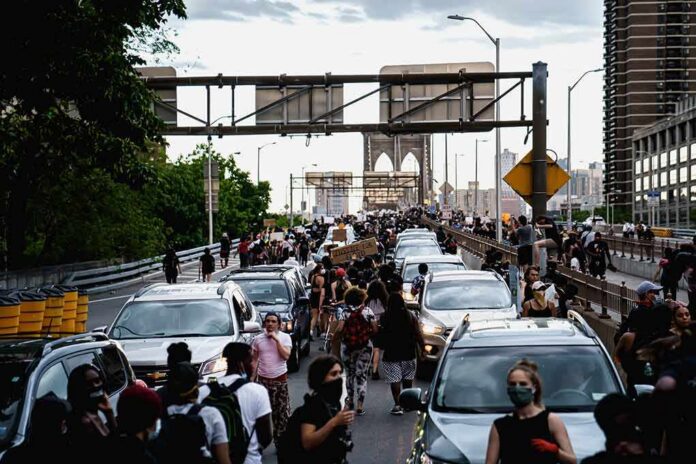
Soaring diesel and gasoline costs have pushed people into the streets from Syria to Angola as oil tops $100 a barrel and shortages bite.
Story Highlights
- Syria faces its widest protests since Assad’s fall after a steep diesel price hike.
- Oil has surged amid Middle East conflict and attacks on energy sites, lifting global fuel costs.
- Diesel prices near record levels raise transport and food costs worldwide.
- Research links fuel price spikes to a higher risk of unrest, especially in fragile states.
Street Unrest Flares as Fuel Prices Jump
Reuters reported that Syria raised diesel prices by 40 percent, sparking the largest nationwide protests since Bashar al-Assad was deposed nearly two years ago. Demonstrators burned tires and blocked roads, including the Damascus–Aleppo highway. Crowds gathered in several cities to denounce higher living costs. In Angola, the United Nations said protests over fuel prices turned deadly, with dozens killed and many detained as tensions rose. These events show how fast price shocks can turn into social unrest.
Americans also felt the pinch at the pump. Reuters said drivers faced record-high Labor Day weekend gasoline prices, reflecting the global squeeze. Households and small businesses paid more for deliveries, farm fuel, and commuting. For the working class, higher diesel prices feed directly into food and goods inflation. When fuel jumps, trucks, ships, and tractors all pay more, and the final bill lands with families that are already stretched.
Why Prices Spiked: War, Strikes, and Supply Risks
Energy markets tightened as Middle East conflict dragged on. Oil rose sharply after new United States–Iran exchanges, lifting Brent and West Texas Intermediate benchmarks by the week’s end. Separate attacks by Yemen’s Houthi movement on Saudi energy sites added supply risk and pushed prices to six-week highs. Brent crude later settled above $101 per barrel as conflict fears grew, further straining global budgets and subsidy programs that shield consumers from shocks.
Policy moves added pressure in key countries. Iran said it would raise gasoline prices for heavy users to manage shortages and sanctions-era stress. Global market coverage from Reuters noted diesel at or near record levels, roughly 90 percent higher than before the war, which raises transport and farming costs and keeps inflation sticky. In Gaza, local officials warned that hospitals would lose diesel support, showing how shortages can threaten basic services when fuel supply falters.
Leaders Respond as Costs Hit Voters
The White House weighed in on one flashpoint. Reuters reported that President Trump urged Ukraine to halt strikes on Russian diesel facilities, arguing the attacks were worsening a global diesel shortage “hurting the world”. The Kremlin welcomed the message while blaming Gulf conflict for broader market turmoil, highlighting how great-power moves can ripple into household budgets far from the front lines. Even limited strikes on refining can raise prices for months if traders expect repeat hits.
Research ties these crises together. An International Monetary Fund working paper found that fuel price increases raise the risk of social unrest, with anti-government demonstrations the most common response. Studies also show larger hikes trigger more backlash, especially where governments are weak or people already face high inflation and low trust. When subsidies are cut without safety nets, protests grow more likely. That pattern is now visible across several regions hit by higher oil and tight diesel supply.
What It Means for Families, Farmers, and Freight
Higher diesel raises the cost to move food, steel, and medicine. Truckers pay more first, then stores and clinics, and finally families at checkout. Farmers face higher harvesting and drying costs. City buses burn more cash to keep routes running. When wages lag, the pain spreads. People across the political spectrum see the same problem: decisions by distant elites, wars abroad, and brittle supply chains leave regular workers paying the tab while leaders argue.
Policy trade-offs are tough but real. Governments can cap prices or boost subsidies to cool tempers, yet that strains budgets. They can cut taxes on fuel, but that reduces funds for roads and pensions. They can speed domestic supply, but drilling, refining, and permitting take time. Clear plans and honest timelines matter. When leaders hide the ball, people assume the worst. When they share data, target aid, and protect essentials like transport and hospitals, unrest may ease faster.
What to Watch Next
Watch for any pause or spread in attacks on energy sites that could stabilize or disrupt supplies. Track diesel inventories and refinery outages in key hubs. Look for targeted relief, such as vouchers for low-income commuters or rebates for farmers. Follow whether protests stay peaceful or face harsh crackdowns that deepen anger. If oil retreats and diesel supplies recover, pressure could fade. If conflict widens or refineries stay offline, street anger may grow.
Sources:
humanevents.com, reuters.com, aa.com.tr, news.un.org, tbsnews.net, ideas.repec.org