Airport ID checks are now fueling immigration arrests that have led to more than 800 apprehensions, turning routine travel into a high-stakes status screen for millions of flyers.
Story Snapshot
- Immigration and Customs Enforcement is making more airport arrests using Transportation Security Administration screening tips.
- Homeland Security says it aims to stop undocumented travelers from flying domestically.
- Congressional Research Service outlines legal powers that allow arrests without a warrant in specific cases.
- Reports show many detainees include people with expired visas or pending immigration cases, not just criminal defendants.
What changed at airports this year
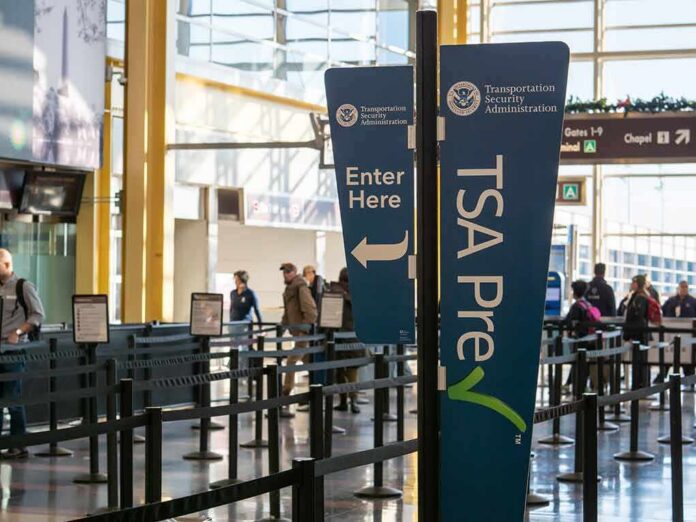
Immigration and Customs Enforcement officers have increased enforcement at major airports since early 2026. Reporters have described officers coordinating with Transportation Security Administration staff who verify identity and documents at checkpoints. Department of Homeland Security officials say they want to stop people who are in the country unlawfully from using domestic flights, except to depart the United States on their own. This shifts airport screening from pure security into an immigration status filter that can trigger an arrest.
Internal records reviewed by Reuters showed more than 800 arrests tied to airport-security tips from the start of President Trump’s current term through February 2026. That figure signals that information from Transportation Security Administration identity checks is producing concrete results for enforcement. National Public Radio reporting also described agents helping manage flows, verify identities using Transportation Security Administration equipment, and monitor terminal access points as part of planned operations, not ad hoc sweeps.
The legal basis ICE cites for airport arrests
Congressional Research Service explains that Immigration and Customs Enforcement authority to arrest and detain noncitizens comes from federal law, including 8 United States Code sections 1226 and 1357. Officers generally use administrative warrants. But the law allows warrantless arrests when there is reason to believe a person is removable and likely to escape before a warrant can be obtained. Supporters argue airports fit that standard because travel can make quick departure possible if officers wait.
Department of Homeland Security also frames airports as efficient interior checkpoints. Identity checks and federal databases can quickly reveal expired visas, final removal orders, or other status problems. This lets officers focus on people who already appear in government systems. However, the agency has not released comprehensive public data on total airport arrests, selection criteria, or case outcomes. That gap leaves outside observers to rely on media reports and individual stories to assess how the policy works in practice.
Who is being arrested and why it matters
Public reports say many airport detainees are people with status violations, including expired visas or pending applications, rather than only those with criminal records or active removal orders. Lawyers and advocates cite cases involving asylum seekers and applicants for green cards or work permits who were detained while following civil processes. Immigration and Customs Enforcement counters that a pending application by itself does not give legal status and does not block detention under immigration law.
#World | Trump supporter’s airport shock: Wife detained amid immigration crackdown
A California man who backed Donald Trump three times says his wife’s detention changed everything he believed about the president’s immigration crackdown.
Read More:https://t.co/J1M4l92rYq
— Moneycontrol (@moneycontrolcom) August 17, 2026
For travelers, the risk calculus has changed. Attorneys are warning clients that routine domestic travel can trigger status checks that lead to detention, even without a criminal record. For conservatives focused on border control and law enforcement, these arrests look like long-delayed interior enforcement finally moving where identity checks are strongest. For liberals worried about civil liberties and family stability, arrests at gates feel like surveillance spilling into daily life. Both sides share concern that opaque systems let powerful agencies act with little public oversight.
What to watch next: transparency, safeguards, and outcomes
Key questions remain open. How many arrests involve people with final removal orders versus those with pending cases? What share leads to removal, release on bond, or case closure? Clear data from Immigration and Customs Enforcement on charges, criminal history, and case outcomes would help test claims from both supporters and critics. Formal reviews by inspectors general or Congress could also examine how Transportation Security Administration data is shared and whether airport stops meet legal standards in each case.
Sources:
english.elpais.com, cnn.com, congress.gov, npr.org, usnews.com, visaverge.com