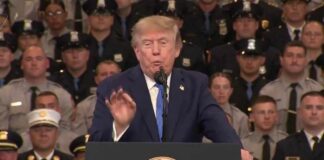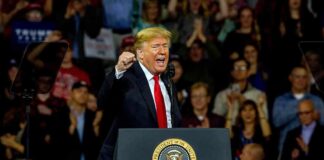
President Trump ordered a major cut to U.S.–South Korea military drills, calling big exercises “inappropriate and hostile” signals to North Korea and too costly.
Story Snapshot
- Trump directed a substantial reduction in joint drills, linking it to diplomacy and cost.
- Past U.S.–South Korea precedents reduced large drills to support talks with Pyongyang.
- A cited past exercise cost about $14 million, but broad cost data remain limited.
- Critics warn scaling back may weaken readiness and has failed before, they argue.
What Trump Ordered And Why It Matters
President Trump said he told Defense Secretary Pete Hegseth to scale back joint drills with South Korea. He argued large exercises send “inappropriate and hostile” signals to North Korea and waste money. He framed the move as support for diplomacy and de-escalation. South Korean media and U.S. outlets reported the order and quoted his rationale. The decision shifts a core piece of alliance policy and touches cost, deterrence, and stability on the peninsula.
Allies have used exercise changes before to back talks. In 2019, the United States and South Korea ended their massive spring drills and replaced them with smaller events. Leaders said the goal was to support diplomacy over North Korea’s nuclear program. That step showed this tool is not new and can be used to dial tension up or down. It also showed how military planning can serve a political strategy when leaders judge the timing is right.
Cost Claims And What We Actually Know
Trump called the drills expensive, but the public record here shows only a narrow window on cost. One canceled exercise was estimated at about $14 million by both Reuters and a Pentagon spokesperson. That number is real, but it does not cover the full annual price of the exercise portfolio. So the “too costly” claim has some support yet lacks a full audit. A deeper accounting would clarify savings and tradeoffs for readiness.
Supporters of reductions say large drills raise risk because North Korea treats them as threats. Reports over many years show Pyongyang often fires missiles near exercise windows and brands the events as invasion practice. Backers argue smaller drills keep skills sharp while lowering the chance of a spiral. They see signaling as part of a broader strategy to open space for talks and reduce misread moves in a tense region.
Alliance Friction And Readiness Concerns
Reporting indicates some gap with Seoul on this move. One account said South Korea stated exercises would proceed as planned, suggesting the allies were not fully aligned in public. That matters because the combined force depends on shared planning and consistent messaging. Any mismatch can feed doubts in both countries about who sets the pace and how shifts affect defense against North Korea’s growing capabilities.
Critics argue cutting major drills risks readiness and sends the wrong signal. Former U.S. ambassador to South Korea Harry Harris called reducing drills to spur talks a “proven path to failure.” Editorial voices in Seoul have also stressed that large exercises are key to interoperability and deterrence. They warn that easing training invites more tests from the North and widens gaps that are hard to close fast in a crisis.
What This Signals To Voters Tired Of Business-As-Usual
This decision taps into wider public frustration with how Washington handles war and peace. People on the right see waste and drift; people on the left see endless tension without results. Trump’s order promises savings and calm signals, but firm data and joint plans are thin in public view. Clear cost audits, readiness measures, and alliance coordination records would let citizens judge whether this is prudent de-escalation or risky shortfall.
#WIONPointCounterpoint | Punishment for Seoul, gift for Kim?
Trump cuts South Korea-US military drills
US to scale-back drills with South Korea@ShivanChanana speaks to Professor of Political Science at Pusan National University in Busan, South Korea, @Robert_E_Kelly for more pic.twitter.com/DRBjCisPNR
— WION (@WIONews) August 17, 2026
Key tests now are simple. First, do the allies publish a shared roadmap for training that protects combat skills? Second, does North Korea reduce tests or threats in the coming months? Third, does the Pentagon offer a transparent look at costs and outcomes? These answers would show if this cut trims fat while keeping the blade sharp, or if it trades near-term quiet for long-term risk in a very hard neighborhood.
Sources:
facebook.com, english.aawsat.com, pbs.org, news.sbs.co.kr, apnews.com, ynetnews.com, army.mil, koreatimes.co.kr, reuters.com