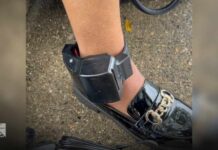
After a five-year probe, sheriff’s detectives say a Lompoc actor used fake casting calls to reach teen girls and now faces 24 felony child sex charges.
Story Snapshot
- Sheriff’s Office says arrest followed nearly five years of investigation.
- Felony counts include rape, child molestation, and possessing child sexual abuse material.
- Case grew from 15 to 24 counts after the initial booking, court date set.
- Detectives allege social media and bogus casting offers were used to contact minors.
Detectives Outline Arrest After Long Investigation
Santa Barbara County Sheriff’s Office announced the arrest of a Lompoc actor after a nearly five-year investigation into child sexual abuse and exploitation. Detectives said they booked him on felony charges that include child molestation, rape, forcible sexual assault, contacting a minor to commit a sexual offense, possessing child sexual abuse material, and giving harmful material to a minor. The agency said the case stems from work that began years earlier and involved search warrants and digital evidence review. Officials booked the suspect into county jail.
Local reporting states prosecutors later expanded the case. The total number of felony counts rose from 15 to 24 after the initial booking. The court has set a preliminary hearing for September 9, where a judge will decide if enough evidence exists to move forward. At arraignment, the defendant entered a not guilty plea, according to separate local coverage, which is routine at this stage. The Sheriff’s Office said the investigation remains active, and detectives urged anyone with information to come forward.
Alleged Use of Fake Casting Calls and Social Media
Investigators say the suspect used social media to reach teenage girls by posing as a filmmaker and offering casting opportunities. Coverage of the Sheriff’s account says detectives linked messages and outreach to professional names used by the suspect. Reports describe a pattern of online contact tied to promised roles or auditions that drew in minors. Detectives indicated that a search in 2022 produced thousands of digital files that they examined for evidence, which they say helped build the case.
Authorities and reporters have not released the exact number of complainants or how each of the 24 counts maps to specific acts, dates, or victims. That level of detail often appears later in court filings or at a preliminary hearing. Some reports differ on the defendant’s age and name spelling, a common issue in early coverage that does not change the charge list or court date. Officials emphasized the felony categories to show the range of alleged conduct under review.
How Digital Evidence Drives These Cases
Child exploitation investigations often rely on phones, computers, and cloud records. Police and prosecutors use digital forensics to recover deleted files, trace accounts, and tie devices to users. Research shows these tools can play a critical role in building cases when images, messages, and account logs must be linked to real people and dates. Large volumes of data also pose challenges for investigators who must review and classify files in a secure, lawful way.
Because child sexual abuse material is contraband, laws limit how it can be handled and shown. That can keep much evidence out of broad public view while still allowing courts and defense teams to review it under strict rules. As a result, the public record before a preliminary hearing can look thin, even when investigators say they have detailed digital proof. Courts use the hearing to test whether the government has enough evidence to proceed to trial.
Why This Case Resonates Beyond Hollywood
Parents across the political spectrum worry about adults using social media to reach teens. This case highlights those fears. Detectives say the suspect used status claims and job offers to win trust online. That tactic works when people are eager for a break and do not know who stands behind a profile. The lesson is simple: verify the person, the offer, and the company, and do not meet alone or send sensitive images, especially when the contact starts online.
Actor Shane Ryan Gledhill faces 24 felony charges in child abuse case https://t.co/HbWhj8gXnT
— Jerry Dean Bowers (@vipertoxin) August 15, 2026
Readers also see a system problem. It took years to sort through digital evidence and reach the arrest stage. Many feel the system moves too slowly, leaves families in the dark, and protects insiders over victims. The Sheriff’s Office says more victims may exist and asked for tips. That appeal shows the limits of government reach on its own. Community reporting, platform cooperation, and careful verification remain vital when safety depends on catching red flags early.
Sources:
nypost.com, sbsheriff.org, independent.com, instagram.com, youtube.com, keyt.com