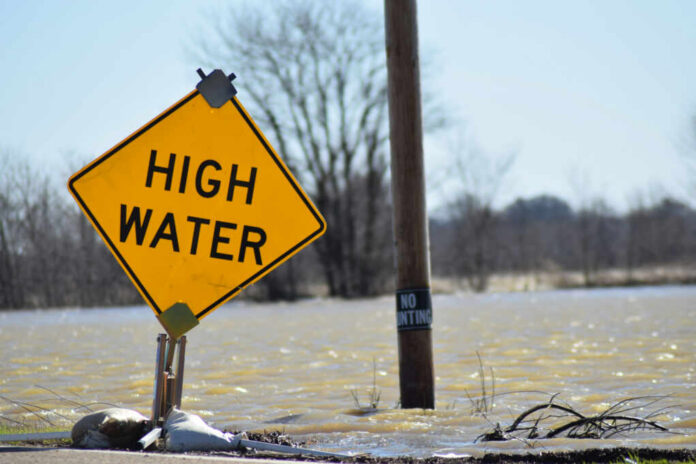
A so-called “weak” first storm of the season is lining up to dump life‑threatening floodwaters on the Gulf Coast while many communities are still battling high prices and aging flood defenses.
Story Snapshot
- Tropical Storm Arthur, the first Atlantic storm of 2026, is set to unleash dangerous flooding from Texas to the Florida Panhandle.
- National Hurricane Center forecasters warn of 5–10 inches of rain, with isolated pockets near 20 inches across the Gulf states.
- Millions of Americans are under tropical storm warnings and flood watches as already‑strained local systems prepare for more federal involvement.
- For Gulf Coast families, Arthur is another reminder that personal readiness and strong local control matter more than distant bureaucracies.
Arthur’s Real Threat: Water, Not Wind
Tropical Storm Arthur may only have winds around 40 to 45 miles per hour, but officials say the real danger is water, not wind.[5] The National Hurricane Center reports that Arthur is a messy cluster of storms that has already soaked parts of eastern Mexico and the Gulf before organizing near the Texas coast.[5] Forecasters expect the storm to stay short‑lived, likely fading by late Wednesday or early Thursday, yet to drop enormous amounts of rain while it lasts.[1]
Government forecasters expect Arthur to produce five to ten inches of rain, with some areas possibly taking on close to twenty inches from the mid and upper Texas coast into Louisiana, Mississippi, Alabama, Georgia, and the Florida Panhandle.[6] That kind of rainfall can overwhelm drainage systems, swamp city streets, and turn low‑lying neighborhoods into lakes in a matter of hours.[6] Flash floods can trap drivers in their cars and cut off rural roads that families rely on for work, school, and medical care.
Gulf Coast On Alert As Flood Watches Spread
The National Hurricane Center has issued a tropical storm warning covering roughly three hundred fifty miles of shoreline from Texas into Louisiana, putting millions along the Gulf on notice.[4] The latest advisories place Arthur’s center just northeast of Port O’Connor, Texas, moving to the northeast at about nine miles per hour toward Louisiana and Mississippi.[4] As this slow‑moving system tracks inland, heavy rain bands will spread well beyond the coastline, soaking communities far away from the storm’s center.[7]
Emergency briefings report that nearly twenty‑six million people are under flood watches from south Texas to Mississippi, reflecting how wide Arthur’s rain shield has grown.[3] National Hurricane Center director Michael Brennan has warned that “prolonged rainfall may extend the flood threat into the weekend,” meaning this is not just a quick hit and done event.[7] That extended timeline matters for families who may lose work days, face power outages, or have to leave their homes while still dealing with high energy costs and stubborn inflation.
Storm Surge, Rip Currents, And Tornadoes Add To The Risk
Along the coastline, Arthur’s steady onshore winds will push water inland, combining with normal tides to flood areas that are usually dry.[1] Even if the surge is not as dramatic as a major hurricane, it can still invade roads, parking lots, and ground‑level homes and businesses that sit just a few feet above sea level.[4] The storm is also kicking up strong swells that government forecasters say will create life‑threatening surf and rip currents along the northwestern Gulf Coast for the next couple of days.[6]
🚨🚨Tropical Storm Arthur formed Wed in the Gulf off Texas, becoming the first named system of the 2026 Atlantic hurricane season. The storm is forecast to bring life-threatening flash flooding to portions of Texas, Louisiana, Mississippi, Alabama, Georgia & Florida.🌴
— LeftLaneLois 🐸🐸Frogs Unite (@lois_left) June 17, 2026
Meteorologists also warn that a few tornadoes are possible from the upper Texas coast through southern Louisiana, Mississippi, Alabama, and the western Florida Panhandle as Arthur moves inland.[6] These spin‑up tornadoes form quickly in the outer rain bands and can strike with little warning, tearing roofs, knocking out power, and making already dangerous flooding even harder to manage.[1] For families who live in mobile homes or older construction, this combination of threats makes early planning and clear local leadership essential.
Resilient Communities Versus Distant Bureaucracy
For many on the Gulf Coast, Arthur feels like a replay of a familiar story: Washington talks, while local neighbors sandbag doors, move furniture upstairs, and check on elderly relatives. Federal agencies can help with forecasts and some funding, but they cannot rescue someone from a flooded truck at two in the morning or decide which back road is still safe to drive. That responsibility falls on sheriffs, local emergency managers, church groups, and individual citizens who know their communities best.
Years of federal overspending and one‑size‑fits‑all rules have not fixed aging levees, clogged drainage ditches, or weak building codes in many flood‑prone areas. Families who already face high insurance costs and rising property taxes now confront another round of storm damage that can wipe out savings in a weekend. Conservative principles of local control, strong families, and personal readiness are not abstract ideas here; they are the difference between order and chaos when the water rises.
How Gulf Coast Families Can Prepare Right Now
As Arthur approaches, basic steps can protect lives and property without waiting on a press conference from a far‑off agency. Families should review their flood insurance, store key papers in watertight containers, and keep a simple go‑bag with medicines, flashlights, and several days of supplies. Drivers should avoid flooded roads, since most flood deaths happen in vehicles; if you cannot see the pavement, you should not try to cross.[6] Simple choices like parking on higher ground and clearing yard drains can make a real difference.
Neighborhoods grounded in faith and family are already doing what they always do when trouble comes: sharing updates, opening homes, and checking on those who live alone. Those ties build real resilience that no bureaucracy can replace. As Tropical Storm Arthur tests the Gulf Coast again, this is another reminder that freedom, responsibility, and strong local communities remain the best defense against both violent weather and heavy‑handed government responses that often follow.
Sources:
[1] Web – Dangerous flooding from Tropical Storm Arthur, first of the Atlantic …
[3] Web – Tropical Storm Arthur Possible Off Texas Coast Briefly Tomorrow
[4] Web – Tropical Storm Arthur Forecast to Deliver Boatloads of Rainfall to …
[5] Web – Recap: Tropical Storm Warnings issued as first storm of season …
[6] Web – The National Hurricane Center has issued its first advisory on …
[7] Web – NHC – NOAA