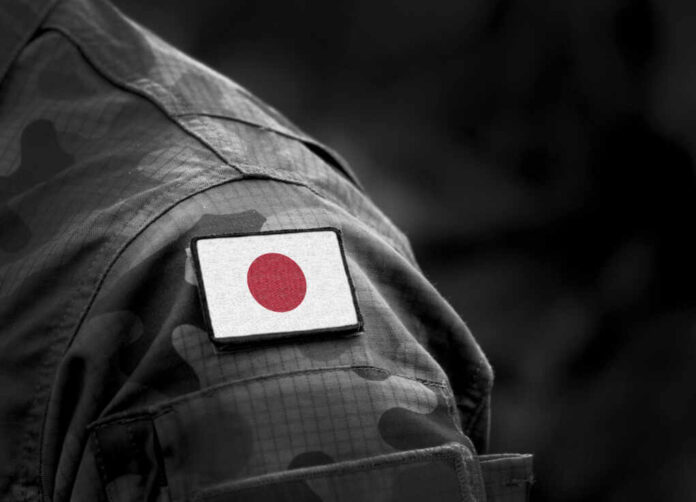
Japan is significantly increasing its defense spending, aiming to reach 2% of its Gross Domestic Product (GDP) by March 2026, a year ahead of its original schedule. This decision, led by Prime Minister Sanae Takaichi, comes in response to perceived threats from China, North Korea, and Russia, and aligns with persistent calls from the United States for Japan to bolster its regional security role. The move marks a notable shift from Japan’s postwar pacifist stance and is expected to be a key topic during President Trump’s upcoming summit in Tokyo.
Story Highlights
- Prime Minister Sanae Takaichi has advanced Japan’s defense spending target to 2% of GDP by March 2026.
- This acceleration is attributed to regional threats from China, North Korea, and Russia, and U.S. demands for increased military investment.
- The ruling coalition faces parliamentary challenges in passing record defense budgets, which include allocations for advanced weaponry and unmanned systems.
Japan’s Military Buildup: Constitutional Considerations and Strategic Adjustments
Prime Minister Sanae Takaichi’s administration is implementing a policy that moves Japan’s military spending to 2% of GDP earlier than planned. This accelerated timeline is presented as a direct response to escalating regional activities, including actions by China, North Korea’s missile launches, and Russia’s military maneuvers near Japanese territory. The decision also aligns Japan with NATO’s defense benchmarks and addresses requests from the United States for a stronger regional security partner. This development, which deviates from Japan’s informal defense spending cap of nearly half a century, is anticipated to prompt discussions regarding Article 9 of the constitution, which limits Japan’s use of military force.
Japanese PM Promises Further Increase in Defense Spending https://t.co/Usa3dx0wJc
— Steve Ferguson (@lsferguson) October 24, 2025
The Japanese government is tasked with securing approval for increased defense budgets in a parliament where the ruling coalition has lost its majority. The proposed FY2025 budget is approximately $60 billion, with additional security expenses bringing the total to $66 billion. These allocations are intended to fund the procurement of advanced weaponry, unmanned systems, and long-range munitions. Concerns have been raised by critics that these priorities may impact social spending and public finances. Opposition lawmakers have called for greater transparency and debate as Japan’s security policies undergo revision.
U.S. Influence and Alliance Dynamics
President Trump’s forthcoming summit in Tokyo is expected to highlight the role of U.S. influence on Japan’s defense agenda. The U.S. administration has consistently encouraged Japan to increase its share of the security burden in East Asia and to acquire additional American military equipment. While this stance is consistent with broader conservative perspectives on national defense, these demands could necessitate difficult choices for the Japanese government. The alliance remains a central component of both nations’ security strategies, but American expectations for increased Japanese spending and cooperation could test Japan’s diplomatic and fiscal flexibility. The Takaichi administration is navigating the balance between alliance obligations and domestic political and constitutional considerations.
Japan’s expanded military capabilities have also initiated discussions about regional stability. Analysts have suggested that accelerated defense spending could contribute to an arms race, particularly with China and North Korea observing Japan’s actions. Some commentators argue that while these investments may enhance deterrence and alliance credibility, they could also potentially lead to further escalation, affecting long-term security in East Asia. The shift in defense posture, combined with parliamentary dynamics and public debate over constitutional changes, indicates a period of adjustment for Japan’s defense and foreign policy.
Historical Context and Perspectives
Defense analysts generally agree that Japan’s accelerated military buildup signifies a fundamental change in its postwar security approach. The move to exceed the informal 1% GDP defense cap and revise the timeline for military spending represents a realignment with U.S. and NATO standards. This addresses the long-standing American concerns about Japan’s readiness and alliance commitments. However, scholars and commentators have expressed reservations about the sustainability of such rapid expansion, citing Japan’s demographic and economic challenges. Constitutional scholars are noting the potential implications of reinterpretations of Article 9, which could reshape Japan’s legal framework for defense and security policy.
The broader effects of Japan’s defense buildup are anticipated to extend to taxpayers, defense contractors, and local communities hosting military bases. While domestic and U.S. defense industries are projected to benefit, the financial impact on Japanese citizens raises questions about long-term affordability and national priorities. Public discourse regarding militarization and pacifist traditions is intensifying, with opposition voices gaining prominence following recent coalition losses. As Japan enters this new phase of security policy, international observers are monitoring how these changes will influence regional stability, U.S.-Japan relations, and the future of constitutional pacifism.
Watch the report: Japanese Prime Minister Sanae Takaichi Increases Defense Budget
Sources:
Japan’s Defense Spending: Trends and Challenges
Japan’s New Leader Vows to Boost Defence Spending Amid Regional Tensions