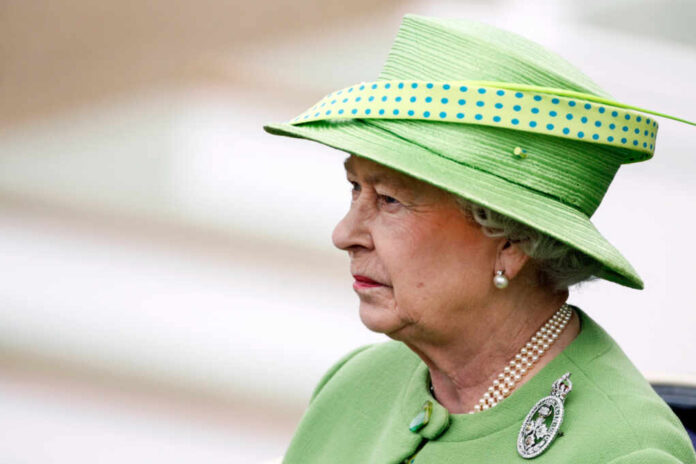
British taxpayers are footing a bill of up to £46 million for a Queen Elizabeth II memorial that quietly ditched its original design. The controversial project replaced an equestrian statue, which would have honored her legendary horsemanship, with a standing figure that bureaucrats now claim was always the intended plan. This design shift emphasizes the late monarch’s constitutional role as Head of State, but the substantial, publicly-funded cost has drawn criticism from anti-monarchy groups. Final designs for the commemorative landscape in St James’s Park are scheduled for public unveiling in April 2026.
Story Highlights
- Memorial committee abandoned equestrian statue design despite Queen Elizabeth II’s renowned passion for horses and riding.
- Sculptor Martin Jennings confirms standing statue will emphasize her role as head of state, following Windsor family tradition.
- Project costs between £23 million and £46 million in taxpayer funds, drawing criticism from anti-monarchy groups.
- Final designs scheduled for April 2026 unveiling at St James’s Park near Buckingham Palace.
Design Shift From Equestrian Vision to Standing Pose
Martin Jennings, the sculptor commissioned for the primary memorial statue, announced the Queen’s monument will depict her in a standing position rather than on horseback as initially illustrated. The Cabinet Office clarified that earlier renderings showing the Queen mounted were merely conceptual tools to demonstrate scale and location, not definitive design commitments. Jennings explained his decision centers on emphasizing Elizabeth’s constitutional role, stating his design “will emphasise her role as Head of State and proudly follows a sculptural tradition that shows kings and queens from the House of Windsor in standing position.”
Queen Elizabeth II statue will be standing and not on horseback https://t.co/3ihZXwPdGq
— BBC News (UK) (@BBCNews) January 23, 2026
Multi-Million Pound Memorial Project Details
The comprehensive memorial project encompasses far more than a single statue, transforming St James’s Park into a commemorative landscape. Architect Lord Norman Foster leads the overall design, which includes a “family of gardens” with meandering paths, a translucent glass unity bridge inspired by the Queen’s wedding tiara, and multiple sculptural elements. Sculptor Karen Newman will create a secondary figurative sculpture positioned on Birdcage Walk, offering what she describes as a portrayal combining “elements of her life in the sculpture, showing her both as an icon and as an individual.”
Taxpayer Funding Controversy
The memorial’s price tag ranges from £23 million to £46 million, entirely funded through government allocation rather than private royal family resources. Anti-monarchy group Republic criticized this funding arrangement, arguing the royal family should bear the financial burden for commemorating their own. The substantial cost raises questions about fiscal priorities during times when many British families struggle with cost-of-living pressures inherited from years of government overspending. These concerns reflect broader frustrations about public money allocated to projects that could be privately funded by Britain’s wealthiest family.
Historical Context and Timeline
Plans for the national memorial emerged following Queen Elizabeth II’s death in September 2022 after her 70-year reign. Initial concept art released in 2024 featured the equestrian design, capitalizing on her well-documented lifelong passion for horses and exceptional riding skills. Jennings received his commission in fall 2024, and the design revision became public in early 2026. The memorial site in St James’s Park near Marlborough Gate positions the new monument close to existing memorials honoring Queen Elizabeth’s parents, King George VI and Queen Elizabeth, providing historical continuity for the monarchical commemoration.
Final designs are scheduled for public unveiling in April 2026, coinciding with what would have been Queen Elizabeth’s 100th birthday. Jennings will also sculpt a statue of Prince Philip, the late Duke of Edinburgh, positioned near the Queen’s statue on The Mall, strengthening the memorial’s emphasis on their partnership throughout her reign. The project remains in active design refinement as the memorial committee coordinates with King Charles III, who maintains final approval authority over the tribute to his mother.
Sources:
- New twist in Queen Elizabeth II memorial plans unveiled – Royal Central
- Queen Elizabeth II statue will be standing and not on horseback
- London statue of Elizabeth II will see Queen standing despite original design | The Independent