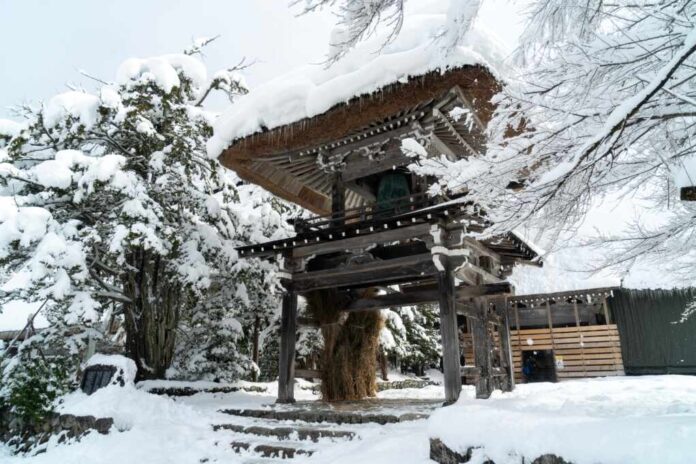
More than 100 visitors and worshippers found themselves trapped overnight in a Japanese mountaintop shrine after heavy snowfall completely cut off road access. This incident highlights the severe winter conditions and critical infrastructure vulnerabilities plaguing the region, demonstrating the challenge of maintaining preparedness when weather deteriorates rapidly in remote mountainous areas.
Story Highlights
- Over 100 individuals stranded at mountain shrine due to impassable snow-blocked roads.
- Heavy snowfall created dangerous travel conditions across Japanese mountain regions.
- Emergency shelter situation demonstrates winter weather preparedness challenges.
- Incident underscores infrastructure vulnerabilities during extreme weather events.
Emergency Shelter Situation Unfolds
Heavy snowfall in Japan forced more than 100 people to seek emergency shelter in a mountaintop shrine when accumulating snow made road access impossible. The unexpected weather event trapped visitors and worshippers who had traveled to the religious site before conditions deteriorated rapidly. Local authorities confirmed that the group remained safe inside the shrine structure while awaiting rescue or road clearance operations to restore access to the isolated location.
More than 100 shelter overnight in Japan shrine due to heavy snow https://t.co/25jOMz7tTW
— BBC News (World) (@BBCWorld) January 3, 2026
Winter Weather Impact on Transportation
The severe snowfall that trapped the shrine visitors reflects broader transportation challenges facing Japan during winter months. Mountain roads become particularly vulnerable to sudden weather changes, creating dangerous conditions that can isolate communities and strand travelers within hours. Emergency services face significant logistical hurdles when responding to incidents in remote mountainous areas where heavy equipment access becomes limited or impossible during major snow events.
Shrine Provides Critical Emergency Shelter
Traditional Japanese shrines often serve dual purposes as spiritual centers and community gathering places during emergencies, demonstrating their continued relevance in modern disaster preparedness. The sturdy construction of religious buildings typically provides adequate protection from harsh weather conditions, making them natural shelter options when other facilities remain unavailable. This incident highlights how cultural and religious infrastructure can play vital roles in emergency response, particularly in remote areas where conventional shelters may not exist nearby.
Watch the report: More than 100 shelter overnight in Japan shrine due to heavy snow
Sources:
- More than 100 shelter overnight in Japan shrine due to heavy snow
- Japan Snowstorm Forces 130 People to Shelter at a Shrine
- 130 Shrine Visitors in Japan Unable to Return Home Due to Snow; Shrine Located 1,000 Meters Up Mountain
- Over 100 people spend night in Japanese shrine due to snow – Zamin.uz, 03.01.2026