A California State University professor named a federal immigration officer and pointed a crowd to his suspected hotel, turning a policy fight into a personal target, according to multiple reports.
Story Snapshot
- Reports say Melina Abdullah named a U.S. immigration officer and cited a nearby hotel during a public event.
- Coverage quotes Abdullah using aggressive language that critics call a call to attack.
- The officer’s name was reportedly already public from an earlier filing, shifting focus to location and rhetoric.
- The episode raises hard questions on doxxing, incitement, and faculty speech under the First Amendment.
What Reports Allege Happened at the Event
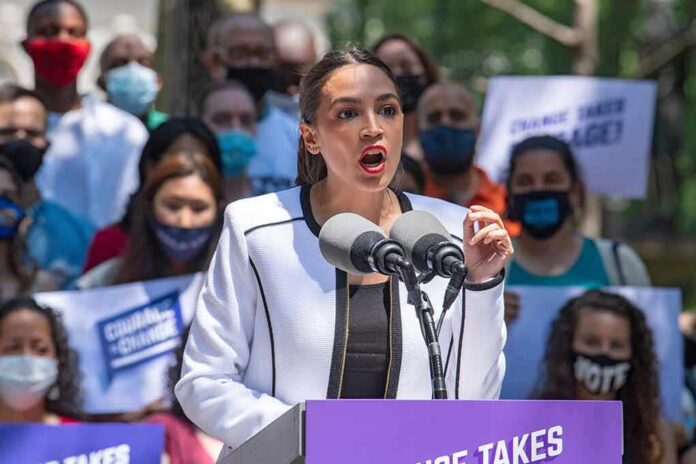
Reports from the Washington Times, Townhall, and the New York Post say Cal State Los Angeles professor Melina Abdullah named a U.S. Immigration and Customs Enforcement agent during a weekend gathering in California and pointed the crowd to his suspected hotel. The Washington Times quotes her saying, “You see the devil right there, f— him up,” and, “There should be nowhere that they go where they are comfortable”. Townhall and the New York Post similarly describe naming the agent and the hotel location.
The Washington Times identifies the officer as Brian Palacios and notes his name had already appeared in a child-custody filing months earlier. That detail suggests the debate centers more on the hotel reference and charged language than on identity alone. The outlets frame the event as a left-leaning summit or socialist conference, reflecting slight differences in how the gathering is described, though all place the remarks in Oxnard, California area settings.
Why This Strikes a Nerve on Left and Right
Conservatives see this as proof that some activists target law enforcement officers at a personal level. Liberals who oppose aggressive immigration enforcement also tend to reject tactics that risk harassment or harm. Both sides worry that elites and institutions play by different rules, and that ordinary people pay the price. When a professor tied to a public university is accused of pointing a crowd to a named officer’s location, many see a line crossed, regardless of party.
The clash lands in a wider fight over doxxing and incitement. Legal scholars say incitement requires intent and a likelihood of imminent lawless action. That standard is hard to meet, which is why many cases turn on context and evidence, not headlines. Still, publishing or shouting out someone’s real-time location can fuel intimidation, even if it falls short of criminal incitement under current law.
What We Know, What We Do Not
We have several press reports describing the same core acts: naming the agent and pointing to a hotel. We do not have a full event transcript or an official investigative record in this research package. The materials here do not show whether any threats or assaults followed. The reports also do not establish whether Abdullah spoke in an official university role or strictly as a private citizen at an outside event.
The Washington Times quotes language that sounds like a call to attack, while some coverage elsewhere suggests she framed the phrase as broader pressure on the agency, not a direct order. The exact video context and sequence would matter in any legal or disciplinary review. Absent full footage, the strongest shared fact pattern remains the identity and location disclosure linked with hostile rhetoric, as outlined across multiple outlets.
Why This Matters for Campuses and Public Safety
Public universities must balance faculty speech rights with safety. Courts protect wide spaces for political speech, yet doxxing and targeted harassment raise real risks to public servants and their families. Research and policy groups warn that publishing live location details can enable intimidation, even if it is not always illegal. That tension puts pressure on campus leaders to protect debate while setting clear lines against personal targeting.
🇺🇸 Cal State LA professor Melina Abdullah is facing calls for criminal charges after a video showed her doxxing an ICE agent.
She named the agent, telling a crowd where he was believed to be staying and repeatedly saying “f— him up” at a Sunday summit in Oxnard, California.…
— NewsForce (@Newsforce) September 8, 2026
For readers across the spectrum, the takeaway is simple. We can argue about immigration policy all day. We should not turn policy debates into personal hunts. Americans who fear an unaccountable system see incidents like this as more proof that the rules are broken. The path forward is firm, even standards: protect speech, reject personal targeting, and insist on facts, evidence, and due process before judgment.
Sources:
washingtontimes.com, townhall.com, dailywire.com, youtube.com, latimes.com