A United Nations investigation says Iranian authorities committed crimes against humanity during and after the 2022 protests, yet no clear court path exists to hold top officials to account.
Story Snapshot
- UN investigators found murder, torture, rape, and other abuses in Iran’s 2022 crackdown amount to crimes against humanity.
- The UN Special Rapporteur urged prosecutions for past atrocities, including the 1988 mass executions.
- Iran denies the findings and labels the process biased, while most detainees were said to be released.
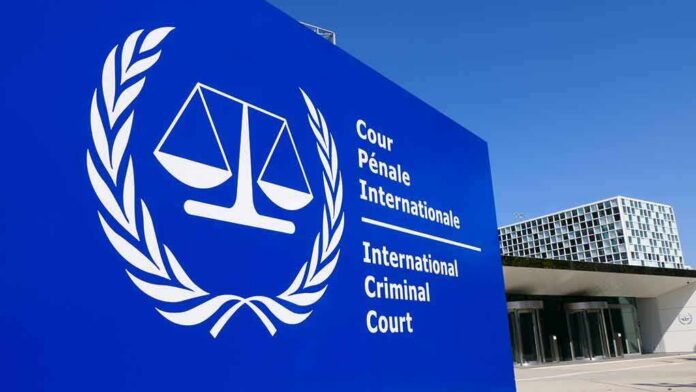
- Iran is not in the International Criminal Court system, complicating trials of senior officials.
UN Findings Detail a Widespread and Systematic Attack
The United Nations Fact-Finding Mission reported that Iranian security forces carried out murder, imprisonment, torture, rape, enforced disappearance, and persecution during the 2022 protest crackdown. The report said these acts formed part of a widespread and systematic attack on civilians, which meets the legal frame for crimes against humanity under international law. A UN briefing and mission summaries stressed that serious abuses targeted women, girls, and minority groups, and that patterns of violence and impunity persisted into 2025.
The UN Special Rapporteur on human rights in Iran reached similar conclusions on earlier atrocities. He found the 1981–1982 and 1988 crackdowns included crimes against humanity such as murder, extermination, torture, and enforced disappearance, and urged investigations and prosecutions. His office said Iranian authorities have long denied these crimes and have not brought perpetrators to justice, reinforcing a picture of institutional impunity. Amnesty International added that systemic impunity continues today for grave violations.
Iranian Government Response and Disputes Over Bias
Iran’s ambassador to the United Nations rejected the 2022 findings as biased and warned the Human Rights Council against politicization and stereotyping. He stated that all detainees, except those accused of murder with private complaints, had been released. Iran has also opposed some proposed legal changes on crimes against humanity within UN legal debates, citing the principle of individual criminal responsibility and arguing that current international law already allows prosecution of such crimes. These responses challenge the process but do not supply alternative verified accounts.
Human rights groups and UN experts counter that denial strategies have followed a pattern. They point to photos, videos, and eyewitness testimony that document shootings, torture, and sexual violence. The Special Rapporteur said an international mechanism is needed to investigate and prosecute those responsible, given the lack of credible action inside Iran. Amnesty International’s recent country reporting states that large-scale crimes and cover-ups have gone unpunished for decades.
Legal Paths: Universal Jurisdiction and Its Limits
Iran is not a party to the Rome Statute that created the International Criminal Court (ICC), and it has not incorporated crimes against humanity into domestic law, which complicates international prosecutions. Human Rights Watch notes that national courts in other countries can still bring cases under universal jurisdiction for the most serious crimes, depending on their own laws. A prior Swedish case against an Iranian official shows that such prosecutions are possible, but they remain rare and hard to scale across many suspects.
Without a clear court venue, accountability efforts often hinge on preserving evidence and building cases fit for future trials. UN investigators have gathered victim and witness accounts, medical records, and patterns of command behavior to link abuses to senior decision-makers. Advocates say more steps would help, including public release of interview methods, forensic work on burial sites, and testimony from former officials. Those measures could convert broad findings into charge sheets against named individuals.
Why This Matters for Americans Across the Aisle
Americans of many views see a pattern where powerful actors dodge rules that bind everyone else. When a government can harm its own people and face no real court, it undercuts the promise that law can protect the weak. Conservatives may focus on security threats and the danger of appeasing hostile regimes. Liberals may stress human rights and the duty to defend dissent. Both see a system that too often protects elites and leaves victims in the cold.
What to Watch Next
Watch whether more countries open universal jurisdiction cases that target named Iranian officials for crimes against humanity. Track any United Nations steps to strengthen evidence preservation or to seek Security Council action, even if a referral faces global politics. Follow whether governments tie sanctions and travel bans to documented abuses in the UN record. Each move will test if the world can match strong words with tools that bring real accountability, case by case, person by person.
Sources:
joehoft.com, iranhumanrights.org, state.gov, ohchr.org, amnesty.org, globalr2p.org, hrw.org, iranwire.com