As U.S. jets hit more than 80 Iranian targets over shipping attacks, both Washington and Tehran now claim the other side broke the peace deal — and ordinary people are left to pay the price.
Story Snapshot
- U.S. Central Command (CENTCOM) struck over 80 Iranian targets after attacks on three commercial ships near the Strait of Hormuz.
- CENTCOM says Iran’s actions were “unwarranted” aggression that violated a ceasefire and a memorandum of understanding.
- Iranian officials deny responsibility for the ship attacks and accuse Washington of breaking the same agreement.
- Oil prices jumped sharply and fears of a wider war grew as Trump attended a North Atlantic Treaty Organization (NATO) summit abroad.
What CENTCOM Says Happened And Why It Struck
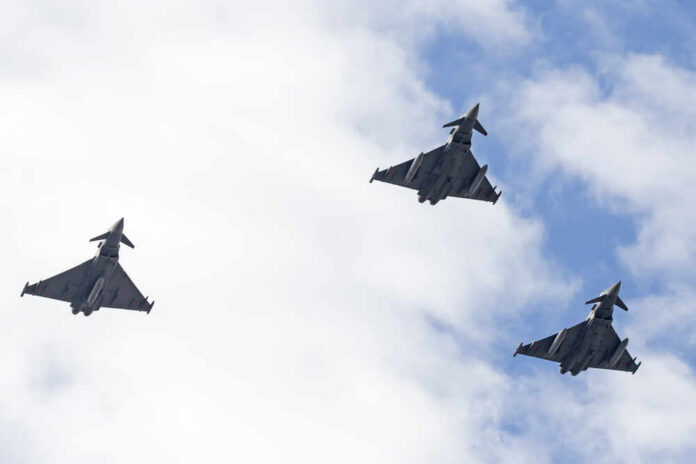
U.S. Central Command (CENTCOM) says its forces carried out strikes on more than 80 targets inside Iran after three commercial vessels were attacked near the Strait of Hormuz. The ships named in reports include MT al-Rakayat, MT Wedion, and Cypress Prosperity, all crewed by civilians moving oil and goods through an international waterway. CENTCOM called the attacks “unwarranted, dangerous, and a clear violation of the ceasefire,” and said the goal was to impose heavy costs on Iran for hitting civilian shipping.
Military officials said the United States targeted radar sites, drone control centers, air defense systems, coastal missile batteries, and facilities used to launch one‑way attack drones and anti‑ship cruise missiles. Some strikes focused on surveillance and communications hubs that help Iran track and threaten ships moving through the strait. Earlier operations in the crisis also hit Iranian small boats and mine‑laying capabilities, part of a broader effort to reduce Iran’s ability to harass or block trade routes that matter to the entire global economy.
How Iran Is Pushing Back On The U.S. Narrative
Iranian leaders admit U.S. strikes hit targets on Qeshm Island and near key southern ports, but they reject blame for the original attacks on commercial vessels. A Foreign Ministry spokesperson called the accusations “perplexing” and said they violated good neighborly relations, framing Iran as a victim of false claims rather than an aggressor. Deputy Foreign Minister Kazem Gharibabadi went further, calling the U.S. strikes a “blatant violation” of Article 10 of the memorandum of understanding and insisting Iran has the right to manage traffic in the Strait of Hormuz under that deal.
Tehran argues that Washington broke the spirit of the agreement twice, first by revoking a waiver that let Iran export limited oil and then by launching the latest wave of strikes. Iranian state media highlights explosions at radar sites, naval bases, and air defense positions as proof of U.S. escalation. What Iran has not done is share detailed radar logs, video, or debris analysis that directly refutes CENTCOM’s claim about who hit the ships, leaving the world with two clashing stories and little independent proof either way.
The Ceasefire, The MoU, And A Dangerous Legal Gray Zone
Both sides tie their arguments to a ceasefire and a June memorandum of understanding, but they disagree on what those documents allow. CENTCOM says Iran broke the ceasefire by attacking civilian ships in international waters and by using drones and missiles near agreed‑upon routes, making U.S. strikes a necessary response. Iranian officials say they are defending their right to control shipping near their coast and that the United States violated Article 10 of the memorandum by hitting Iranian territory instead of working through joint mechanisms.
𝗜𝗥𝗔𝗡 𝗖𝗘𝗔𝗦𝗘𝗙𝗜𝗥𝗘 𝗖𝗢𝗟𝗟𝗔𝗣𝗦𝗘
8 July 2026: The US-Iran ceasefire, built on the 17 June memorandum of understanding, unraveled in a sequence that moved from tanker strikes to a declared end of diplomacy within 48-hours.
• Iran struck at least three commercial… pic.twitter.com/WSMPQbZrdS
— OSINT Intuit™ (@UKikaski) July 8, 2026
Neither government has released the full text of the memorandum or a neutral legal ruling, so Americans and Iranians must take leaders at their word. International experts warn that this pattern—using vague ceasefire language and disputed shipping incidents—has become a repeat cycle in the Strait of Hormuz crisis. Each new clash chips away at trust in agreements and feeds the sense, on both the left and the right, that powerful elites sign deals they can break whenever it suits them, while regular people live with the fallout.
Oil Prices, War Fears, And Why Ordinary People Feel Betrayed
Global oil markets spiked by more than fifty percent after the latest strikes and ship attacks, driving up gas, heating, and transport costs for families far from the battlefield. The operation unfolded while President Donald Trump attended a North Atlantic Treaty Organization summit, prompting questions about timing and whether battlefield decisions are now made with one eye on global optics instead of careful debate in Congress. For many Americans, this looks less like “America First” and more like another elite‑managed crisis that hurts workers, retirees, and small businesses.
Conservatives who are tired of endless wars and high energy bills see another foreign clash that risks U.S. troops while keeping gas prices unstable. Liberals who worry about inequality and human rights see a conflict that may expand, with little public oversight and civilians in the region caught between missiles and sanctions. Both sides watch agencies like CENTCOM trade strikes with Iran and feel that Washington’s priorities are clear: protect shipping lanes, manage global markets, and argue over legal fine print—while the basic promise that hard work can lead to a stable life grows weaker at home.
What This Crisis Reveals About Power And Accountability
The Strait of Hormuz has become a pressure point where Iran and the United States both use commercial ships and legal claims as tools in a larger struggle for leverage. Operations like “self‑defense strikes” and retaliatory raids fit a broader pattern from the 2026 Iran war, when both sides hit each other’s assets around the strait to gain bargaining power. Today’s clash over three vessels and more than 80 targets is another chapter in that story, and it reinforces a hard truth many Americans already sense: when powerful states fight, the first concern is leverage, not the everyday citizen.
Key facts in this crisis are still contested, and more transparency—such as full release of the memorandum of understanding, ship logs, and independent forensic reports—would help people judge who broke which rules. Until that happens, the gap between official narratives and public trust will keep growing. For a country founded on checks, balances, and open debate, that widening gap may be as dangerous in the long run as any missile or drone launched over the Strait of Hormuz.
Sources:
youtube.com, centcom.mil, komonews.com, facebook.com, cnn.com, iranintl.com, aljazeera.com, cbsnews.com, reuters.com, crisisgroup.org, axios.com