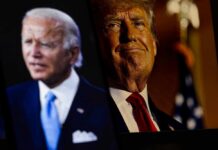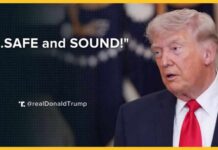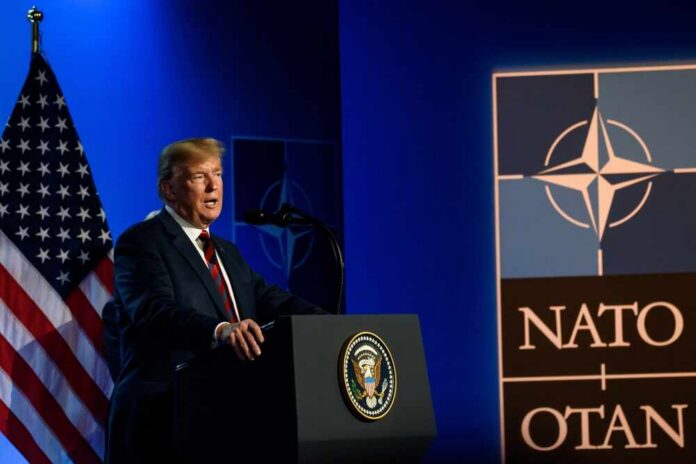
President Trump delivers a stark warning to NATO, declaring the alliance a “paper tiger” that fails America during its hour of need in the war against Iran, fueling calls for U.S. withdrawal.
Story Highlights
- Trump blasts NATO for zero support in defending the Strait of Hormuz against Iran’s blockade amid 27+ days of U.S. operations.
- U.S. President states “We help NATO, but they’ll never help us,” labeling allies unreliable in a true crisis.
- Trump “strongly considering” pulling the U.S. out of NATO, praising Middle East partners like Bahrain and Kuwait instead.
- Remarks expose deep transatlantic rift, with U.S. taxpayers footing most bills while Europe sits out Middle East conflicts.
Trump’s Direct Rebuke of NATO Inaction
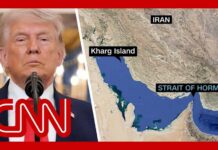
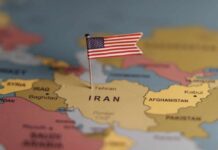
President Donald Trump publicly scolded NATO for providing no assistance during U.S. military operations against Iran. U.S. and Israeli forces conducted strikes over 27 days to counter Iran’s blockade of the Strait of Hormuz, a vital global oil route. Trump emphasized, “NATO has done absolutely nothing… we’ll come to understand that.” He contrasted this with supportive Middle East allies like Bahrain and Kuwait, who stepped up where NATO failed. This moment highlights America’s outsized burden in the alliance, echoing long-held frustrations over unequal contributions that drain U.S. resources.
Escalating Threats of U.S. Withdrawal
In late March 2026 interviews with The Telegraph and Reuters, Trump revealed he is “strongly considering” a U.S. exit from NATO and “absolutely” open to withdrawal if allies refuse greater support. He warned NATO would abandon America in “the big one,” calling it a “paper tiger” unfit for real threats. As NATO’s largest funder, contributing hundreds of billions annually, the U.S. holds leverage. Trump’s stance prioritizes reciprocity and American primacy, challenging decades of one-sided commitments that benefit Europe at taxpayer expense.
Historical Context and Burden-Sharing Failures
NATO, formed in 1949 for collective defense under Article 5—invoked once after 9/11 with U.S. leadership—has long drawn Trump’s criticism. He labeled it outdated in the 1980s due to Europe’s low defense spending, below the 2% GDP target he pushed to 5%. During the current U.S.-Iran war, NATO’s Secretary General praised strikes but declined involvement, deeming the conflict outside alliance scope. This refusal, amid Iran’s terror sponsorship, underscores persistent imbalances where America defends global trade routes alone while allies prioritize restraint over solidarity.
Implications for American Interests and Global Security
Trump’s rhetoric intensifies transatlantic tensions, risking U.S. unilateralism in the Middle East and a pivot to reliable non-NATO partners. Short-term, it pressures allies; long-term, withdrawal could save billions for American taxpayers and erode NATO’s deterrence. Global energy markets suffer from Hormuz disruptions, raising costs at home. Both conservatives valuing fiscal responsibility and limited entanglements, and skeptics across the aisle decrying elite-driven foreign policy, see this as a overdue reckoning. Experts debate if it’s negotiation or harbinger of alliance collapse, but it spotlights government failures serving powerful interests over everyday citizens.