President Trump’s sweeping 100% tariff on imported branded drugs has ignited fierce debate as Americans brace for potential price hikes and a battle over healthcare sovereignty.
Story Snapshot
- Trump’s new 100% tariff on imported branded drugs takes effect October 1, 2025, with immediate consequences for pharmaceutical prices and supply chains.
- The tariff targets only branded or patented drugs; generics are exempt unless foreign manufacturers are building U.S. plants.
- Major healthcare and hospital groups warn of risks to drug access, possible shortages, and higher costs for patients.
- Pharmaceutical companies face pressure to onshore manufacturing, while critics question the lack of official documentation and transparency.
Trump’s Tariff: A Bold Move to Secure America’s Medicine Supply
On September 25, 2025, President Donald Trump announced a decisive 100% tariff on all imported branded and patented pharmaceutical products, unless the manufacturer is actively constructing a plant on U.S. soil. This policy, set to begin October 1, directly challenges the decades-long reliance on global drug supply chains and aims to force Big Pharma to invest at home. The announcement, delivered via Truth Social, immediately drew sharp reactions from both supporters and critics, with the health sector warning of possible price hikes and supply disruptions for American patients.
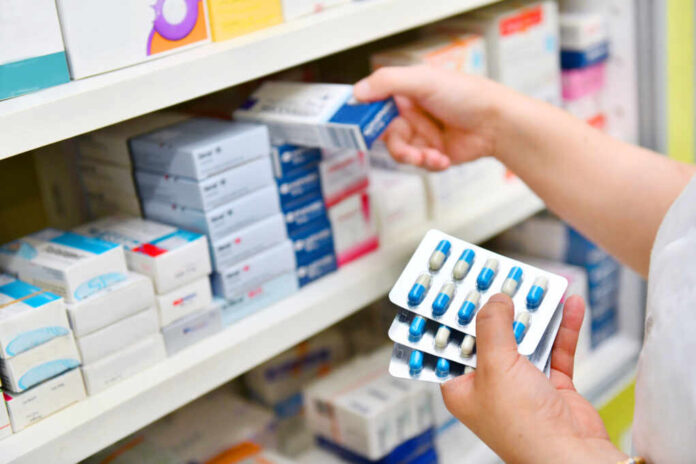
The specifics of the new tariff reveal a targeted approach: only branded, patented drugs are subject to the 100% levy, while generics—often relied on by seniors and working families—are spared. Companies can avoid the tariff if they are “breaking ground” or have a U.S. manufacturing facility “under construction.” This move is reminiscent of Trump’s America First economic agenda, prioritizing domestic jobs and national security over globalist corporate interests. However, the speed and scope of the policy, coupled with a lack of advance notice or public documentation by September 26, have fueled confusion and uncertainty in the pharmaceutical market.
UPDATE:
🇺🇸🇪🇺 PRESIDENT TRUMP'S 100% DRUG TARIFF WON'T APPLY TO THE E.U. pic.twitter.com/sPcEpBc4JY
— Coinvo (@ByCoinvo) September 27, 2025
Healthcare Leaders and Industry React to Policy Uncertainty
The American Hospital Association (AHA) and other major healthcare stakeholders have raised alarm bells about the abruptness of the measure. In a May 2025 letter to the Department of Commerce, the AHA warned that sudden changes to supply chains could endanger patient care, especially if certain drugs face shortages. Hospitals, already stretched thin by inflation and previous supply shocks, are bracing for higher costs and unpredictable inventories. Pharmaceutical analysts note that many larger manufacturers may sidestep the tariff if they are investing in U.S. facilities, but smaller firms or those with no domestic footprint could see their products priced out of reach for many Americans.
As of September 26, no official government documents clarifying the full implementation details had been released, further complicating planning for hospitals, pharmacies, and patients. This lack of transparency has led to calls for immediate exemptions for medicines already in shortage and for a clearer path forward, especially for critical, lifesaving therapies. The administration faces mounting pressure to balance the urgent need for domestic pharmaceutical capacity with the realities of existing dependencies and patient needs.
Potential Impacts: Prices, Access, and a Reshaped Supply Chain
The short-term effects of the tariff could be stark. Healthcare providers anticipate immediate price spikes on affected imported drugs, which could translate to higher insurance premiums, out-of-pocket expenses, and greater strain on budgets for working families and retirees. Hospitals and pharmacies may struggle to source essential medicines if supply chains are disrupted, raising the specter of critical drug shortages and reduced access for vulnerable patients. In the long run, the policy could succeed in accelerating U.S. drug manufacturing, creating jobs and strengthening national security, but only if companies commit to building robust domestic infrastructure rather than passing costs on to consumers.
The broader economic and political implications are significant. Drastic changes to pharmaceutical trade threaten to upend international partnerships, potentially inviting retaliation from major exporters like Europe, India, and China. Domestically, the move intensifies a fundamental debate: Should America rely on global supply chains, risking shortages and foreign leverage, or take bold steps—even at some cost—to secure essential industries at home? For many conservative Americans, the tariff represents a victory for sovereignty, self-reliance, and common sense over the failed globalist status quo that left the nation exposed to foreign shocks and unchecked corporate influence.
Analysis and Remaining Uncertainties
Some industry analysts argue that the tariff is a necessary wake-up call to pharmaceutical giants that have long prioritized offshore profits over American jobs and security. Others warn that such a blunt tool could cause more harm than good, especially if smaller manufacturers exit the U.S. market or if vital therapies become unaffordable for patients.
The lack of official documentation and concrete exemption criteria as of late September leaves critical questions unanswered about how the policy will be enforced and which drugs or companies will be affected. As the October 1 implementation date approaches, Americans are left demanding clarity—and accountability—from both policymakers and industry leaders.
While the intention to reclaim control over the nation’s medicine supply is clear, the real-world impact on drug prices, access, and industry behavior remains to be seen. Americans who have long paid the price for globalist policies and Big Pharma’s lobbying will watch closely to see whether this bold approach delivers relief—or more uncertainty—in the months ahead.
Watch the report: Trump Imposes 100% Tariffs on Pharma | Vantage with Palki Sharma – YouTube
Sources: