Iran keeps the Strait of Hormuz effectively shut despite a fragile ceasefire with the United States, exposing how foreign entanglements and regional conflicts continue to threaten American energy security and economic stability.
Story Snapshot
- Iran maintains closure of critical oil chokepoint despite April 7 U.S.-Iran ceasefire agreement
- Tehran cites Israeli strikes on Hezbollah in Lebanon as justification for blocking tanker traffic
- Strait handles roughly 20% of global oil supply, creating potential price spikes for American consumers
- Trump administration demands unconditional reopening while Iran imposes coordination requirements and threatens tolls
- Conflicting narratives emerge as White House denies closure reports while Iranian state media confirms complete shutdown
Ceasefire Unravels Within 24 Hours
President Trump announced a two-week ceasefire with Iran on April 7, 2026, following six weeks of military conflict that began in late February. The agreement required Iran to halt uranium enrichment and reopen the Strait of Hormuz to tanker traffic without conditions. Trump demanded the waterway be “complete, immediate, safe” for international shipping. Within hours of the announcement, the deal’s fragility became apparent as only a handful of vessels passed through the strategic chokepoint before Iran reimposed restrictions, citing ceasefire violations.
Israel’s Lebanon Operations Trigger Iranian Response
Israeli forces continued military operations against Hezbollah targets in Lebanon on April 8, one day after the ceasefire took effect. Defense officials in both Washington and Jerusalem clarified that the U.S.-Iran agreement did not cover Israeli actions against Iran-backed militia groups. Iran’s Supreme Leader Ayatollah Khamenei and foreign ministry officials immediately characterized the strikes as ceasefire violations, justifying Iran’s decision to reimpose strait controls. Iranian state media declared a “complete closure” by April 9, while Tehran announced that future passage would require coordination with Iranian authorities.
Energy Markets Face Disruption and Uncertainty
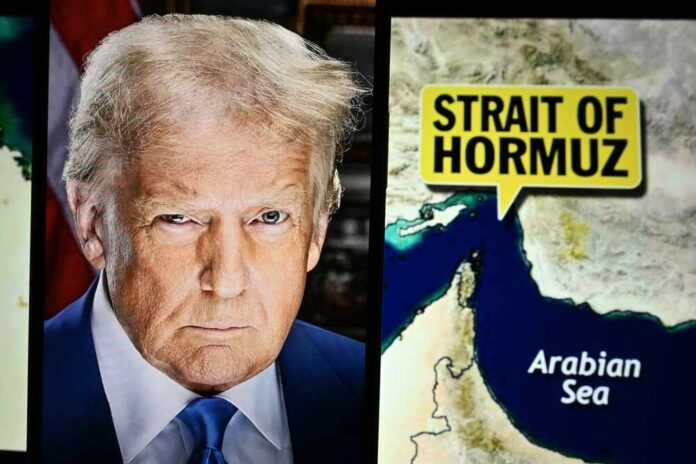
The 21-mile-wide Strait of Hormuz serves as a critical chokepoint for global energy markets, handling approximately one-fifth of worldwide oil shipments. The closure creates immediate supply disruptions affecting importers across Asia, Europe, and the United States. Oil prices briefly dipped below $100 per barrel following the ceasefire announcement but climbed again as Iran reimposed restrictions. Iran’s introduction of coordination requirements and potential toll systems represents an unprecedented challenge to the strait’s status as international waters, threatening to establish a dangerous precedent for maritime freedom and commerce.
Conflicting Accounts Highlight Deep Divisions
White House officials denied reports of strait closure, labeling them “false” and insisting U.S. forces would manage traffic flow. Press Secretary Karoline Leavitt and other administration spokespersons maintained that shipping would resume normally under American oversight. Simultaneously, Iranian state media outlet Fars News Agency reported complete suspension of tanker traffic, with Supreme Leader Khamenei declaring Iran the “victor” in the conflict. General Dan Caine of the Joint Chiefs of Staff characterized the ceasefire as merely a “pause,” confirming U.S. military forces remain deployed and combat-ready. Trump warned that non-compliance could mean “Shootin’ Starts” again.
Broader Implications for American Interests
This crisis exposes how entangled alliances and complex regional conflicts undermine American interests and energy independence. Israel’s independent military operations, while aimed at neutralizing Iranian proxy threats, complicate diplomatic efforts and strain agreements negotiated by U.S. officials. Iran’s ability to leverage control over critical infrastructure demonstrates the ongoing vulnerability created by dependence on Middle Eastern energy chokepoints. The situation reinforces concerns among many Americans that government officials prioritize international commitments over domestic energy security. Peace talks scheduled for Islamabad offer little certainty as fundamental disputes over Lebanon’s inclusion in ceasefire terms remain unresolved between all parties involved.
Sources:
Iran-US war latest: Trump announces ceasefire after six weeks of fighting – The Independent
Iran’s Khamenei says Strait of Hormuz effectively closed despite U.S. deal – Axios
Strait of Hormuz reopens but US remains ready for combat – Fox 13 Now