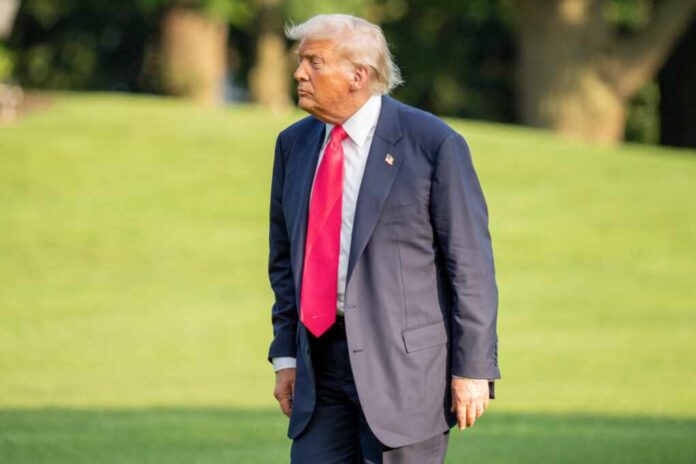
For the first time in history, a sitting president has turned Washington’s most elite arts gala into a prime-time showcase for fighting “woke” culture. President Donald Trump not only became the first president to personally emcee the Kennedy Center Honors from the stage, but he also used the nation’s premier arts event to spotlight his anti-“woke” cultural agenda and hands-on role in choosing populist honorees like Sylvester Stallone, Kiss, and Gloria Gaynor, signaling a major shift in who controls America’s cultural spotlight.
Story Snapshot
- President Trump became the first sitting president to personally host the Kennedy Center Honors from the stage.
- He used the nation’s premier arts gala to spotlight his anti‑“woke” cultural agenda and hands‑on role in choosing honorees.
- The event honored populist cultural icons like Sylvester Stallone, Kiss, and Gloria Gaynor in a break from prior high‑arts emphasis.
- While the program focused on musical tributes, Trump’s presence signaled a deeper shift in who controls America’s cultural spotlight.
Trump Rewrites the Rules of Washington’s Most Establishment Gala
On a December Sunday night in Washington, President Donald Trump stepped onto the stage of the John F. Kennedy Center for the Performing Arts and did something no president had ever done: he emceed the Kennedy Center Honors himself. Instead of remaining in the presidential box as a ceremonial spectator, Trump opened the show, returned after intermission, and closed the evening, putting the presidency at the center of a black‑tie event long treated as above day‑to‑day politics.
Trump framed the Honors as a television event as much as a state occasion, boasting that he was hosting “at the request of a certain television network” and predicting the Dec. 23 CBS and Paramount+ broadcast would deliver their “best ratings ever.” He praised the honorees as among the greatest performers ever to walk the earth, then mixed in his trademark showman flair, turning what once felt like an insulated Beltway ritual into another high‑visibility stage where his supporters see him challenging a complacent cultural elite.
Finally, a President who doesn’t just show up, he takes charge! Trump is the first President to HOST the Kennedy Center Honors, proving the MAGA cultural victory is complete.
The liberal elites are seething while Trump brings class back to D.C.! pic.twitter.com/hFQrcxNTHL
— Dr Vincent Sativa 🇺🇸 (@The_Weed_Shop) December 8, 2025
Honoring Pop‑Culture Fighters, Not Ivory‑Tower Darlings
This year’s honorees underscored that shift. Rather than a slate dominated by high‑arts insiders, the 48th Honors put blue‑collar favorites front and center: actor Sylvester Stallone of “Rocky” and “Rambo” fame, arena‑rock legends Kiss, disco icon Gloria Gaynor, and Broadway great Michael Crawford. On the red carpet, Stallone compared the experience to standing in “the eye of a hurricane” and called himself incredibly humbled, while performers like Kelsey Grammer led onstage tributes focused on craft and legacy instead of partisan messaging.
For many conservatives, seeing figures like Stallone and Kiss elevated at America’s flagship arts center feels overdue. These are artists whose work resonates with ordinary families in towns far from Georgetown cocktail parties, yet who have often been treated warily by the same cultural tastemakers that cheer politically correct fare. By reshaping the lineup toward mass‑market entertainers, Trump aligned the nation’s most prestigious cultural honor with the tastes of middle‑class audiences who have long felt sneered at by coastal critics and “woke” cultural gatekeepers.
Taking Aim at “Woke” Culture from Inside a Liberal Landmark
Trump made clear he was not just a genial host reading from a teleprompter. He publicly claimed that about 50 possible names were narrowed to five honorees and that he personally rejected several candidates he viewed as “too woke.” For an institution named after Democratic President John F. Kennedy and historically presented as ideologically neutral, that hands‑on presidential curation marked a sharp break from past practice, where the White House played a largely ceremonial role while the Kennedy Center and artistic community drove selections.
That posture fits Trump’s broader second‑term agenda, which has targeted left‑leaning institutions in media, academia, and the arts that he and many conservatives see as pushing anti‑American narratives and radical social experiments. Turning the Kennedy Center into what some observers call a “touchstone” in this fight sends an unmistakable message: taxpayer‑supported cultural spaces should reflect the values of the country that funds them, not serve as safe havens for ideological activists who look down on traditional families, faith, and patriotism.
Balancing Tributes, Politics, and the Future of Cultural Power
Despite Trump’s combative rhetoric about “woke” nominees, the evening’s performances themselves mostly avoided overt partisan speeches. Artists focused on musical and theatrical tributes, and public radio coverage stressed that “tributes, not politics” dominated the show. For viewers tired of constant cultural lecturing, that balance may be welcome: a president willing to draw hard lines against ideological excess, paired with an institution still capable of delivering heartfelt celebration of artistic achievement without turning every number into a sermon on progressive causes.
Yet the long‑term implications are significant. When a president openly touts veto power over honorees based on worldview, he sets a precedent that national awards can become explicit instruments in the culture war. For conservatives who watched prior administrations quietly tilt arts funding toward leftist projects, that may feel like long‑overdue accountability. For the Kennedy Center’s leadership, donors, and performers, it raises hard questions about autonomy, credibility, and how far they are willing to push back against or partner with a populist presidency that has made “anti‑woke” policy a governing theme.
Watch the report: Trump becomes the first president to host the Kennedy Center Honors
Sources:
Trump hosts the Kennedy Center Honors recognizing Stallone, Kiss, Gaynor and others
Tributes, not politics, play center stage as President Trump hosts the Kennedy Center Honors ceremony
Trump Hosts Kennedy Center Honors After Seizing Control of Venue – The New York Times