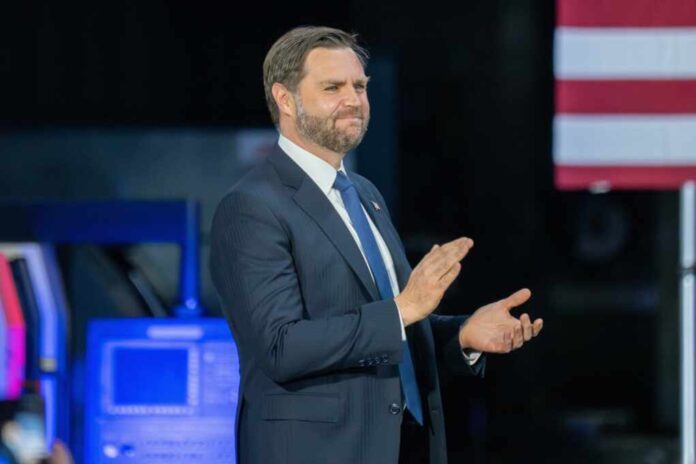
A U.S. military strike against suspected cartel members has ignited a bitter GOP fight over executive power and constitutional rights.
At a Glance
- U.S. military strike killed 11 alleged Venezuelan cartel members.
- Vice President JD Vance praised the action as justified force.
- Senator Rand Paul condemned the move as a due process violation.
- President Trump defended the strike as a national security necessity.
- Debate exposes deep rift inside Republican Party over military power.
The Strike and Its Fallout
The U.S. military sank a vessel allegedly operated by Venezuela’s Tren de Aragua cartel. Eleven suspected members died in the strike.
Vice President JD Vance praised the action online, calling it the “highest and best use” of American military power. He framed the attack as payback against those who, in his words, poison U.S. citizens with drugs.
President Trump quickly backed Vance. He portrayed the strike as a strong deterrent against cartel activity and a decisive move to secure U.S. borders.
Watch now: Trump Defends Military Strike
Not all Republicans followed suit. Senator Rand Paul blasted Vance’s remarks as “despicable and thoughtless.” Paul argued that killing suspects without trial guts due process and undermines the Constitution.
A GOP Divide in Plain View
The clash spotlights two wings of the Republican Party. One, led by Trump and Vance, favors raw military force as a frontline weapon. This camp sees cartels as foreign combatants who forfeit legal protections.
The other, represented by Paul, insists on the supremacy of constitutional safeguards. For this faction, abandoning due process in the name of security sets a dangerous precedent. They warn it risks unchecked presidential authority.
The fault line is widening. Vance has cast himself as Trump’s enforcer on security, while Paul has framed himself as the last guardrail of liberty. Each message plays to distinct Republican blocs.
Legal Shadows and Political Stakes
The legality of the strike has drawn scrutiny from legal analysts. Some argue Trump acted within his authority to protect national security. Others question whether the U.S. has a legal framework for targeting alleged cartel operatives at sea.
Critics note the lack of transparent evidence tying the victims directly to cartel crimes. Questions also swirl over whether the action violates international law or stretches executive war powers past constitutional limits.
Inside Congress, demands are growing for oversight. Some members want hearings on how targets are chosen and whether civilian risks are measured. Others seek to define legal limits on the president’s unilateral use of lethal force.
The political fallout could reshape the GOP’s identity. If Trump and Vance cement dominance, the party may fully embrace a law-and-order nationalism. If Paul’s critique gains traction, libertarian currents may pull the party back toward constitutional restraint.
The stakes go beyond one strike. The argument over due process and executive power will haunt Republican debates on foreign policy, military reach, and civil liberties.
Sources