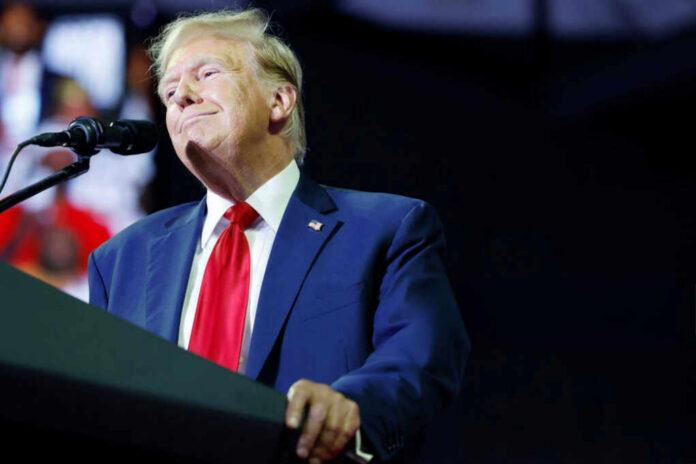
Donald Trump shattered a century-old tradition by boycotting the White House Correspondents’ Dinner, exposing raw fractures in America’s press-presidency bond that linger today amid unverified rumors of his return.
Story Snapshot
- No credible evidence supports Trump’s attendance at the WHCD in a “stunning twist”; the claim remains speculative rumor.
- Trump uniquely skipped every WHCD during his 2017-2021 presidency, calling media the “enemy of the American people.”
- WHCD began in 1921 to build press rapport; every president since Coolidge attended until Trump broke the chain.
- His absence cut celebrity turnout, strained WHCA funding, and deepened media polarization.
- Recent 2025 reports reaffirm non-attendance, with no 2026 confirmations.
WHCD Origins and Presidential Tradition
The White House Correspondents’ Association formed in 1914 to safeguard press access against President Woodrow Wilson’s threats. In 1921, 50 male correspondents gathered at the Arlington Hotel under Warren G. Harding, who revived press conferences. Calvin Coolidge attended first in 1924, starting a tradition every president upheld at least once. The event evolved from officer inaugurations and satire to First Amendment celebrations at the Washington Hilton since the 1960s.
Trump’s Historic Boycott and Media Clashes
Donald Trump boycotted all WHCDs from 2017 to 2021, labeling media the “enemy of the American people.” His administration pressured corporate donors via tweets, prompting WHCA complaints over access restrictions. This rupture contrasted sharp with precedents; no president since Coolidge skipped entirely. Comedians like Jimmy Kimmel and Cecily Strong roasted politics amid empty presidential seats, while ticket sales funded journalism awards and scholarships.
Stakeholders and Power Dynamics
WHCA hosts the event, advocating press freedom and funding scholarships through high-ticket sales. Trump wielded leverage through boycotts, targeting media outlets as attendees and donors. Historical figures like Helen Thomas, WHCA president in 1975, drove integration in the 1950s-1960s via boycott threats, backed by Kennedy. Comedians provide satire; corporations seek networking. Presidents traditionally keynote with jokes, but Trump opted out, shifting dynamics.
Cancellations hit in 1930 for Taft’s death, 1942 for WWII, and 1951 for Korean War. By the 1980s, Hollywood stars turned it into the “Nerd Prom” with after-parties, drawing elite crowds.
Recent Developments and Unverified Claims
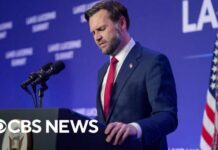
No breaking news confirms Trump’s 2026 attendance; 2025 CBS coverage stated he would not attend. Recent dinners saw fewer celebrities and canceled after-parties due to tensions. Critics label WHCA responses as capitulation, emboldening Trump’s demands. The premise of a “stunning twist” echoes unverified social media buzz, but facts align with historical skips. Common sense demands proof before hailing reconciliation—rumors fuel division without substance.
Trump will attend White House Correspondents' Dinner in stunning twist https://t.co/A45oZylsiM pic.twitter.com/P5VQyqe166
— New York Post (@nypost) March 2, 2026
Trump’s stance reflects conservative pushback against perceived media bias, a view substantiated by restricted access complaints. Facts show his boycott hurt event prestige yet highlighted accountability, aligning with values prizing truth over elite self-congratulation.
Impacts and Expert Perspectives
Short-term, absence reduced glamour and revenue; long-term, it eroded symbolic press-presidency rapport, weakening DC journalism. Critics argue WHCA’s mildness failed principles, while defenders see satire’s role since 1983. Analysts note strained First Amendment traditions under Trump’s rhetoric. Polarization deepened, turning the event from insider rite to politicized spectacle— a rupture unique in 100 years.
Sources:
ABC News: Comprehensive WHCD history, Trump tensions.
WHCA official: Founding, early dinners.
Contrarian Substack: Critical analysis of Trump-WHCA dynamics.
White House History: WHCA origins, Helen Thomas.