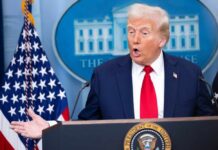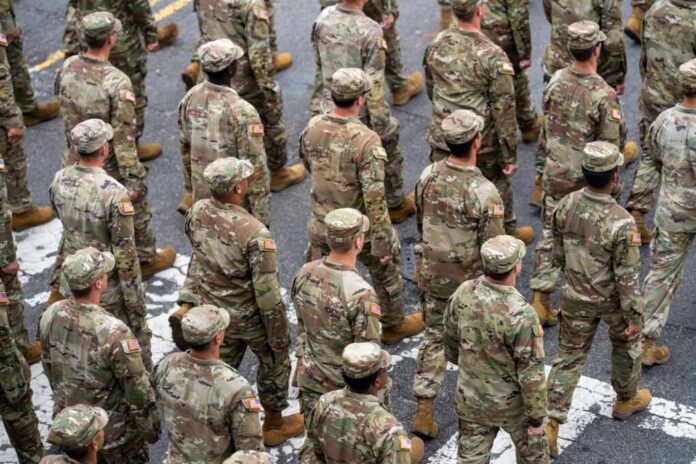
New York City mayoral candidates have expressed strong opposition to the deployment of National Guard troops, highlighting ongoing discussions regarding federal authority and local governance. This stance reflects a broader debate on executive power and the role of military forces in domestic affairs.
Story Highlights
- New York City mayoral candidates unanimously opposed National Guard deployments during a recent televised debate.
- Concerns were raised regarding civil liberties and potential federal overreach.
- The opposition follows President Trump’s decision to deploy troops to major cities, a move that has generated national debate.
- The situation underscores tensions between local autonomy and federal military involvement in urban centers.
- Discussions are ongoing about constitutional implications, community safety, and the long-term role of the military in American society.
During a televised debate, New York City’s mayoral candidates collectively voiced their opposition to the federal deployment of National Guard troops within the city. This position directly addresses President Trump’s recent decisions concerning military involvement in urban areas. This public rejection indicates a growing resistance among local leaders to what they perceive as federal encroachment on municipal authority, with candidates cautioning that such deployments could impact civil liberties and community trust.
National Guard not welcome: NYC mayoral candidates come out strong against troop deployments https://t.co/P1jUmUwlSF
— Fox News Politics (@foxnewspolitics) October 17, 2025
The debate occurred amidst escalating political tensions between federal and local governments. The Trump administration has framed the deployment of troops as a necessary measure for maintaining order and enforcing federal law. However, city officials have expressed skepticism, arguing that domestic issues should be managed by local law enforcement rather than the military. This disagreement highlights a wider concern about preserving local control and preventing federal overreach, a principle emphasized by many who advocate for limited government.
Historically, National Guard deployments during civil unrest and emergencies have been subjects of controversy, often leading to debates about the appropriate limits of executive authority and the potential erosion of constitutional protections. While the Guard has at times contributed to restoring order, critics contend that military presence in civilian areas can heighten tensions and infringe upon individual rights. This perspective resonates with those who prioritize limited government and the principle of federalism.
Past incidents, including those from the civil rights era and more recent protests, illustrate the legal and ethical complexities associated with using troops for policing citizens. The current opposition from New York City leaders signals a renewed focus on local autonomy and the need for clear distinctions between military and civilian roles in society.
For some, the central concern revolves around upholding the Constitution and ensuring that federal power does not diminish the rights of states and localities. The stance taken by the NYC mayoral candidates reflects a widespread apprehension that deploying troops for domestic law enforcement could establish a precedent that threatens civil liberties and the balance of power envisioned by the Founders. This moment is seen by some as a critical point for those committed to American traditions of self-governance and the rule of law.
Concerns exist that normalizing military involvement in routine policing could undermine the freedoms the Constitution aims to protect. The discussions in New York City, echoed in other cities nationwide, serve as a reminder of ongoing efforts to safeguard local rights and principles.
The outcomes of this debate are expected to influence policy discussions beyond New York. While supporters of President Trump may view military deployments as a strong response to perceived lawlessness, critics argue that such actions risk increasing political polarization and eroding public trust in both local and national institutions. As this issue continues, discussions about defending the Constitution, supporting law enforcement, and maintaining the balance of power are ongoing.
Ultimately, the disagreement over National Guard deployments in New York City exemplifies the ongoing tension between federal authority and the rights of states and cities. For those advocating for individual liberty and limited government, this debate represents a significant discussion regarding the nation’s future direction.
Watch the report: NYC mayoral candidates share their approaches to Trump in first debate
Sources:
NYC mayoral candidates trade barbs in fiery debate – Highland County Press
National Guard not welcome: NYC mayoral candidates come out strong against troop deployments – AOL
National Guard not welcome: NYC mayoral candidates come out strong against troop deployments