Recent developments in Israeli politics indicate a significant shift in public sentiment, with Prime Minister Benjamin Netanyahu’s Likud party experiencing a surge in opinion polls. This change follows the announcement of a major hostage deal, which appears to have positively impacted voter perception.
Story Highlights
- Likud gained three seats in a Channel 12 poll after a hostage deal announcement.
- Netanyahu’s standing has improved despite prior public criticism.
- Naftali Bennett’s movement also saw an increase in support, suggesting a consolidation among right-wing voters.
- The opposition bloc has reportedly lost its majority to form a new government.
Polling Surge Follows Hostage Deal Announcement
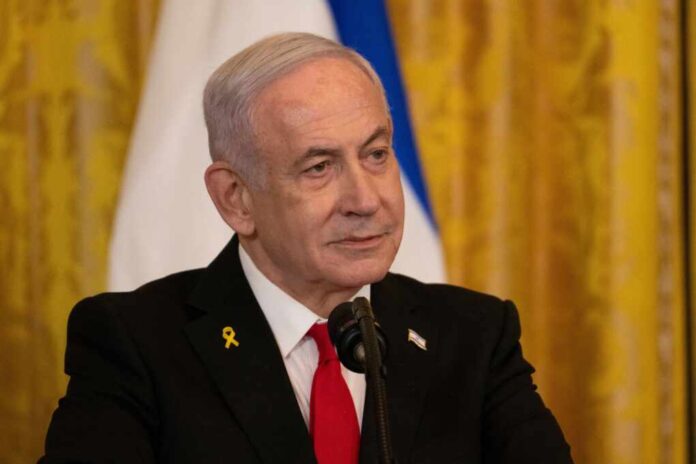
Recent Israeli election surveys indicate a reversal for Prime Minister Benjamin Netanyahu and the Likud party. The party gained three seats, reaching 27 in Channel 12 News polling. This increase occurred immediately after the announcement of a high-profile hostage deal, suggesting the influence of security achievements on voter sentiment. Public criticism regarding the October 7 events and economic challenges had previously affected Likud; however, the recent negotiations appear to have altered the political dynamic.
Simultaneously, Naftali Bennett’s “Bennett 2026” movement gained three seats, rising to 22 in the same polling. This dual strengthening among right-wing factions suggests a consolidation of conservative support, with some center-left voters potentially shifting rightward or previously undecided voters making clear choices. The opposition bloc, which had previously been positioned to form a new government, reportedly lost its majority, potentially reducing the viability of early elections or no-confidence votes and increasing Netanyahu’s governing stability.
Netanyahu’s Approval Soars Post-Hostage Release
Poll shows 58% of Israelis favor Netanyahu as PM, with Likud gaining 35 seats. Ruling coalition would secure 66-seat majority if elections held today, per Direct Polls survey after Gaza hostage release. pic.twitter.com/pDQCS8TUkE
— Eli Goldman | אלי גולדמן (@EliGoldmanx) October 15, 2025
Coalition Dynamics and Opposition Setbacks
The polling data highlights a complex coalition environment in anticipation of the 2026 legislative cycle. Coalition partners, including Aryeh Deri of Shas, Itamar Ben Gvir of Otzma Yehudit, and Yitzhak Goldknopf of United Torah Judaism, remain significant, with Ben Gvir’s party showing increased strength. Meanwhile, opposition leaders such as Yair Golan, Yair Lapid, and Gadi Eisenkot are reportedly facing fragmented support, with no single left-leaning alternative appearing able to unify the anti-Netanyahu vote. Smaller parties experienced challenges, with Avigdor Liberman’s Yisrael Beytenu losing seats and several others reportedly falling below the electoral threshold, further influencing the balance in favor of conservative governance.
The hypothetical joint party of Benny Gantz and Moshe Kahlon polls at four seats, drawing from Bennett, Yisrael Beytenu, and Yesh Atid, but reportedly offering limited practical threat to the dominant right-wing bloc. The narrowing gap between coalition and opposition suggests that new coalition configurations remain possible, but current numbers indicate an advantage for Netanyahu and his partners, particularly with Arab parties holding ten seats outside the main coalition calculations.
Broader Impact: Security Achievements and Public Opinion
The polling surge may reflect societal divisions concerning security, governance, and national priorities. For Israeli voters, tangible results on immediate crises, such as the hostage situation, appear to have been more compelling than accountability for previous events. The continued strength of parties like Otzma Yehudit may indicate ongoing support for security and settlement policies, potentially limiting future government flexibility in diplomatic negotiations. Netanyahu’s ability to maintain leadership despite public anger suggests that strategic achievements can influence public opinion during periods of instability.
Analysis from Israeli media reportedly underscores Netanyahu’s resilience and the apparent paradox facing voters: many express anger over his handling of the October 7 attacks, yet some view him as the most suitable candidate to manage ongoing crises. The Channel 12 polling methodology, along with corroborating reports from other outlets, confirms the trend but also advises caution given historical volatility in pre-election polling. With the 2026 election still a year away, ongoing developments and policy outcomes could continue to alter the political landscape.
Watch the report: New Israeli Poll Reveals Netanyahu’s Likud Party Gaining Ground
Sources
Benjamin Netanyahu gains support in new election poll | The Jerusalem Post