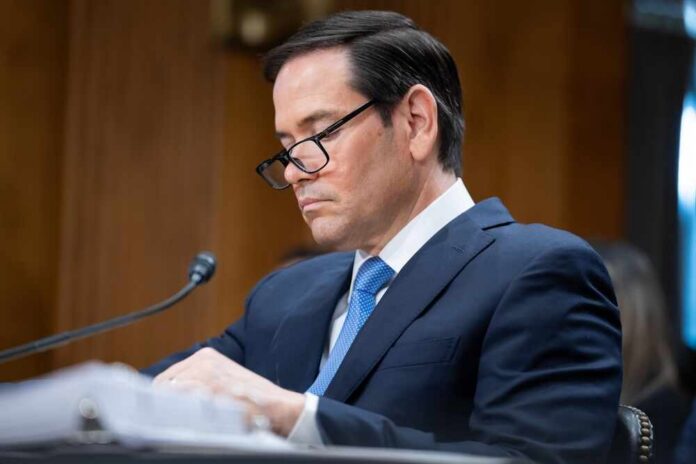
Secretary of State Marco Rubio just signed off on slashing the fee to renounce U.S. citizenship by 80 percent, sparking concern that Washington may be making it far too easy for Americans to walk away from their country while still facing a complex web of tax burdens and bureaucratic hurdles.
Story Snapshot
- State Department cuts renunciation fee from $2,350 to $450, effective April 12, 2026
- Fee reduction follows years of lawsuits by “accidental Americans” crushed under FATCA tax rules
- No refunds for approximately 8,700 Americans who paid the higher fee after 2023 promise
- Experts predict surge in renunciations despite rigorous six-month process and exit tax requirements
Marco Rubio Signs Fee Reduction Rule
Secretary Marco Rubio signed the final rule on March 13, 2026, slashing the U.S. citizenship renunciation fee from $2,350 to $450. The new fee takes effect for consulate appointments beginning April 12, 2026. The State Department framed the decision as a policy choice to “reduce cost burden,” despite acknowledging that processing costs exceed the new fee amount. This 80 percent reduction reverses a 2015 fee hike that was justified by surging renunciations tied to burdensome Foreign Account Tax Compliance Act regulations imposed during the Obama administration.
FATCA Drove Americans Abroad to Breaking Point
The fee reduction directly addresses fallout from FATCA, enacted in 2010 to force global banks to report U.S. citizens’ accounts. This law placed crushing tax reporting requirements on approximately nine million Americans living abroad, particularly “accidental Americans” born in the United States but raised elsewhere. Renunciations skyrocketed from 956 in 2010 to over 3,000 annually by 2014, prompting the Obama-era State Department to raise the fee from $450 to $2,350 in 2015 for supposed cost recovery. Paris-based Association of Accidental Americans filed constitutional lawsuits arguing the high fee violated natural expatriation rights.
No Refunds for Recent Payers Despite Broken Promise
The State Department promised a fee reduction back in 2023, yet at least 8,700 Americans paid the inflated $2,350 fee after that pledge. The Trump administration has not announced any refunds for these recent payers, meaning thousands of citizens effectively subsidized a bureaucratic delay. While the fee cut removes one barrier, the renunciation process remains rigorous: applicants must appear in person at consulates abroad, swear an oath, file IRS Form 8854 for exit tax purposes, and wait approximately six months for Certificate of Loss of Nationality approval. Previous tax debts are not erased.
Experts Warn of Renunciation Surge and Lost Protections
Tax advisors at firms like Greenback Tax Services and 1040 Abroad predict a boom in renunciation appointments, advising current applicants to reschedule for post-April dates to capture the lower fee. Global mobility experts note immediate implications for employers, particularly defense contractors navigating security clearance issues for dual citizens. However, renouncing citizenship carries serious trade-offs: loss of U.S. passport travel privileges, consular protection abroad, and future visa requirements for entering the United States. The Treasury Department faces an estimated $8.9 million annual revenue loss from the fee reduction, though this does not impact State Department operations since fees fund Treasury coffers.
The State Department has slashed by about 80% the fee for Americans to formally renounce their U.S. citizenship.https://t.co/7nunF8DxPd
— NBC Bay Area (@nbcbayarea) March 15, 2026
While advocates celebrate the fee cut as a victory for expatriation rights, conservatives should question whether Washington is prioritizing administrative convenience over encouraging Americans to maintain their citizenship. The underlying problem remains FATCA’s overreach, a legacy of Obama-era globalist tax policy that treats law-abiding expatriates like tax cheats. Rather than simply making it cheaper to leave, the Trump administration should focus on repealing or reforming FATCA to eliminate the burden driving Americans away in the first place. The fee reduction addresses a symptom but ignores the root cause of why thousands feel compelled to sever ties with their homeland.
Sources:
U.S. State Department Reduces Renunciation Fee – Democrats Abroad
State Department Cuts Fee to Renounce U.S. Citizenship From $2,350 to $450 – VisaHQ
Renunciation Fee Cut – Greenback Tax Services
State Department cuts fee to renounce US citizenship by 80% to $450 – Fox News
U.S. Renunciation Fee Drops to $450 in April 2026 – 1040 Abroad