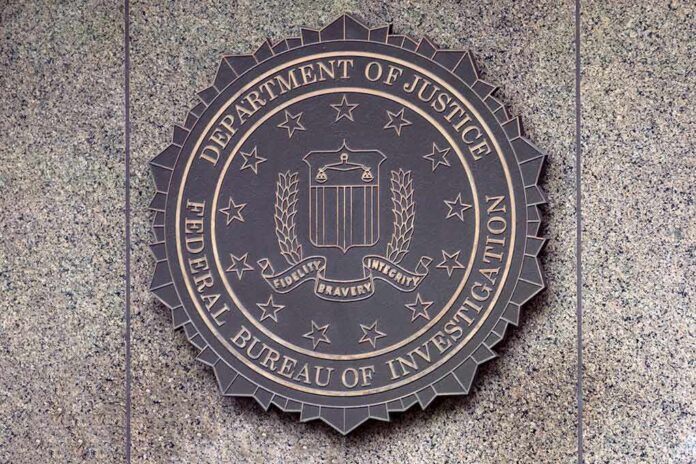
At the FBI’s National Academy graduation in Quantico, Shaquille O’Neal was named an honorary FBI Special Agent by Director Kash Patel.
Story Highlights
- FBI Director Kash Patel honored O’Neal at the National Academy’s Session 299 graduation in Quantico.
- Reports say the class included 265 law-enforcement officials from the United States and partner nations.
- Coverage describes the title as recognition for support of law enforcement, not a sworn job.
- The FBI has given similar honorary badges in rare cases, framing them as symbolic honors.
What Happened at Quantico
On September 17, 2026, the Federal Bureau of Investigation (FBI) held the National Academy Session 299 graduation in Quantico, Virginia. During the ceremony, FBI Director Kash Patel announced that Shaquille O’Neal “became an honorary FBI Special Agent.” Reports say O’Neal stood with the graduating class and received a badge and plaque as part of the event. Multiple outlets placed him at the ceremony and quoted Patel’s remarks marking the honor.
Media coverage tied the recognition to O’Neal’s longtime public support for law enforcement, echoing Patel’s praise from the stage. Outlets repeated that the title was honorary and linked to service to police and community causes, not to an investigative role or daily duties inside the Bureau. Summaries described the moment as part of the graduation’s program, rather than a separate press event, which helps explain why O’Neal appeared alongside the class.
What “Honorary Special Agent” Means
The phrase “honorary FBI Special Agent” signals a ceremonial distinction, not a law-enforcement credential. The FBI has presented honorary badges to a small number of people outside the Bureau to acknowledge special contributions. In 2009, Director Robert Mueller honored actor Efrem Zimbalist Jr. with such a badge and called it the highest honor the Bureau gives to non-employees. That history shows these moments are symbolic and meant to show gratitude.
This tradition sits apart from formal FBI awards for operational risk or duty, which honor those injured or distinguished in the line of duty. The agency keeps those programs distinct, underscoring that honorary badges thank supporters while duty awards recognize service members and partners for specific acts. That split helps the public read events like O’Neal’s moment clearly and avoid mixing ceremonial gestures with official powers or authority.
Why It Resonates Beyond Sports
Celebrity honors can stir strong views because they intersect with trust in institutions. Many Americans worry that powerful groups reward insiders while everyday people struggle to be heard. When a high-profile figure is thanked by a major agency, some cheer the outreach and unity. Others ask what impact such gestures have on real problems like crime, community safety, and accountability. Clear language about what an honorary title does—and does not do—helps reduce confusion.
For readers who want to follow the thread, two details are most grounded in reporting. First, the ceremony happened at the FBI’s National Academy in Quantico with Session 299. Second, Patel named O’Neal an honorary special agent during that graduation, which featured 265 law-enforcement officials according to coverage. Media accounts describe the recognition as praise for support, not a job assignment inside the FBI. Those facts frame the event without hype.
Sources:
facebook.com, sportando.basketball, 163.com, sportmail.ru