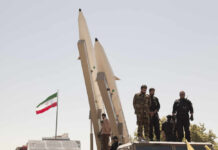
Japan breaks decades of pacifism by deploying long-range counterstrike missiles within weeks, directly challenging China’s aggressive expansion in a move that bolsters U.S. allies against communist threats.
Story Highlights
- Japan’s Ministry of Defense accelerates Type 12 missile deployment to Camp Kengun in Kumamoto starting March 2026, marking first counterstrike capability since 1954.
- Missiles’ 1,000 km range from Kyushu reaches mainland China, deterring potential Taiwan invasion.
- Integrates U.S. Tomahawk missiles, strengthening Japan-U.S. alliance amid PLA threats to Okinawa and Guam.
- China retaliates with blacklists on Japanese firms and drone incursions, escalating tensions.
- Prime Minister Takaichi prioritizes military buildup post-re-election, shifting from defensive posture.
Type 12 Deployment Accelerates
Japan’s Ministry of Defense announced on August 29, 2025, plans to deploy enhanced Type 12 surface-to-ship missiles to the Ground Self-Defense Force’s Camp Kengun in Kumamoto City. The 5th Surface-to-Ship Missile Regiment receives initial units in March 2026. This positions long-range assets in Kyushu, southwest Japan, for optimal monitoring of Chinese activities. The move ends Japan’s strictly defensive stance under Article 9 of its post-WWII constitution. Deployment continues to Camp Fuji in Shizuoka from 2027.
Strategic Shift Against Chinese Aggression
China’s military buildup drives Japan’s response, with PLA missiles reaching 2,800-3,700 km to threaten Okinawa bases like Naha, Kadena, and Futenma. U.S. DoD’s 2025 China Military Power Report details increased carrier operations beyond the First Island Chain. Japan integrates U.S.-made Tomahawks procured FY2025-2027 alongside domestic Type 12 missiles with enemy-base attack potential. This aligns with the 2022 National Security Strategy, enabling counterstrikes on missile launch sites. Southwest islands like Yonaguni and Iwo Jima gain fortifications.
Key Leaders and Rising Tensions
Prime Minister Sanae Takaichi, re-elected February 8, 2026, prioritizes defense buildup after comments on Taiwan intervention provoked Beijing. Defense Minister Koizumi announced Yonaguni Chu-SAM deployment by 2031 in February 2026 briefings, despite infrastructure delays. China blacklisted 20 Japanese firms, issued travel warnings, and ramped drone incursions. JSDF briefed local municipalities in Kumamoto for community support. U.S. DoD shares base vulnerability concerns, per Stimson Center and Hudson Institute analyses.
Expert reports highlight PLA strikes could disable Okinawa air operations for 11-33 days. Japan’s upgrades react to Xi Jinping’s 2027 Taiwan readiness directive and seabed surveys near southwest islands.
NEW 🚨 Japan to deploy counter-strike missiles closer to China pic.twitter.com/jrdPIZgGno
— official Denton James (@Dentonjameso) March 9, 2026
Impacts on Regional Balance and U.S. Interests
Short-term, tensions rise with Chinese economic pressures straining Japanese firms and island infrastructure. Long-term, Japan’s offensive capabilities shift power dynamics, deterring invasion threats while risking escalation. U.S. bases gain redundancy against PLA precision strikes. Defense sectors benefit from Type 12 production and Tomahawk deals. Southwest residents in Kumamoto, Yonaguni, and Iwo Jima adapt to militarization; Iwo Jima runway and port upgrades address Pacific gaps. Political alignment deepens Japan-U.S. ties versus China.
Under President Trump’s America First leadership, these developments reinforce alliances countering globalist threats from Beijing, protecting free nations from overreach.
Sources:
Japan Accelerates Deployment of Long-Range and Counterstrike Missiles
China’s missile reach forces Japan back to Iwo Jima
Japan to deploy missiles on island near Taiwan to deter China
Japan reveals timeline for missile deployment