
Illinois Governor J.B. Pritzker’s public mourning of leftist protesters while ignoring crime victims allegedly harmed by illegal immigrants has exposed a glaring double standard that perfectly encapsulates sanctuary state priorities in 2026.
Story Snapshot
- Pritzker defends sanctuary policies while over 800 criminal illegal immigrants arrested in Chicago ICE raids
- White House accuses Illinois governor of constitutional violations by shielding criminal aliens from deportation
- Crime victim families highlight hypocrisy as Pritzker tours immigrant neighborhoods expressing solidarity with protesters
- Congressional testimony reveals heated clash over sanctuary cities enabling criminal activity versus state rights
Pritzker’s Sanctuary Stand Amid Federal Crackdown
Governor J.B. Pritzker signed HB 1312 in September 2025, expanding protections for undocumented immigrants at courthouses, hospitals, daycares, and universities from ICE inquiries. The White House immediately condemned the move as unconstitutional, with spokespersons arguing Pritzker endangered Illinois residents by prioritizing criminal illegal aliens over public safety. Border Czar Tom Homan’s “Midway Blitz” operation arrested over 800 individuals in Chicago, targeting what DHS called the “worst of the worst” criminal undocumented migrants. Pritzker responded by touring immigrant neighborhoods in Pilsen and holding roundtables at the National Museum of Mexican Art, expressing solidarity with communities “afraid to come out of their homes.”
Congressional Showdown Exposes Priorities
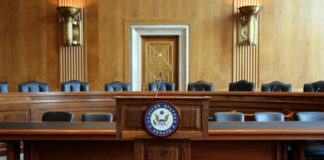
During June 2025 congressional testimony, GOP representatives James Comer, Mary Miller, and Lauren Boebert accused Pritzker of making Chicago a “haven for drugs” and prioritizing “criminal illegal aliens” over victims. Miller specifically confronted Pritzker about apologizing to a father whose daughter was allegedly killed by an illegal immigrant protected under sanctuary policies. Pritzker defended Illinois as complying with warrants for violent criminals while maintaining that sanctuary protections address a “broken immigration system” and federal overreach. The hearing descended into chaos when Senator Alex Padilla was forcibly removed, highlighting the intensity of the federal-state standoff over immigration enforcement authority.
Crime Statistics Contradict Sanctuary City Narrative
Pritzker countered GOP accusations by citing Chicago’s crime reductions in early 2025, including a 28 percent drop in homicides and 35 percent decrease in shootings. These statistics directly challenge assertions that sanctuary policies enable criminal activity. However, the Trump administration and DHS maintain that Illinois violates the Constitution’s Supremacy Clause by obstructing federal immigration law enforcement. Conservative analysts from the Center for Immigration Studies labeled Pritzker’s strategy “dangerous,” arguing non-cooperation with ICE shields criminals who threaten residents. The debate underscores fundamental disagreements about balancing state autonomy with federal immigration authority and public safety concerns versus humanitarian considerations for immigrant communities.
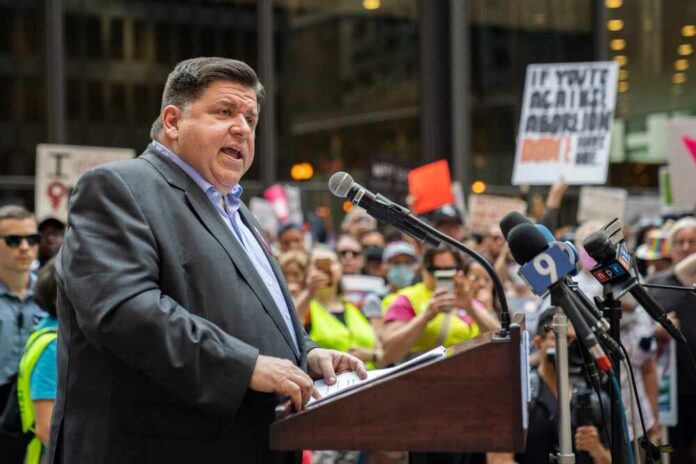
Illinois has operated as a sanctuary state since 2017, with Chicago maintaining sanctuary city status since 1982 under Mayor Harold Washington. The 2023 migrant crisis brought 50,000 arrivals, many Venezuelan, bused by Texas Governor Greg Abbott, straining city shelters and exacerbating tensions between Black and Latino communities. This context intensified under Trump’s second term, with mass deportation pledges amplifying conflicts between state protection policies and federal enforcement priorities. Protests involving 200 to 300 demonstrators marched on Michigan Avenue against ICE raids, receiving Chicago Police Department escorts while Pritzker expressed public support for their cause, further fueling accusations of selective sympathy.
Victims’ Families Highlight Government Hypocrisy
While specific victim family testimonies remain limited in available documentation, the central accusation revolves around Pritzker’s visible empathy for protesters and immigrant communities contrasted with perceived silence regarding Illinois residents allegedly harmed by criminal illegal immigrants. The governor’s museum tours and roundtables symbolizing solidarity occurred simultaneously with families grieving losses attributed to individuals shielded by sanctuary policies. This perceived imbalance raises legitimate questions about governmental priorities when state leaders publicly mourn policy opponents while crime victims’ families feel ignored. The hypocrisy charge resonates with conservatives who believe sanctuary jurisdictions sacrifice citizen safety for political ideology, undermining the social contract that government exists primarily to protect its lawful residents from harm.
The ongoing federal-state standoff shows no signs of resolution, with potential funding cuts threatened against sanctuary cities and long-term implications for immigration policy nationwide. Economic considerations include immigrant labor contributions versus public safety costs and social safety net strains. Political ramifications continue amplifying 2024-2026 immigration debates, with this conflict setting precedents for state resistance to federal authority. Illinois residents face competing narratives about whether sanctuary policies protect vulnerable populations or enable criminal activity, a tension unlikely to resolve without comprehensive immigration reform that addresses both enforcement priorities and humanitarian concerns while respecting constitutional limitations on state obstruction of federal law.
Sources:
Fox News: Pritzker signs bill to further shield illegal immigrants in Illinois from deportations
Center for Immigration Studies: Understanding Pritzker’s Dangerous Immigration Game
Politico Illinois Playbook: Chicago in ICE crosshairs
South Side Weekly: Illinois Lawmakers Say They’re Ready to Stand Up for Undocumented Residents