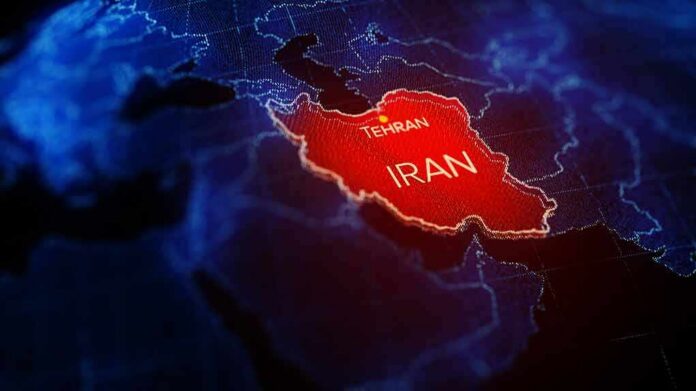
Iran’s failed surprise missile attack on U.S. forces has triggered one of the most sustained American strike campaigns inside Iran in modern history, raising hard questions about how far this shadow war can go before it hits ordinary people and the global economy.
Story Snapshot
- Iran launched multiple ballistic missiles at U.S. forces in the Middle East, and U.S. defenses intercepted them all.
- U.S. Central Command answered with a new wave of strikes on Iranian military targets, including air defenses, radar, missiles, and coastal assets.
- The Pentagon says the strikes are meant to protect American troops and keep Iran from threatening commercial shipping in the Strait of Hormuz.
- Weeks of back-and-forth attacks show a war that Washington calls “defensive,” but many Americans see as proof the system failed to prevent another major conflict.
Iran’s Surprise Missile Attack And U.S. Interception
U.S. Central Command said Iran fired “multiple ballistic missiles” at American forces based in the Middle East in what it called an “attempted surprise attack.” U.S. missile defenses intercepted every incoming round, and there were no reported American casualties from this particular strike. The attack ended a short pause in fighting that had followed days of intense exchanges. It also confirmed what many on both the right and left already fear: regional enemies feel bold enough to target U.S. troops directly.
President Trump responded by warning that the United States would give Iran a “beating” if attacks continued, signaling that Washington saw this as a major escalation, not a one-off incident. For conservatives frustrated with years of what they saw as weak responses to Iran, the strong language may sound overdue. For liberals worried about endless war and growing inequality at home, it reinforced the feeling that Washington can always move fast to bomb abroad but struggles to fix problems that hit families’ wallets.
The New Wave Of Strikes Inside Iran
After the missile attack, U.S. forces launched new strikes on Iranian soil, expanding a campaign that had already stretched over multiple nights. Central Command said recent waves hit air-defense systems, coastal radar sites, missile and drone facilities, small boats, and military logistics hubs that support attacks on shipping in the Strait of Hormuz. In one round, the U.S. military said it struck more than 80 sites; in another, officials said about 140 targets were hit to “hold Iranian forces accountable” for attacks on commercial vessels.
American statements frame these operations as defensive steps meant to “degrade” Iran’s ability to threaten civilian mariners and commercial ships moving through one of the world’s most important energy chokepoints. Strikes have focused on coastal surveillance and maritime capabilities along Iran’s southern shoreline. For many citizens watching from home, though, it can be hard to tell where defense ends and a wider war begins, especially when the government talks about dozens of targets night after night while basic issues like inflation and health care feel stuck.
A Pattern Of Attacks, Retaliation, And Rising Risks
The latest exchange fits into a broader pattern that has unfolded for weeks. The United States says Iran has attacked or threatened multiple commercial vessels in the Strait of Hormuz, hit U.S.-allied Gulf countries, and kept firing drones and missiles even after temporary pauses. Iran, for its part, claims U.S. strikes have killed Iranian personnel and damaged cities, bridges, and power infrastructure, and has threatened to block more energy exports in response. Each side calls its own actions defensive and the other’s aggressive, creating a fog of war that leaves regular people guessing.
Central Command describes its strike waves as tightly focused on military sites, including command centers, drone storage facilities, communication networks, and ballistic missile infrastructure. Yet media reports note that Iran’s Health Ministry has counted deaths and injuries from some attacks, and damage to civilian-linked infrastructure has been alleged. This kind of gray area is exactly what feeds the growing belief across the political spectrum that “elites” wage and manage wars far from public view, while everyday citizens deal with the economic and security fallout.
Economic Shocks And Public Frustration At Home
The fighting comes at a time when Americans of many views already feel squeezed. Oil markets have reacted sharply to news of ceasefires and renewed strikes, with prices swinging after pauses and escalations between the United States and Iran. Any threat to shipping in the Strait of Hormuz can ripple into higher fuel and transport costs, which hit working families first. People who are angry about past energy policies, whether they blame “green” rules or fossil fuel dependence, see another reminder that Washington’s decisions overseas can raise prices at home.
For conservatives who support a tough “America First” line yet worry about endless foreign entanglements, and for liberals who oppose militarism while fearing that social programs are always the first to be cut, this war feels like proof their leaders have not solved the deeper problem. The federal government promised lessons learned from past conflicts, but here the United States is back in a grinding, opaque fight with Iran, driven by complex rules and secret intelligence many citizens never see. That gap between official claims and public understanding feeds suspicion of a “deep state” that moves on autopilot, even when voters are tired of war.
What We Know, What We Do Not, And Why It Matters
From the public record, several facts are clear. Iran launched a surprise ballistic missile attack on U.S. forces; American defenses intercepted the missiles; and U.S. Central Command answered with widespread strikes on Iranian military targets it said were tied to earlier attacks on ships and U.S. assets. What is less clear, at least from open sources, is exactly how much Iran’s military has been degraded, how many noncombatants have been harmed, and whether each individual strike was needed at that exact moment to prevent new attacks.
Because most information comes from official U.S. statements and brief media summaries, independent proof for every claim is limited. That does not mean those claims are false; it does mean citizens must trust institutions that many already view as self-protecting. For readers who feel the system is failing them, this episode is another sign that Washington can act fast and forcefully in war zones, yet struggles to bring the same urgency to fixing broken schools, a strained health system, and an economy where the American Dream feels out of reach. The stakes in the Gulf are real, but so are the doubts at home.
Sources:
facebook.com, reuters.com, cnn.com, npr.org, cfr.org, aljazeera.com, politico.com, wsj.com, youtube.com