A 2020 CNN panel claim that Donald Trump scared Muslim and Black Americans away from the polls leans on feelings, not proof, and clashes with court-tested facts.
Story Highlights
- Ex-Obama official Nayyera Haq said Trump created an “intimidating environment” for minority voters on CNN.
- CNN coverage flagged Trump’s call for poll watching as potentially intimidating, but presented no hard data.
- A Colorado judge later rejected a high-profile voter intimidation lawsuit, finding no intimidation under the law.
- California passed new election “intimidation” laws, showing blue-state escalation while evidence remains mixed.
What Haq Claimed On CNN And Why It Matters Now
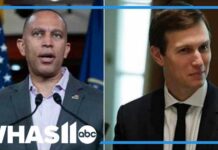
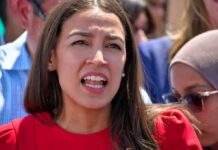
On a 2020 CNN NewsNight panel, former Obama official Nayyera Haq said Donald Trump created an “intimidating environment” for Muslim and Black Americans who wanted to vote. She grounded it in her own experience as a Muslim woman with a Black family and tied it to Trump’s primetime talk and tough terms about data and election security. The segment drew attention because it framed normal voter oversight efforts as fear tactics, without offering measured evidence of reduced turnout or blocked votes.
CNN coverage around the same time warned that Trump’s push for supporters to watch polling places could break laws and lead to intimidation. A legal expert noted poll watchers cannot question voters and should not interfere. The piece still said their presence “might” unsettle some people. That article relied on possibility and feelings rather than data. It did not show that Trump’s words or watchers actually stopped lawful voters from casting ballots in 2020.
Evidence Versus Speculation In Voter Intimidation Debates
Mediaite reported that another panel voice called Haq’s charge “wild speculation” because it assumed how millions felt. That critique hit the core issue: claims need facts. The 2020 cycle saw lawsuits and headlines, but examples often fell apart under scrutiny. Even CNN’s own historical look at the 2008 Black Panthers video found the story lacked data to prove a broad intimidation impact. Pattern, not proof, kept driving many of these narratives.
Actual courtroom tests carry more weight. In Colorado, civil and voting rights groups sued leaders of a door-to-door “election integrity” effort after 2020, claiming intimidation. A judge dismissed the case. The court ruled the conduct described did not meet the legal standard for intimidation. That decision cut against the idea that right-leaning citizen oversight is inherently threatening and showed how legal lines differ from media spin and social media heat.
What The Law Allows And Where Lines Are Drawn
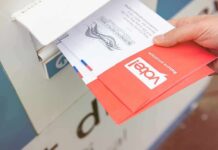
Federal law bans intimidation, threats, and coercion against any voter. States add their own rules and penalties. The standard focuses on actions that would scare a reasonable person away from voting, not on political speech alone. Lawful poll watching, when done by the rules, is permitted. Watching becomes unlawful only when someone confronts voters, blocks access, or makes threats. Claims based on feelings alone rarely meet this legal threshold in court.
Blue states have tightened rules since 2020. In 2026, California Governor Gavin Newsom signed measures to “further protect” elections from interference and intimidation. The package restricts certain law enforcement access and activity around voter data and the process. Supporters say it blocks bad behavior. Critics worry it burdens citizen oversight and centralizes power in state hands. The bills respond to fears, but they do not settle whether real, widespread intimidation existed in 2020.
How Conservatives Should Read These Claims In 2026
Conservatives want secure, open voting with rules that are clear and fair. Oversight is not a threat to rights; it protects them. Claims that Trump scared minorities away from the polls still lack turnout data or named, verified incidents directly linked to his words. Courts that weighed real cases have not found a sweeping pattern. Voters deserve facts, not labels. The answer is simple: follow the law, watch the process, and reject anyone who actually threatens a voter.
Media should report hard numbers and verified events, not only fears. Leaders should support lawful observers, clear rules, and strong penalties for real intimidation. Citizens should know their rights and document misconduct if it occurs. The Constitution protects both free speech and free elections. America can keep both. We do it by rejecting partisan smears, demanding proof, and insisting that every legal vote counts and every legal watcher follows the rules.
Sources:
mediaite.com, youtube.com, politico.com, campaignlegal.org