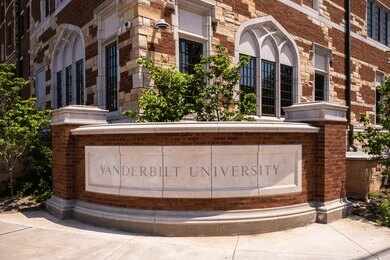
The Vanderbilt report on the humanities has turned a familiar campus debate into a fresh fight over whether scholarship still answers to evidence or politics.
Quick Take
- The report says scholarly standards have been distorted across the humanities and humanistic social sciences.
- It argues some fields now reward political approval over open inquiry and objectivity.
- Critics say the report misreads the humanities and ignores other causes, such as funding cuts.
- Faculty named in the report have publicly disputed its claims and methods.
What the report says
Vanderbilt University’s report says some humanities scholarship has shifted away from traditional standards and toward political tests. The authors write that work is increasingly judged by social or moral goals instead of by evidence, rigor, and objectivity. They also say every field they studied shows some signs of this problem, though they describe the overall picture as mixed.
The report’s strongest language focuses on extreme cases, especially anthropology. The authors say reasonable dissent on charged topics can be suppressed and punished, and they describe a toxic intellectual climate in those settings. In a recorded discussion, one author said the committee found “political or ideological considerations” replacing scholarly standards to varying degrees across the fields studied.
Why the report triggered backlash
Higher education critics have pushed back fast, especially in mainstream academic outlets. Inside Higher Ed reported that professors named in the report said it misrepresented their work. A Chronicle of Higher Education opinion piece argued the report repeats an old alarm about the humanities and treats social justice topics as proof of bias. That criticism matters because it attacks the report’s core method, not just its tone.
Other critics say the report leaves out bigger structural pressures inside universities. They point to funding cuts, adjunct labor, and other changes that can reshape scholarship without proving political capture. That is an important challenge because the report describes ideology as the main problem, while opponents say the cause is more complex. The result is a fight over whether the same facts point to bias or to institutional strain.
What this means for higher education
The dispute lands at a moment when trust in colleges is already shaky. The report gives skeptics of higher education a clear example to cite, while defenders see a broad attack on academic freedom and the humanities. The deeper issue is not just one report. It is whether universities can still defend open inquiry when scholars, administrators, and critics all believe the system is rewarding conformity.
Vanderbilt report on liberal bias in the humanities sparks outrage in higher education @WashTimes https://t.co/mel104AGST
— Sean Salai (@SeanSalai) July 1, 2026
That tension helps explain why the story spread so quickly beyond campus circles. The report’s authors say they found a real problem, but even they stop short of claiming every discipline is equally affected. Critics say that caution weakens the case. Supporters say it shows restraint. Either way, the fight reflects a wider public belief that elite institutions are too often shaped by internal politics instead of plain truth.
Sources:
washingtontimes.com, paulddf.substack.com, vanderbilt.edu, youtube.com, insidehighered.com, vanderbilthustler.com, hawaii.edu