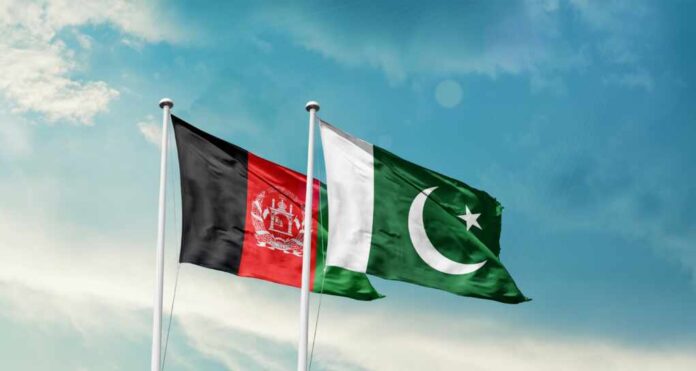
Following a period of intense cross-border hostilities, Afghanistan and Pakistan have reached a ceasefire agreement. The truce was mediated by Türkiye and Qatar and aims to de-escalate tensions that have led to significant casualties.
Story Highlights
Afghanistan and Pakistan have implemented a ceasefire after recent cross-border violence.
Türkiye and Qatar facilitated the agreement following reports of numerous casualties.
Both nations have exchanged accusations regarding the instigation of the conflict.
Border disputes and militant activities have increased since the Taliban’s return to power in Afghanistan.
Ceasefire Amid Cross-Border Turmoil
On October 19, 2025, Afghanistan and Pakistan formally agreed to a ceasefire, temporarily halting over a week of deadly cross-border clashes. The agreement was brokered through diplomatic efforts by Türkiye and Qatar. The conflict, which included airstrikes and ground assaults, resulted in multiple casualties and highlighted persistent tensions between the two neighboring countries.
The conflict reportedly began with Pakistan’s airstrikes in several Afghan cities, targeting the Pakistani Taliban (TTP) and specifically Noor Wali Mehsud. This action was followed by retaliatory attacks by the Afghan Taliban on Pakistani military posts, leading to an escalation of violence. The situation underscores ongoing issues of cross-border militancy and the stability challenges in the region.
Pakistan and Afghanistan agree to immediate ceasefire "to end prolonged tensions" during talks mediated by Qatar and Türkiye in Doha after days of deadly border clashes https://t.co/XQSsrAjgyk pic.twitter.com/AFLz94yFRX
— TRT World (@trtworld) October 18, 2025
Historical Tensions and Current Dynamics
The Afghanistan-Pakistan border, known as the Durand Line, has historically been a point of contention, characterized by disputes and allegations of sheltering hostile groups. The Taliban’s re-establishment of power in Afghanistan has reportedly intensified these dynamics, with Pakistan accusing Afghanistan of providing sanctuary to the TTP. Conversely, Afghanistan views Pakistan’s military actions as infringements on its sovereignty.
The region’s challenging terrain and porous border controls are cited as factors contributing to the persistence of militant activity. Previous attempts at peace have often been temporary, with diplomatic protests and border skirmishes failing to establish lasting resolutions.
Stakeholders and Potential Impacts
Key parties involved in this conflict include the governments of Afghanistan and Pakistan, the TTP, and the mediating nations of Türkiye and Qatar. Pakistan’s military objectives include eliminating TTP sanctuaries, while Afghanistan aims to uphold its sovereignty and counter perceived Pakistani incursions. The TTP continues to operate in the context of border instability, posing a threat to regional security.
The ceasefire offers immediate relief from violence, but underlying issues such as the TTP’s presence and border disputes remain. Long-term peace is understood to require addressing these core challenges, alongside increased diplomatic engagement from regional powers such as Türkiye and Qatar.
For civilians residing in border regions, this ceasefire provides a temporary reprieve from conflict-related hardships, including casualties, displacement, and property damage. However, the possibility of renewed violence persists if comprehensive political agreements are not reached, emphasizing the need for continued dialogue and confidence-building measures.
Watch the report: Afghanistan & Pakistan Agree To Immediate Ceasefire | Talks Held In Doha | News9
Sources:
Afghanistan, Pakistan agree to immediate ceasefire after talks in Doha | Conflict News | Al Jazeera
Taliban and Pakistan agree to ceasefire after days of deadly clashes
Türkiye’s Ministry of Foreign Affairs on the ceasefire