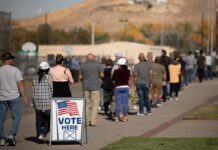

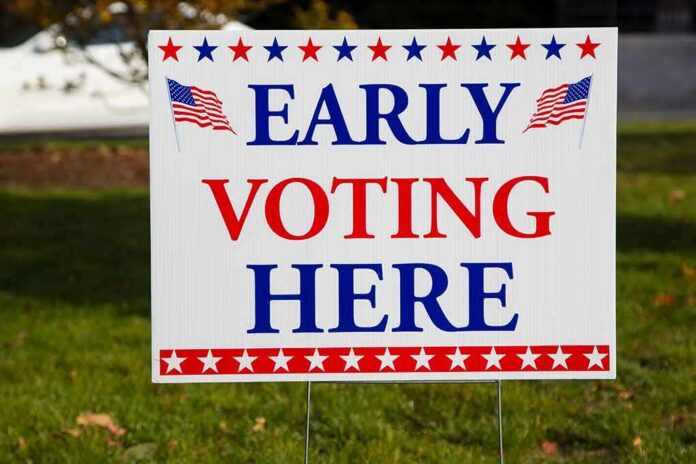
Voting is officially underway in parts of America, launching a six-week sprint that will decide control of Congress.
Story Snapshot
- Virginia opened in-person early voting on September 18, with no excuse required.
- Minnesota and South Dakota began in-person absentee options around the same date.
- Early voting starts the final six weeks before Election Day in several states.
- The outcome will shape which party runs Congress for the next two years.
Early Ballots Cast As The Midterm Clock Starts
Virginia opened in-person early voting on Friday, September 18, and will keep locations running through October 31, according to local reporting. The state allows voters to cast a ballot early without giving a special reason, which makes access broad and simple. Minnesota and South Dakota also offer voters a way to cast ballots in person as absentee voters starting around the same date, placing them among the earliest states to move from talk to votes in boxes.
National outlets framed this milestone as the start of the final six weeks before Americans settle control of Congress. Reports describe a sprint where both parties try to lock in votes early, target reliable supporters, and persuade late deciders before November. The calendar is now real, not theoretical, and campaigns must meet voters where they are voting, not only where they are rallying or watching ads.
What Voters Can Do Today In Early States
Virginia voters can walk into designated locations, show required identification, and vote in person well ahead of Election Day. Officials and local coverage stress that no excuse is needed and that hours and sites are listed by counties. That reduces work conflicts and long lines that many people face on a single Tuesday in November. The goal is clear access, not complicated rules, and it is already active across the commonwealth.
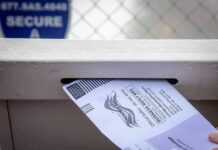
In Minnesota and South Dakota, voters can cast an absentee ballot in person at election offices starting in mid-September. The process differs in legal terms from early voting at a satellite polling place, but for the voter, the key thing is simple: you can show up now and cast a ballot before Election Day. State-by-state rules vary, so checking local guidance is wise to avoid missed steps or deadlines.
Why The Start Of Voting Matters Politically
The shift from speeches to ballots forces both parties to reset. Field teams now focus on getting known supporters to vote early, curing ballot issues quickly, and tracking who has already voted. Media coverage links this phase to the fight for the House and Senate, underscoring how every early ballot reduces the pool of persuadable voters left for late October tactics. The clock is not only ticking; votes are banking daily.
Early voting is underway in the 2026 midterm elections, beginning a final six-week sprint to Election Day as Republicans and Democrats battle for control of Congress with the economy and cost of living at the center of the campaign.https://t.co/qdEtppGyHh
— 7News DC (@7NewsDC) September 20, 2026
Experts and past research often warn that states use different labels for similar tools. Some call it “early voting,” others “in-person absentee,” and some expand mail options. The mechanics may differ, but the effect for many voters is the same: you can vote before Election Day. That variety is why clear local instructions matter. It also explains why news reports sometimes sound mixed when describing what started where and how.
How Early Access Fits Voter Frustrations
Many Americans think government is not working for regular people. Early access aims to make one civic duty simpler. Workers with long shifts, parents with tight schedules, and seniors who avoid crowds now have a wider window. While parties battle over big themes like inflation, border policy, and energy costs, the act of voting has become more flexible in several states. The promise is practical: more days, more ways, fewer hurdles to be heard.
What To Watch Next
Campaigns will trumpet favorable early vote anecdotes, but firm numbers usually come later and vary by state reporting rules. For now, the confirmed fact is straightforward: in Virginia and a few other states, people are voting. If you live in one of these states, make a plan, confirm your location and identification needs, and vote when it fits your life. If you live elsewhere, watch for your state’s start date and rules in the coming weeks.
Sources:
feedpress.me, aljazeera.com, local10.com, abc30.com, people.reed.edu