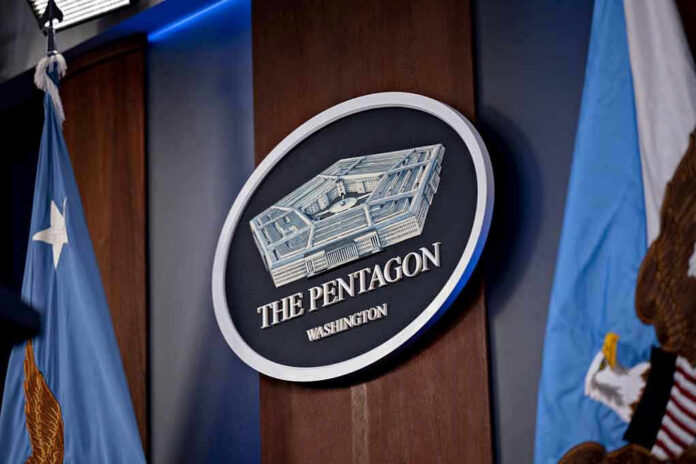
Polygraph tests reached the Pentagon’s top ranks after reports exposed classified details about U.S. weapons stockpiles, triggering a sweeping leak hunt and sharp political fallout.
Story Snapshot
- Several dozen senior military officials reportedly faced polygraphs in a leak probe.
- President Trump ordered new investigations into stockpile disclosures.
- Defense Secretary Pete Hegseth moved to review Senator Mark Kelly’s remarks; Kelly pushed back.
- Pentagon policy treats precise stockpile figures as classified while public trust erodes.
What Triggered The Leak Crackdown
Reports describing classified information about U.S. weapons stockpiles set off an urgent internal probe at the Pentagon, according to multiple outlets. Sources said some of the highest-ranking military officials were questioned and given polygraph tests as investigators tried to find who talked to the press. The disclosures arrived during active conflict with Iran, raising fears that public details on munitions levels could aid adversaries or pressure U.S. strategy. The Pentagon has not named a leaker and has kept internal steps largely private.
White House pressure amplified the effort. President Trump ordered new investigations into the stockpile stories after complaining the reports hurt the war effort and signaled weakness. Trump also argued the United States had “massive” stockpiles and warned that “treasonous” leakers would face long prison terms. The Biden-era lesson on overbroad access to secrets also loomed, as earlier reviews urged tighter controls to curb leaks and limit who sees sensitive data.
Inside The Polygraph Push And Its Limits
Sources said several dozen officials, including from major combatant commands, were polygraphed as part of the leak probe. Polygraphs are a familiar government tool, but they face reliability questions and are often barred from courtrooms. The Supreme Court upheld the military’s rule that polygraph results are not admissible in courts-martial, underscoring their limits as evidence. Even supporters admit lie detectors can chill speech without conclusively proving guilt, which feeds skepticism across the political spectrum.
History shows leak panics often expand into broad sweeps that do not pinpoint a culprit. Past Defense Department reviews found large leak hunts that consumed time, strained morale, and rarely produced clear prosecutions. That pattern fuels a shared public concern: Washington’s first move is to police itself with secrecy, not to level with citizens about capacity, risk, and plans. When the government withholds too much, people across the aisle suspect the “insiders” are protecting their power more than the public interest.
The Kelly Dispute And Conflicting Messages
Defense Secretary Pete Hegseth asked Pentagon lawyers to review whether Senator Mark Kelly disclosed classified information about depleted stockpiles. Kelly replied that he was citing Hegseth’s own public remarks under oath, not secrets from a closed briefing. Hegseth later called stories of a shortage a “manufactured” narrative, while major outlets stressed that precise stockpile figures remain classified for national security reasons. The clash highlighted inconsistent public messaging about readiness and secrecy.
New York Times: Investigation of approximately 50 members of the Joint Chiefs of Staff regarding leaks of information to the press about the Iran conflict.
The investigation of military personnel focuses on leaks of information about a decline in the military's stockpile of…
— Nancy Abdallah🇺🇸🇵🇸🇾🇪🇱🇧🇮🇷 (@NanceAbdallah) September 5, 2026
For many Americans, this looks like the same old Washington cycle. Leaders say “trust us,” but offer little proof. Media print leaks, then officials slam the door and hunt sources. Conservatives see a security risk and demand discipline. Liberals see power used to threaten whistleblowers and hide failures. Both sides see a system that punishes truth-tellers faster than it fixes problems. Clearer, verified updates on production, replenishment, and timelines would do more to restore trust than more gag orders.
What Matters Now For Security And Accountability
Policy should serve both safety and honesty. The Pentagon can protect exact numbers while still giving the public a steady picture of production goals, delivery schedules, and surge capacity. The administration can brief Congress and release regular, scrubbed updates that do not help enemies but do inform citizens. Investigations should follow law and evidence, not headlines. If no leaker is identified, leaders should explain what changed to reduce risk. Sunlight and steady output, not silence, win confidence.
Sources:
thegatewaypundit.com, cbsnews.com, theguardian.com, iranintl.com, ground.news, wsj.com, jpost.com, apnews.com, en.tempo.co, war.gov