Michigan’s Abdul El-Sayed is walking a tightrope between far-left allies and mainstream voters, and the record shows the balancing act is now a campaign issue.
Story Snapshot
- El-Sayed appeared with far-left influencer Hasan Piker, then moved to limit the fallout.
- He rejects the socialist label while backing policies favored by the left flank.
- Reuters found a key anti-El-Sayed claim about a 9/11 remark was misattributed.
- Endorsements from Alexandria Ocasio-Cortez and Bernie Sanders highlight the coalition tension.
What Set Off The Scramble In Michigan
Politico reported that Abdul El-Sayed stood with online host Hasan Piker during campaign stops and said Democrats should “embrace” him. El-Sayed also said he would not “disavow people’s views,” framing questions as a “gotcha game” about platform policing. That stance pleased some progressives but sparked wider pushback. The campaign later sought to contain damage as clips spread online and critics tied Piker’s most controversial remarks to El-Sayed himself.
As pressure built, El-Sayed’s team narrowed who could speak for the campaign. He said that nobody besides him and his spokespeople would do so. He added that the focus should return to “gas, groceries, good schools, and healthcare.” The shift signaled a tactical reset. It also showed how influence from high-profile allies can aid fundraising and turnout but can also distract from kitchen-table issues that decide statewide races.
Labels, Policies, And The Battle For The Middle
El-Sayed has said he is not a socialist and believes in regulated capitalism. He has also said he is not “technically or practically” part of the Democratic Socialists of America. At the same time, coverage describes him backing policies popular with the party’s left wing. That combination draws endorsements from the progressive bloc while raising doubts among moderates who want clarity on spending, energy, and public safety trade-offs.
The record shows a long public dance with socialist-adjacent spaces. Reports say El-Sayed attended events near that movement and once said he shares “a lot of ideals” with it, while declining the label. That invites charges of hedging from the right and from centrists. It also feeds a view on the left that candidates must soften identities to win purple states. This is not new. It echoes decades of fights over how parties sell ideas to swing voters.
What Is Proven, What Is Not
Reuters reviewed a viral claim about a 9/11 remark pinned to El-Sayed and found no evidence he said it. The fact-check separated Piker’s words from the candidate. That matters for fairness, but it does not erase the political cost of standing next to a lightning-rod figure. Voters often judge coalitions by the loudest voices in the room, even when campaigns deny sharing those views.
𝐒𝐓𝐑𝐄𝐀𝐌𝐄𝐑 𝐖𝐈𝐓𝐇 𝟐 𝐌𝐈𝐋𝐋𝐈𝐎𝐍 𝐅𝐎𝐋𝐋𝐎𝐖𝐄𝐑𝐒 𝐂𝐀𝐋𝐋𝐒 𝐀𝐌𝐄𝐑𝐈𝐂𝐀𝐍 𝐉𝐄𝐖𝐒 '𝐉𝐄𝐖𝐈𝐒𝐇 𝐈𝐒𝐈𝐒'—𝐃𝐄𝐌𝐒 𝐅𝐎𝐑𝐂𝐄 𝐄𝐋-𝐒𝐀𝐘𝐄𝐃 𝐓𝐎 𝐃𝐈𝐒𝐎𝐖𝐍 𝐇𝐈𝐌
Left-wing streamer Hasan Piker, who campaigned this year for Michigan Senate candidate Abdul… pic.twitter.com/tjPRtdX0pW
— M.A. Rothman (@MichaelARothman) August 27, 2026
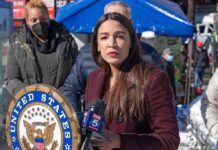
NBC News reported El-Sayed won the Democratic Senate primary in Michigan and that he was not endorsed by the Democratic Socialists of America. Yet lawmakers who identify as democratic socialists, including Representative Alexandria Ocasio-Cortez and Senator Bernie Sanders, campaigned for him. That mix shows why this story sticks. The endorsements excite a base that wants bigger change. They also confirm for skeptics that the candidate sits to the left of the state’s middle.
Why This Resonates Beyond One Race
Both parties use labels to rally their side and scare the other. “Socialist” has become a blunt tool in that fight. Research on political language shows the term shapes opinion even when the policy details are complex. That helps explain why Democrats debate distance from the label, and why Republicans press it hard. The cycle feeds public cynicism that brand work matters more than results on wages, prices, safety, and schools.
For many voters, the core worry is not left versus right. It is whether leaders are honest about what they believe and who influences them. When candidates appear to wink at one audience and reassure another, trust erodes. That distrust spans conservatives and liberals who feel elites in both parties protect their own. Clear stands, plain language, and proof of results are the only fixes. Anything less looks like spin in a hard year.
Sources:
politico.com, reuters.com, nypost.com, michiganadvance.com, nationalreview.com, foxnews.com, wfmd.com