
Los Angeles voters are being asked to trust a City Hall that critics say “edited for optics” after the worst fire in city history.
Story Snapshot
- A Los Angeles Times investigation reported that Mayor Karen Bass directed changes to the Palisades fire after-action report to reduce legal exposure and soften criticism of the city and LAFD.
- Bass and her office denied altering “material findings,” saying they only requested fact-checking tied to budget issues and forecasts.
- The controversy hinges on a fundamental dispute: unnamed sources say Bass personally pushed edits; Bass says she lacked technical expertise and did not rewrite the report.
- The Palisades fire response remains politically explosive because earlier reporting cited staffing and pre-deployment decisions that may have worsened outcomes.
What the Times Alleged About Edits to the Palisades Fire Report
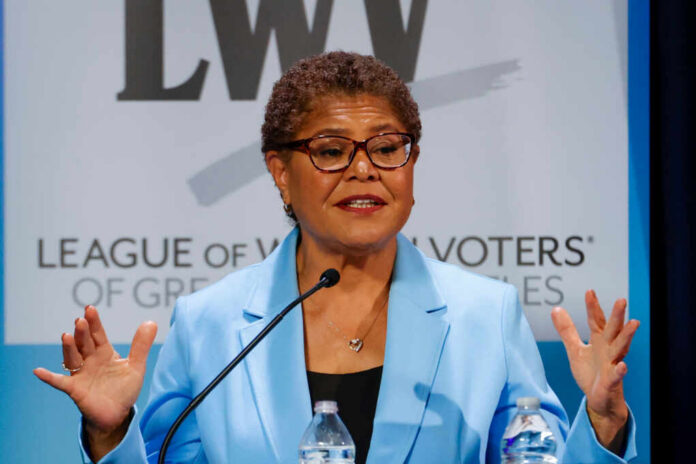
The Los Angeles Times reported in February 2026 that Mayor Karen Bass personally intervened in an after-action report reviewing the Palisades fire, described as the worst fire in Los Angeles city history. According to two sources with direct knowledge, Bass told then-interim Fire Chief Ronnie Villanueva that blunt findings could increase the city’s legal liability, and she requested that key conclusions about LAFD shortcomings be removed or softened before release.
The Times story framed the dispute around what changed between drafts, pointing to revisions that appeared to shift emphasis away from operational mistakes and toward language more favorable to the department. Residents and former LAFD chiefs cited in coverage criticized the final product as “watered down,” arguing that an after-action report is supposed to document failures plainly so leadership can fix them before the next emergency, not protect reputations.
Bass’ Denial and the City’s “Fact-Check” Defense
Mayor Bass’ office pushed back, denying that she ordered substantive rewrites and disputing the Times’ characterization of her involvement. A spokesperson said the mayor’s office asked LAFD to verify certain points, including claims involving city finances and wind forecasting, and stressed that Bass had publicly criticized the department’s performance. Bass also said she only urged the department to consult city budget leadership on funding issues, describing herself as unqualified to alter a technical fire report.
That defense matters because it draws a bright line between correcting errors and controlling conclusions. If edits were limited to accuracy checks, the public still deserves a clear accounting of what was corrected and why. If edits reached judgments about whether decisions aligned with policy or best practice, skeptics argue the report stops functioning as an independent accountability document and starts looking like a political document crafted to reduce blowback.
Why This Fight Started: Staffing, Pre-Deployment, and Public Trust
The after-action report became so contentious because the Palisades fire followed earlier revelations about preparedness decisions. Post-fire reporting described critical failures, including decisions not to fully staff up and pre-deploy resources ahead of dangerous winds. One account cited roughly 1,000 firefighters who could have been on duty but were sent home, raising questions about command decisions when conditions were high risk. Those claims fueled anger among residents who expected maximum readiness.
Mayor Bass removed Fire Chief Kristin Crowley in February 2025, citing failure to maintain adequate staffing for a second shift. Crowley later filed a legal claim against Bass alleging defamation and retaliation, adding another legal and political layer to what should have been a straightforward lesson-learned process. With lawsuits and claims in the background, every word in an official report can look like a trial exhibit, which is exactly why transparency standards matter.
Political Fallout and the Limits of What’s Confirmed So Far
The new allegations created immediate political turbulence. Coverage noted that the controversy prompted Rick Caruso to reconsider a run against Bass, underscoring how public safety failures can reorder local politics quickly. Bass also directed that an independent investigation be commissioned into aspects of LAFD’s handling of another fire incident, reflecting how leadership often responds when confidence in internal reviews gets shaky and the public demands outside scrutiny.
The available reporting still leaves key facts unresolved. The Times relied on unnamed sources who said they were prepared to testify under oath, while the mayor’s office issued categorical denials. Other outlets largely repeated those two positions rather than independently verifying who authored which edits. That means readers can responsibly conclude the report went through significant revision and that there is a serious credibility dispute, but not definitively settle intent without investigative findings or sworn testimony.
From a constitutional, limited-government perspective, the core issue is not partisan theater; it is whether government can be trusted to tell the truth after a failure that cost people homes and safety. After-action reports exist to protect the public, not the institution. When leadership appears to manage language to avoid liability or embarrassment, the public’s ability to hold officials accountable weakens, and the next crisis gets harder because trust, once spent, is difficult to rebuild.
Sources:
Bass directed watering down of Palisades fire after-action report, sources say
City of Los Angeles City Clerk document (25-0212_PC_M_03-02-2025.pdf)